

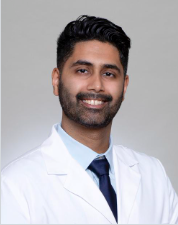
By Hamid Jafri, MD, Internal Medicine, Norwalk Hospital, part of Northwell Health
WESTPORT–Whether you commit to Dry January or simply cut back on alcohol consumption, choosing more mindful habits is a powerful form of self-care.
As the holiday lights come down on Main Street and the festive bustle along Riverside Avenue quiets, many Westport residents start looking for ways to reset their habits for the new year. After weeks of champagne toasts, eggnog and busy holiday gatherings, your body may be asking for a break from alcohol.
That’s where Dry January comes in. The global movement encourages people to pause alcohol for the month to start the new year feeling refreshed, energized and clear-minded. Dry January–even if you get a late start–is an opportunity to check in with yourself, reflect on habits and refocus on your overall health and well-being.
Whether you’re sober-curious or hoping to feel better during your winter walks along Compo Beach, taking a break from alcohol can lead to meaningful changes for both your body and mind.
What changes can you expect when you stop drinking alcohol during Dry January?
Once you swap your wine glass for sparkling water, your body begins to respond quickly. Here’s what you can expect over the course of a month:
The first few days without alcohol
Within the first 24 to 48 hours, your body begins a natural detox process. Some people feel a bit irritable or notice stronger sugar cravings, but blood sugar levels often begin to stabilize. Alcohol is high in empty calories and sugar, so stepping away from it can help steady energy levels throughout the day.
Hydration improves quickly as well because alcohol causes your body to lose fluids. Skipping alcohol often leads to fewer headaches and a noticeable boost in physical energy.
Related Nuvance Health content: Alcoholic vs. non-alcoholic beverages for healthier celebrations
One week without alcohol
After about a week, many people seem to have better sleep and improved focus. Your skin may appear brighter and less puffy as inflammation decreases. Alcohol can widen blood vessels and contribute to facial redness and bloating. Without it, skin often looks calmer and more refreshed.
Four weeks and beyond without alcohol
By the end of the month, the benefits of not drinking alcohol will be more pronounced. Your liver, which works hard to process alcohol, finally gets a break. Improvements in blood pressure and cholesterol are also common, supporting long-term heart health.
Weight changes are another noticeable perk. With a typical glass of wine or beer containing 120 to 150 calories, skipping just two drinks a night can add up to more than 4,000 fewer calories in a month, not including late-night snacking that often follows drinking.
While long-term changes take time, many people notice benefits within just a few days.
Related Nuvance Health content: How drinking alcohol affects your cancer risk
What does alcohol really do to your sleep?
Many people believe a nightcap helps them sleep, but alcohol is actually one of the most common sleep disruptors.
Alcohol interferes with sleep cycles, especially REM sleep, the stage that supports memory, emotional processing and mental clarity. While drinking may help you fall asleep faster, as alcohol wears off it often causes nighttime awakenings. That familiar middle-of-the-night restlessness or anxiety is a common rebound effect.
When alcohol is removed, your body can move naturally through each sleep stage. It may take a few nights to adjust, but the result is deeper, more restorative sleep and mornings that feel clearer and more energized.
Related Nuvance Health content: How to stop snoring: A comprehensive guide to better sleep
What are common alcohol withdrawal symptoms?
If alcohol is part of your daily routine, your body needs time to adjust when you stop. For many moderate drinkers, symptoms are mild and temporary.
You may notice these changes when you stop drinking during Dry January:
- Feeling anxious or on edge
- Headaches
- Trouble falling asleep
- Fatigue
- Mild shakiness or jitters
These symptoms often peak within the first few days and gradually fade. However, if you have been drinking heavily or daily for a long time, withdrawal can be more intense. Severe tremors, confusion, rapid heartbeat or hallucinations are warning signs that require immediate medical attention. Talking with your primary care provider before making changes can provide guidance and peace of mind.
Find a Nuvance Health primary care provider near me
How to make Dry January work in Westport
Dry January feels far more enjoyable when you replace old habits with new ones you look forward to, and Westport offers plenty of options.
Trade happy hour for a power hour
Instead of meeting friends for drinks, plan a walk or hike at Sherwood Island State Park. Winter views of the Long Island Sound and fresh air provide a natural energy boost. On colder days, a cycle class or yoga at the Westport Weston Family YMCA offers an endorphin lift that lasts far longer than a cocktail.
Explore new hobbies and interests in Westport
Boredom can be a common trigger for drinking, so filling your schedule with engaging activities helps maintain momentum. The Westport Library hosts various classes, workshops and community events throughout the winter. A visit to MoCA Westport can spark creativity and offer a mood boost that does not fade by morning.
Enjoy Westport’s restaurant scene without the alcohol
Skipping alcohol does not mean skipping social time. Many restaurants in Saugatuck and along Post Road serve mocktails made with fresh herbs, citrus and house-made mixers. Sparkling water with lime or a virgin mojito lets you join in without straying from your goals.
How to cut back on alcohol
If quitting entirely is not your goal, or if you are thinking about life after Dry January, small changes can still make a big difference.
- Track your drinks using a journal or phone app to increase awareness.
- Plan alcohol-free days so skipping drinks becomes part of your routine.
- Keep alcohol out of the house to reduce temptation.
- Write down the benefits you notice, such as better sleep or more energy, and revisit them when alcohol cravings pop up.
The bottom line: Whether this month becomes a reset or the start of building healthier habits, every alcohol-free day is a step toward feeling better in your body and more present in your life. Let Westport’s scenic spaces, creative energy and strong sense of community inspire you to see just how good this year can feel.
Dr. Hamid Jafri is a committed internal medicine physician who emphasizes preventative care through a patient-centered approach. He prioritizes empathetic listening, shared decision-making, and building strong collaborative relationships with patients of all ages. Dr. Jafri specializes in managing diabetes, hypertension and obesity. He stresses the importance of healthy lifestyle practices for both prevention and treatment, and believes in empowering patients to actively participate in their healthcare by developing achievable and meaningful care plans together.
Nuvance Health, now part of Northwell Health, has sponsored this content for Westport Journal. Nuvance Health is a system of nonprofit hospitals, medical practices and outpatient healthcare services throughout the Hudson Valley and western Connecticut, including nearby Norwalk Hospital. Visit nuvancehealth.org for more information.






Recent Comments