
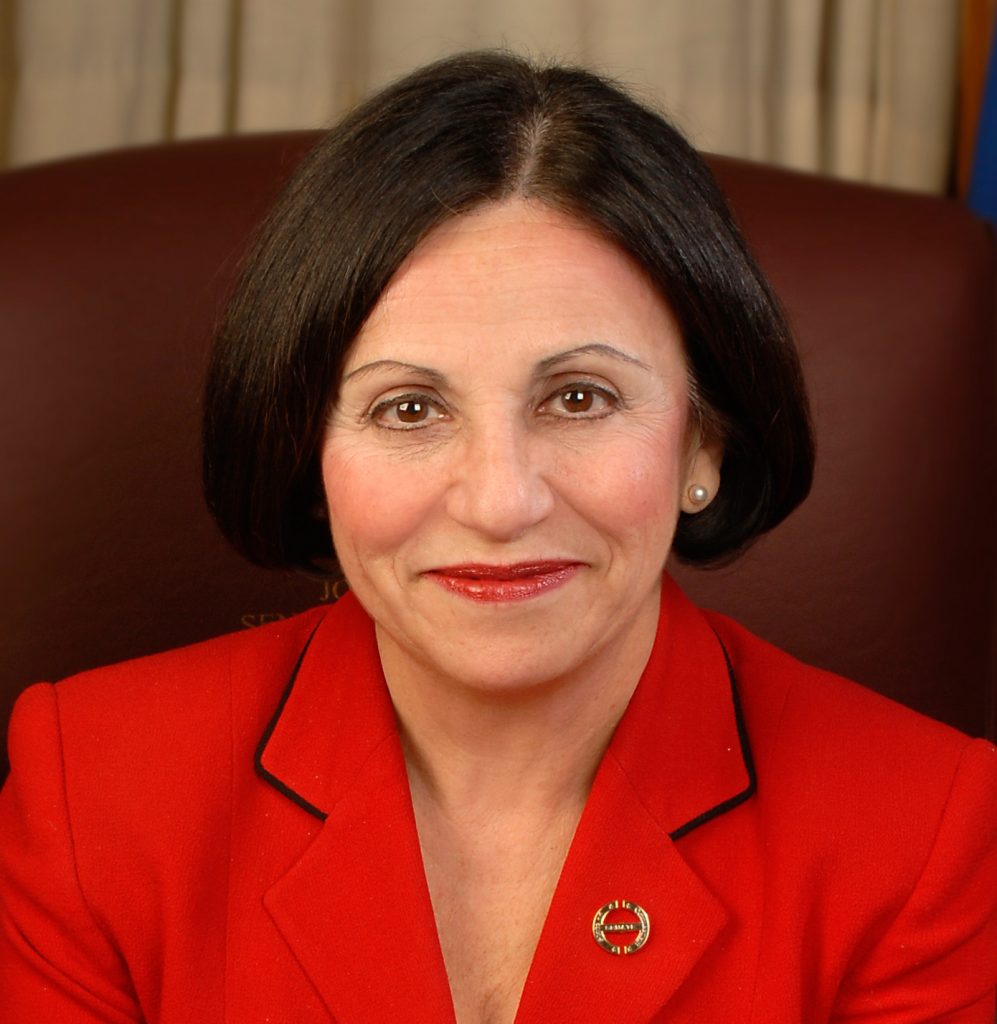
Candidates running in the Nov. 8 elections were asked by the Westport Journal to provide information for readers about their background and position on several major issues.
____________________
I have served as a Board of Education chairman; on the Board of Selectman; on the State Board of Education and State Board of Education for Vo-Tech Schools. I later served as an assistant minority Leader in the Connecticut House and a chief deputy minority leader in the state Senate as well as a leader of the Education and Children’s Committees. As a result of my work for education quality and equity for children, I was proud to be named a children’s champion seven times by the Connecticut Early Childhood Alliance. I have also been a leader in Fortune 50 companies and a major investment firm where I co-authored a white paper on Ethics and Nonprofits and founded small businesses in Norwalk and Wilton. I have an UConn MBA and working with its business school to create an entrepreneurship department. I have held Series 7, 63 and 31 investment licenses. This private business background gives me a real understanding of what it takes to start a business and create jobs. Working across party lines and respecting your colleagues are the best way to achieve our goals and why I am a facilitator for the National Institute for Civil Discourse.
AFFORDABLE HOUSING: What is the obligation of the communities you seek to represent to provide affordable housing? If you agree more needs to be done, what is the best way to accomplish that goal? Would repeal of the 8-30g law help or hinder those efforts?
Zoning decisions are best made on a local level by local planning and zoning commissions with community input. We need to reform 8-30g instead of expanding it by mandating state control of housing within a half-a-mile radius of any train station. Hartford also wants the state to have oversight over local town housing authorities by extending city housing authorities control over adjacent small towns and regionalized P&Z functions.
We need to protect local control in all areas of municipal governance, ensuring local property taxpayers have the loudest, most influential voice on issues that affect their community. This can accomplished by a town own design for affordable housing plans that fit within their communities’ ability to provide services, water utilities transportation and traffic mitigation.
Legislation that solidifies the ability of municipalities to govern themselves without undue state interference should include:
• Remove existing state-imposed barriers to voluntary regional shared services.
• Take a more honest approach to affordable housing by including existing properties that meet income-based affordability standards, and eliminate the requirement for deed restrictions for owner occupied affordable housing which restricts the ability to create home equity.
TAXES: The state has amassed record surpluses in the last few years. What are your priorities for state finances — cut taxes, fund new programs or pay down long-term debt?
Connecticut has the second highest taxes in the U.S. In 2017, the State Senate was tied. This allowed both sides to have an equal say in the budget process. As a result, Republicans were finally able to pass a spending cap, a bonding cap, and a volatility cap to ensure the state properly manages its finances. The result was a record-breaking budget reserve fund and historic contributions to pay down state debt.
New taxes are taking effect that will place a 23 percent increase to the diesel tax, plus a new truck further driving up the prices of goods, groceries, and services. Instead of new taxes, we must provide relief including:
• Cut the income tax from 5 percent to 4 percent for families making less than $175,000 a year and index state income tax brackets.
• Repeal the highway use tax on trucks that starts in January. This new tax passed by the Democrats in 2021 will drive up the costs of food, consumer products and services.
• Increase the property tax credit that can be claimed for real estate and motor vehicles from $300 to $500 to all families filing state income taxes.
• Reduce the sales tax and eliminate the 1% meals tax.
TRAFFIC/TRANSPORTATION: Traffic on state highways through the region, as well as local roads, continues to grow more congested. At the same time, ridership levels on public transit alternatives, such as Metro-North Railroad and buses, have yet to recover from losses during the height of the COVID-19 pandemic. What do you suggest to help alleviate these problems, which have a negative impact on everyday life and the region’s prosperity?
To grow the economy and improve quality of life in Connecticut we must develop a short-term plan for roads rails, bridges, ports and electric grid and cell service and a long-term strategic transportation plan that meets the needs of our businesses.
• No tolls or more gas taxes or fees by prohibiting raids on funds and prioritizing transportation projects- modernize rails.
• Reduce administrative costs as they are 6-9 times greater than the national average.
• Greater state share of mass transit ticket prices to reduce fare and get people on rails and off the roads.
• Speed up and upgrade the trains — commute too long — add more trips into cities.
• Develop a plan for light rail — rapid transit, monorail on Branch lines?
• Renegotiate Metro North contract with a voting member from CT.
• Expand rail parking.
• Improve I-95 and I-84 flow by widening lanes and exits.
• Expand ports.
• Freight on rails.
• Advance alternative fuel vehicles
• Modernize the electric grid and cell service.
PUBLIC HEALTH: In the aftermath of the COVID-19 pandemic, what measures might better prepare the state to mitigate the impact of a similar public health emergency in the future, particularly in critical areas such as education and employment?
Connecticut and the world were caught unprepared by the pandemic. It devastated and disrupted our way of life. But we learned a great deal and now can put a plan in place for the next one. Government, business and education were changed in dramatic ways as travel, business, schools shut down and then all went online. Parents, teachers and students were hard hit hard and suffered an enormous emotional toll that needs to be addressed. The adjustments and adaptations made need to be included in coordinated emergency response plans at the state and local level. These plans need to be stressed tested for the crisis to come. Trillions of dollars were allocated that were not adequately monitored or accounted for. Technology needs to be developed to enable sound decision-making and afford appropriate oversight and accountability. Better legal, regulatory and policy frameworks and enforcement measures, including transparent and effective emergency response plans need to be put in place. The state should make sure there is coordination across municipalities and regions to help minimize disjointed responses and competition for resources.
Taking lessons learned from this painful experience, a well-designed and funded emergency response plan will allow Connecticut to be better positioned when the next one strikes
ETC.: Are there any specific issues on which you particularly plan to focus if elected?
Yes, Connecticut is unaffordable. At the same time, Hartford approved a new tax on trucks that deliver groceries, home heating oil, and other necessities to residents across the state, which now threatens to further raise prices on goods and services. They added an additional 1 percent tax on restaurant meals on top of the 6.35 percent sales tax and even grocery store prepared foods.
I would oppose mandatory school regionalization. This should be voluntary. Decisions should be made locally and with the involvement of parents. We should also invest in the preparation and retention of teachers.
Zoning decisions are best made on a local level by local planning and zoning commissions with community input. I would protect local control of our homes and our property rights. We need to reform 8-30G instead of expanding it.
We need to make Connecticut’s communities safer. Our number one responsibility as elected leaders is to keep our people and communities safe. I will continue to work to strengthen our criminal justice laws, and to give law enforcement the tools they need to keep families safe while supporting our at-risk young people through intervention and programs to set them on the right path in life.






Recent Comments