
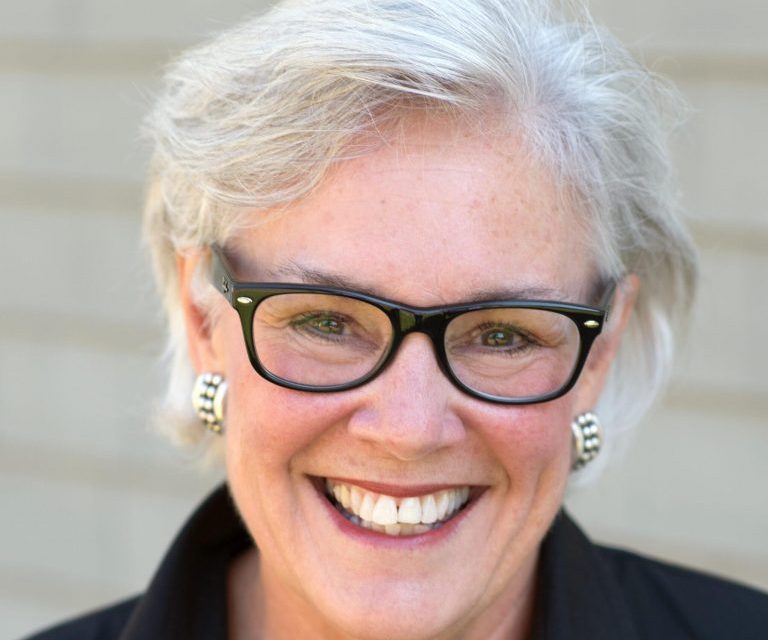
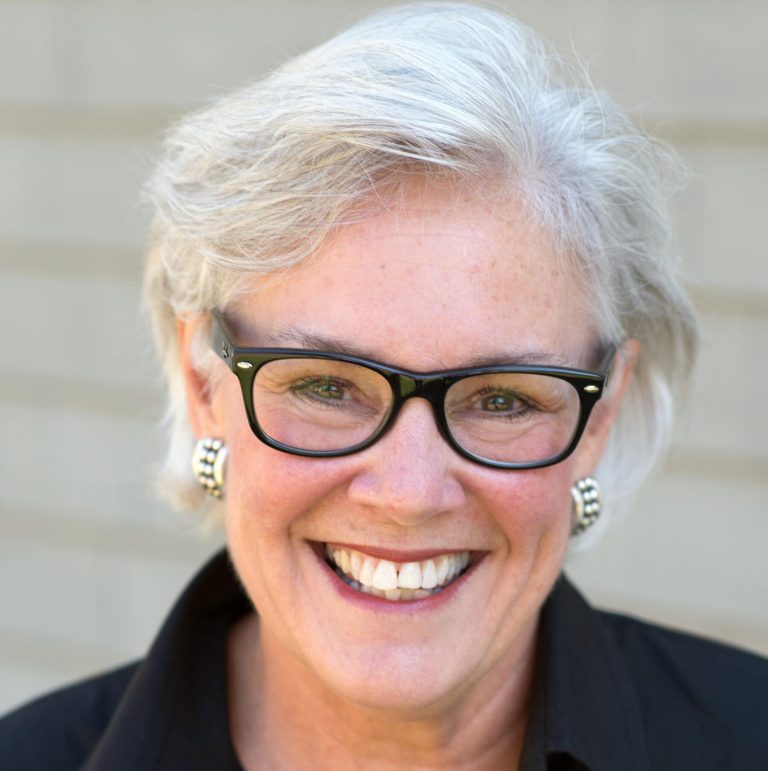
Candidates running in the Nov. 8 elections were asked by the Westport Journal to provide information for readers about their background and position on several major issues.
____________________
I grew up in Stamford and have worked in Darien, Stamford, Norwalk, and New Canaan. I have a BS in Fashion Marketing, and traveled internationally as a buyer for Lord & Taylor. I was the chairperson of Minks to Sinks, the president of the Junior League of Stamford-Norwalk, and have a master’s degree in Social Work from Columbia University. I was the first executive director of the Horizons National Student Enrichment Program, providing children access to education, CEO of Person-to-Person, serving 25,000 people a year in Fairfield County with food, clothing, and financial assistance, and interim executive director of Sandy Hook Promise Foundation, creating safe classrooms and preventing gun violence. I’ve served on the Wilton Board of Finance, on the board of the Wilton Library, Wilton ABC, and Norwalk ACTS, on the advisory board of Stamford’s Children’s Learning Center and Circle of Care. I’ve lived in Wilton since 1988, and my husband and I raised our three children here. I trained at Stanford University’s Social Innovation Nonprofit Management Institute, at Harvard Business School’s Executive Education and at the Campaign School at Yale.
AFFORDABLE HOUSING: What is the obligation of the communities you seek to represent to provide affordable housing? If you agree more needs to be done, what is the best way to accomplish that goal? Would repeal of the 8-30g law help or hinder those efforts?
When it comes to affordable housing, there’s no easy or short answer. Anyone who tells you they can repeal 8-30g without any viable replacement is either misleading you or misinformed. Abruptly reversing local zoning laws that have been in place for over thirty years will lead to chaos and confusion, not better outcomes for our towns and communities. I believe we need to take a collaborative approach that brings together state and local governments to create smart solutions that diversify housing and make sense for municipalities.Strong economic growth is supported by housing opportunities for Connecticut residents. We need to look at how we can help towns plan for a future that allows for business development, creating a stronger economy in the process. Whether it’s college graduates or older adults, we must provide housing diversity for the people who want to return or remain in our state.
TAXES: The state has amassed record surpluses in the last few years. What are your priorities for state finances — cut taxes, fund new programs or pay down long-term debt?
Four years ago, our state faced a chronic fiscal crisis with persistent budget deficits and crippling tax increases. This was the result of legislators kicking the can down the road for years, not developing concrete plans to deal with the problem. Case in point: The 2017 Republican developed budget proposed significant cuts to higher education funding, gutted education for our children, and also deferred pension payments. The budget did all of this while raising taxes on middle-class families.
Four years later, we find our state in a completely different position, one of strength and tremendous opportunity. Thanks to steady, forward-thinking Democratic leadership, Connecticut has weathered the storm and come out better — a $4.3-billion surplus, $3.3 billion rainy day fund, a $5.4 billion payment toward the state’s unfunded pension liabilities, and the largest tax reduction in Connecticut’s history. The results: We’ve freed up more than $420 million for critical investments in childcare, education, infrastructure, and healthcare.
How do we build on the progress? For starters, we have to look forward, not back.
Our leaders must meet today’s challenges while having the vision and know-how to prepare (and eliminate to the extent possible) those of tomorrow. Throughout my career, from my experience as Executive Director of Person-to-Person to my work with Sandy Hook Promise, I know what it takes to deliver concrete results that benefit everyday people, all within fiscally responsible budgets. I’ll bring the same skill set to Hartford, ensuring we plan ahead, keeping costs under control, and investing thoughtfully in our state’s future. We can’t afford to elect the same representative we had for decades and expect different results. Look at what we’ve accomplished in four years with new voices and better, stronger, bolder leadership.
On Nov. 8, we have the choice to keep our state moving or once again return to the days of old. Let’s choose a brighter future for us all.
TRAFFIC/TRANSPORTATION: Traffic on state highways through the region, as well as local roads, continues to grow more congested. At the same time, ridership levels on public transit alternatives, such as Metro-North Railroad and buses, have yet to recover from losses during the height of the COVID-19 pandemic. What do you suggest to help alleviate these problems, which have a negative impact on everyday life and the region’s prosperity?
It’s time for Connecticut to move beyond bemoaning our aging infrastructure and take meaningful steps to address it. Planning for a 21st-century economy requires making smart, bold investments in green infrastructure, creating good-paying jobs, and helping people travel safely, efficiently, and more affordably. I’ve called the 26th District home for as long as I can remember; my father, and I both commuted into NYC for work and I’ve seen first-hand how our trains have become slower in the past 40 years, not faster. We cannot in good faith encourage public transportation, particularly in the aftermath of the pandemic, while asking Connecticut residents to use unreliable, inefficient service. The New Haven-Grand Central line is a crucial economic corridor for our state and we cannot afford to simply promise major improvements. We must act.
Our roads and bridges no longer meet the needs of our communities, resulting in increased traffic congestion. Connecticut drivers experience 81 million hours of delay per year while stuck in traffic, costing residents and businesses$1.9 billion per year. We need a clear vision for our infrastructure and I’m determined to fix it, while also reducing the 38% of carbon emissions that come from the transportation sector. I’ll partner with federal, state, and local leaders to improve and expand recreational trails, bikeways, greenways, and pedestrian walkways.
But that’s not all. Looking forward, we can’t just talk about traditional infrastructure; we need to invest in areas that will meet the needs of the future. I’ll work to increase broadband internet access. More than 20% of Connecticut residents lack affordable, high-quality internet. That’s not just an inconvenience; it prevents people from accessing education, job opportunities, and healthcare services.
The pandemic has taught us some harsh lessons; one being that we must end the habit of legislating exclusively for the present. Instead, let’s plan responsibly for the future. My opponent had years to address these issues — change was promised but never achieved. I’ll deliver.
PUBLIC HEALTH: In the aftermath of the COVID-19 pandemic, what measures might better prepare the state to mitigate the impact of a similar public health emergency in the future, particularly in critical areas such as education and employment?
COVID-19 is the latest example of how infectious diseases can devastate communities across the nation and around the world. Tragically, we’ve lost millions of people to the pandemic — parents, children, friends, and neighbors, as well as those for whom the pandemic was unmanageable and lost their lives to addiction. Too many families will sit across from an empty chair that was occupied not all that long ago. In addition to the heartbreaking human toll, COVID-19 has impacted our society in other, far-reaching ways. Despite federal, state, and local governments coming together to introduce historic recovery programs and initiatives, we’ve endured significant economic losses, and our children have suffered educational setbacks and an unprecedented mental health crisis.
To protect Connecticut residents against potential disease outbreaks and pandemics in the future, we must act boldly and urgently to address the lessons from the COVID-19 response. On a larger scale, it’s clear that we must recruit, train, and sustain a robust pool of essential healthcare workers, emergency responders, and epidemiologists. In addition, we need to strengthen and modernize our healthcare infrastructure at every level to ensure outbreaks can be contained and controlled effectively. We’ve all witnessed the importance of strong, clear communication between all levels of government and residents. Working with our federal delegation and local officials, Connecticut must develop a short and long-term response and recovery plan so that we’re as prepared as possible for a future pandemic. At a more macro level, we should build on Governor Lamont’s efforts to upgrade heating, ventilation and air conditioning systems in Connecticut public schools.
Whether it was experiencing the passing of a family member or friend, witnessing a worsening household financial situation or suffering from a lack of social opportunities, young people have suffered unimaginable social-emotional trauma.
That’s why we must invest in mental health services, modernize the way it’s conducted, and work to end stigmatization. We should recruit more social workers, school psychiatrists, and other student-support staff. I held a roundtable on the youth mental health crisis a few weeks ago and plan to hold similar forums with parents, students, educators, and other stakeholders to ensure our response adequately meets the moment and builds for the future.
With respect to the economy, the state can do a few things right now that will pay enormous dividends if — and when — the next pandemic hits. We should increase broadband internet access so that no one has to worry about accessing their work remotely. We should build public-private partnerships with ReadyCT to train a new generation of workers for the digital age and collaborate with business, particularly those specializing in healthcare, advanced manufacturing, biotech, and fintech.
Finally, we should invest in quality, affordable child care because parents should be able to work, knowing their children are well cared for and thriving. It’s simple: failing to plan is planning to fail. I’m committed to leaving nothing on the table so we ensure our state is prepared for a future pandemic.
ETC.: Are there any specific issues on which you particularly plan to focus if elected?
Over the past four years, Connecticut enacted strong, common sense gun regulations. From requiring the safe storage of firearms to modernizing Red Flag laws, these policies have saved lives and prevent future tragedies. There is still much more work to do. Every day I’m at people’s doors, talking to moms and dads who tell me they wake up worried. In 2019, Connecticut saw 181 firearm deaths.
That’s 181 too many. Gun violence costs Connecticut $1.2 billion every year. We must go further, banning the bulk purchase of firearms and resisting lawsuits against Connecticut’s gun laws. I’m proud to have received the endorsement of CTAgainst Gun Violence and the Moms Demand Action Gun Sense Candidate distinction. My opponent’s record speaks volumes, including allowing firearms in some state parks (HB 5539) and deregulating ammunition (SB 118). As the former Executive Director of Sandy Hook Promise, I’ve put gun violence prevention at the forefront of my platform.
Connecticut has some of the best public schools in the nation, from K-12 education to colleges and universities. That’s not just an observation; I’m a proud graduate of Stamford High School. I know first-hand that there’s nothing more important than making sure we provide students with a high-quality education to help them prepare for future success.
As Executive Director of the Horizons National Student Enrichment Program, I worked tirelessly to help underserved students thrive by providing access to education and enrichment in the summer months. At Person-to-Person I made certain that young students attended summer camps to extend their learning and continue to develop social skills and language acquisition. And I developed a mentoring program to decrease college debt and increase on-time college graduation rates, with a diploma and a job at the end of four years. At Sandy Hook Promise we worked to keep classrooms safe so children could focus on learning in the classroom. As a volunteer I provided counseling and support to high school students in the Wilton A Better Chance (ABC) program, discussing the hurdles and successes of students in the classroom and the community.
As state senator, I’ll use these experiences to support our schools, teachers, and children. By ensuring every Connecticut student has a first-class education, we’ll build a better, stronger next generation. By 2025, 75 percent of jobs will require education beyond a high school diploma. That’s why we can’t afford to kick the can down the road as was done for so many years. Instead, we need to plan ahead. While my opponent supported a budget that would have made significant cuts to higher education, I’ll invest in colleges and universities and expand workforce training. We need to ensure our state is a great place to stay after graduation, to start a career, build a small business, or grow a family. By helping students at every age, we help create a future where Connecticut residents will want to live and thrive; we will all benefit.






Recent Comments