
By Ken Valenti
WESTPORT–The Westport Museum for History & Culture issued an urgent cry for support today, seeking $750,000 in donations by January 2027. Museum leaders announced that they have only enough money to last through the end of this year.
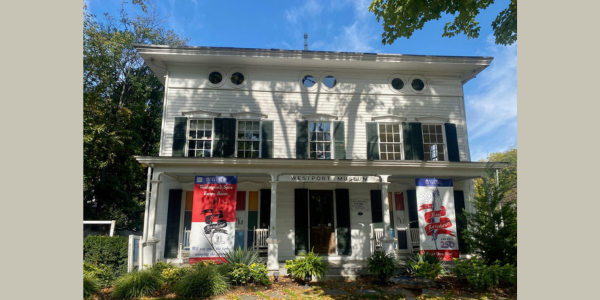
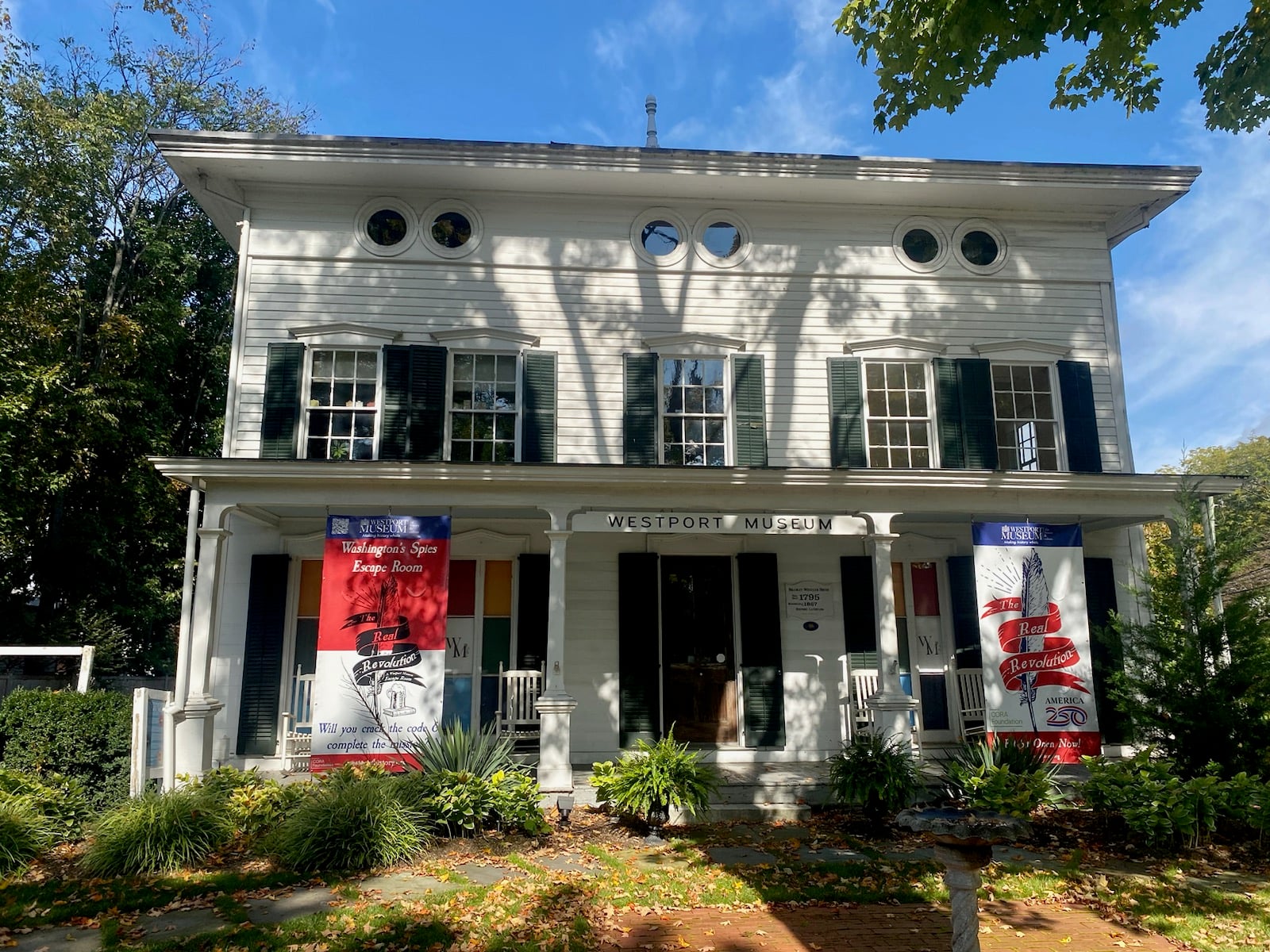
Failing to raise the funds they seek would force museum leaders to take drastic measures, which could include selling the 230-year-old Bradley Wheeler House that houses the museum at 25 Avery Place, across Myrtle Avenue from Westport Town Hall.
“I think one of our greatest challenges has been that people understandably assume we are a town-funded institution,” said Executive Director Ramin Ganeshram, who has led the Museum since 2018. “Every exhibition we mount, every artifact and document we preserve, every student we train and every program we offer has to be supported by money we raise ourselves.”
For the past two years, the museum has tried “increasingly serious measures” to preserve its exhibitions, programs, collections and archives, including opening to the public for fewer hours and reducing staff, the announcement said.
“Those measures are no longer enough,” the announcement said.
With expenses reduced by those steps, the museum costs $400,000 to run each year, including $150,000 to maintain and operate the property, the museum said.
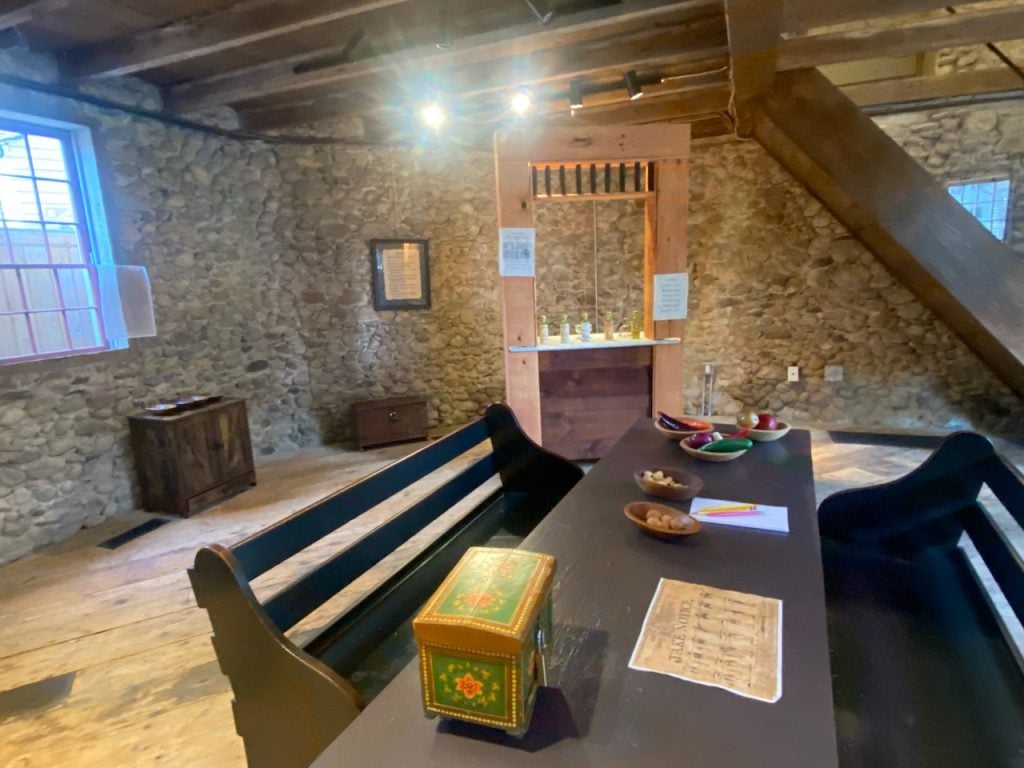
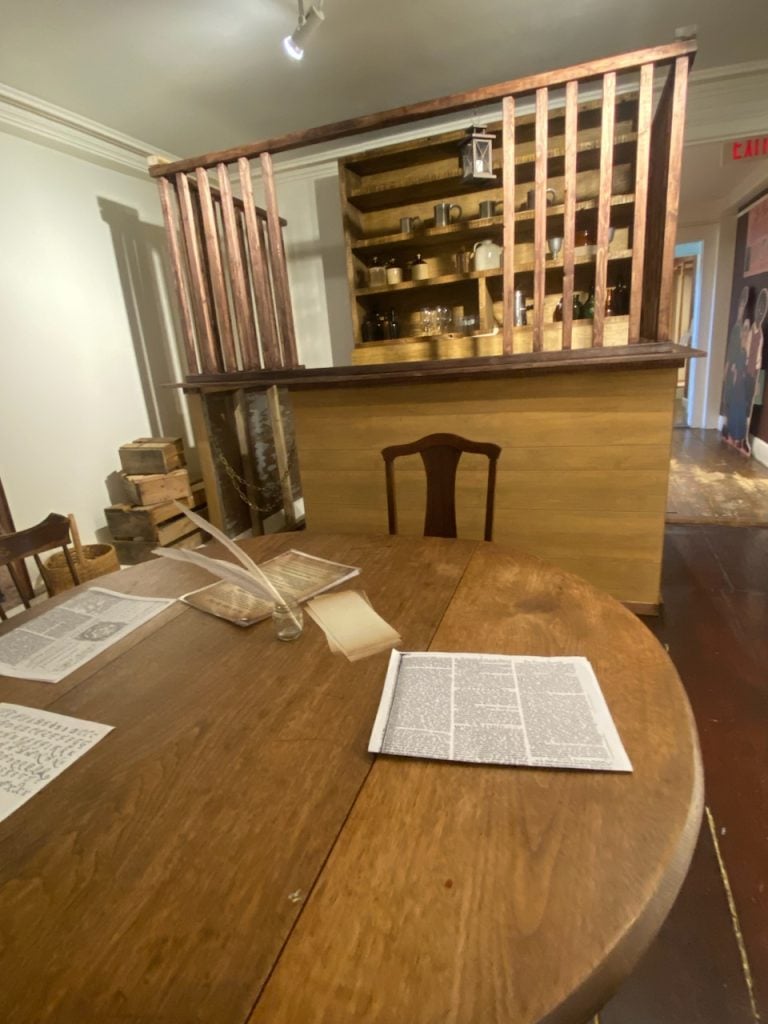
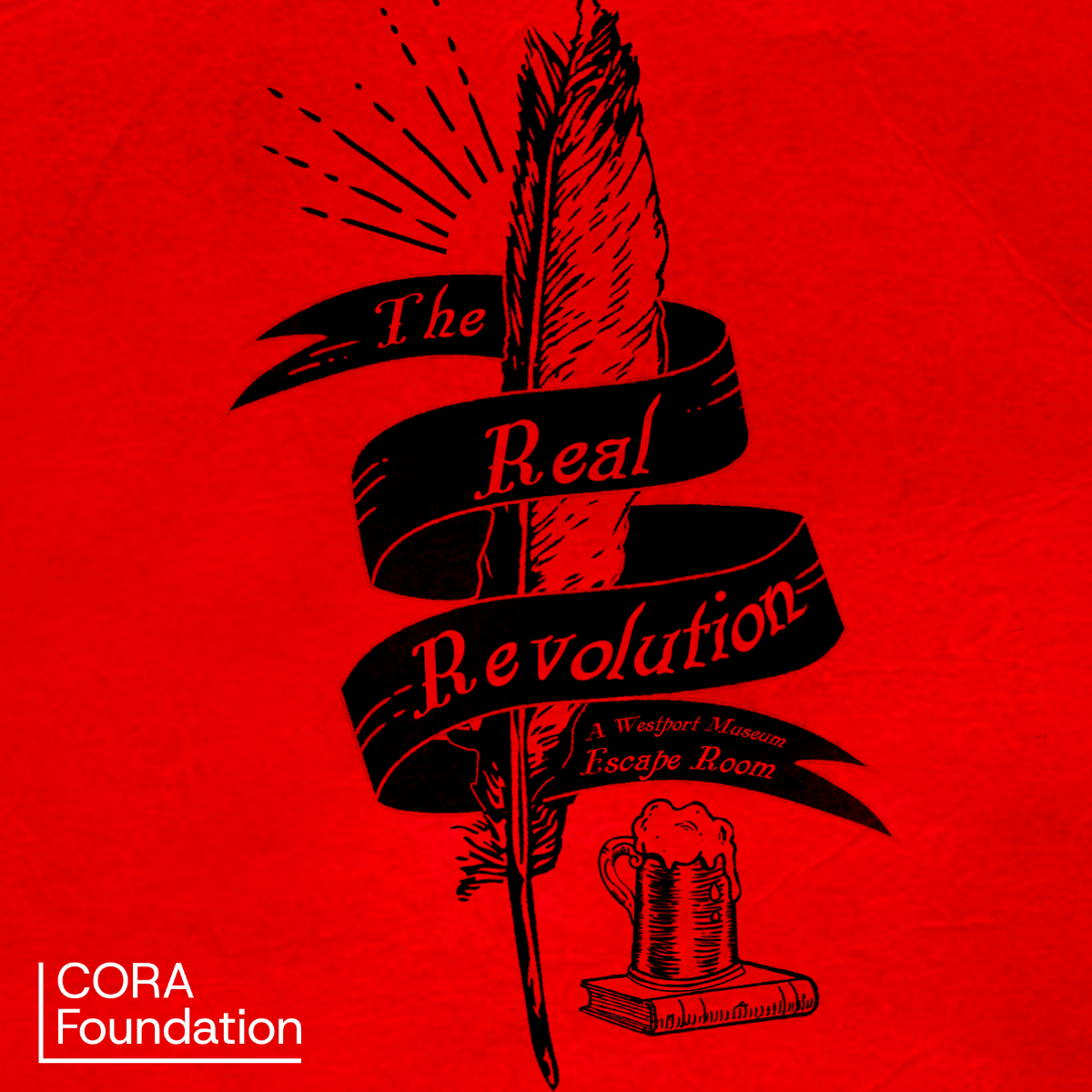
The current exhibition, the Real Revolution, explores the American Revolution from the perspectives of women, children, free and enslaved African Americans, indigenous people and others. The museum is also running an escape room in which players play the roles of George Washington’s spies in a tavern setting.
In a fundraiser on Nov. 13, Ale to the Chief, guests will sample beer and whiskey the way Washington enjoyed them, among other period drinks and food. A fiddler and dance lessons will also be part of the event.
If the Museum cannot raise the necessary funds, the Board of Directors and Volunteer Advisors is exploring options that would allow the nonprofit organization to survive. In addition to selling Bradley Wheeler House, the Board would consider:
- Retention of the historic seven-sided Cobblestone Barn at Avery Place for limited Museum use.
- Relocation of Westport collections and archives to a lower-cost off-site location.
- Transition to a smaller research-focused organization providing online access, research services and limited public programming.
Among the Museum’s supporters are educator Vera Rhimes and her husband Ilee Rhimes, the museum said.
“As an educator, I know young people deserve to learn the whole story of America in all its complexity,” Vera Rhimes said in the museum’s announcement. “Institutions like the Westport Museum teach how to think—to examine evidence, ask difficult questions and understand experiences beyond their own. Today, history education is under increasing pressure, and community groups like the Westport Museum are essential.”
Not everyone is a complete fan. Morley Boyd, whose family ties in Westport date back to the early 1700s, said that “a traditional historical society unquestionably serves a vital purpose in any community,” but that he felt the Westport Museum “essentially lost its way some time ago.”
Many of the museum’s exhibits are “extremely interesting” he said, but added, “I sometimes have the impression that the museum doesn’t much care for the history of those who shaped our community.”
Ganeshram was hired when the board determined that what was then the Westport Historical Society “needed to professionalize and substantially change its operating model to survive,” the announcement said.
At that time, the institution had less than a year of viable operation remaining under its existing structure.
Ganeshram shifted the organization into a “professionally operated humanities institution producing rotating exhibitions grounded in original scholarship, primary sources and the Museum’s own collections and archives,” the announcement said.
The museum created new exhibition galleries, upgraded technology and digital infrastructure, renovated the grounds, professionalized collections and management of the archives, and undertook major preservation work on the barn, which the museum believes to be the only structure of its kind in Connecticut.
“This museum has reached impressive heights of quality, professionalism and scholarly rigor under Ramin’s leadership,” said Bill Lutkins, Chair of the Museum’s Board of Directors. “When she arrived in 2018, the Museum was already facing a dire financial future and had less than a year to viably survive under its existing model. The Board asked her to transform the institution, and she and the staff did exactly that.”
When the COVID pandemic shuttered museums and other public buildings across the country in 2020, Westport Museum rapidly shifted its focus online.
“The Museum redeployed staff to researching, writing, and producing digital historical content. The strategy allowed the Museum to continue serving the public and raising funds while keeping most staff employed full time during the height of the crisis,” the announcement said.
Between 2020 and 2022, the Museum raised nearly $3 million.
“Those funds were responsibly stewarded and exceptionally well used, supporting major preservation and capital projects while allowing the Museum to transform its exhibitions, programs and operations,” Lutkins said. “That investment did what it was meant to do. Now it is critical that we rebuild that financial support so we can expand upon this work and continue sharing Westport’s remarkable legacy.”

Ken Valenti
A career journalist and lifelong resident of the New York City region, Ken Valenti has enjoyed decades of reporting local, regional and national news in New York and Connecticut. Topics of special interest are development, the environment, Long Island Sound and transportation. When not reporting, he’s always on the lookout for the perfect coffee shop or used book sale.




If one wants to see the rather dire financial picture:
https://projects.propublica.org/nonprofits/organizations/237402125
Though it is befuddling that this is suddenly a fire drill.
While I would be the first to acknowledge that quaint local history museums probably don’t have the popular appeal that they once had, few in Westport had a desire to see the museum turned into a Westport (how I hate using this word) Woke Museum. And the controversial actions of the current (now nearing a decade) museum regime have been well-documented by the local press.
The organization has been financially run into the ground, as expenses have dramatically increased and fundraising seems to have dried up. Better to bring on competent financial leadership before asking local residents to throw good money after bad.