
By John Schwing
WESTPORT — Plans for a new sewer line, initiated nearly two decades ago, are finally in the pipeline, but with a hefty cost increase over initial estimates.
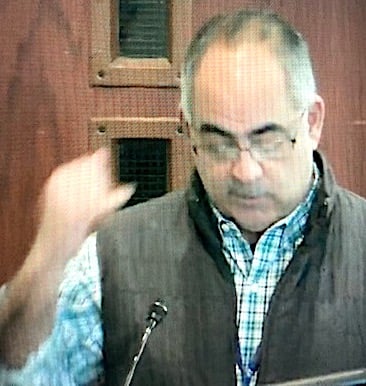
Bryan Thompson, Water Pollution Control Authority supervisor, gave the good news/bad news report about the planned sewer line at the Board of Selectwomen’s meeting last week in Town Hall.
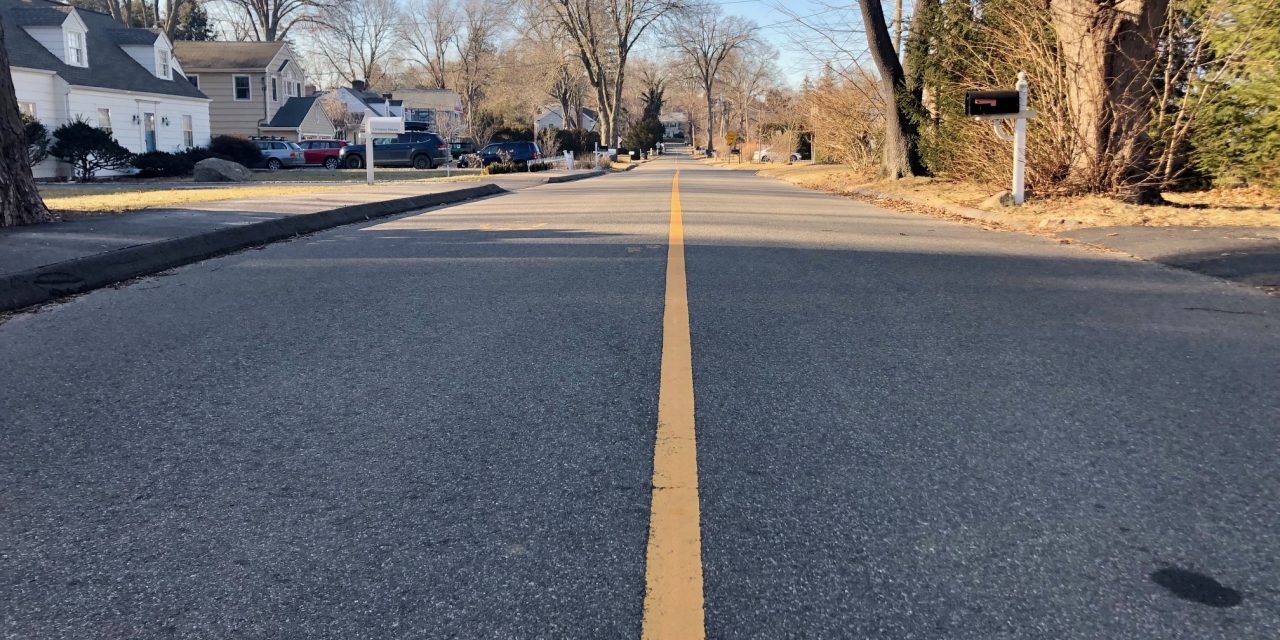
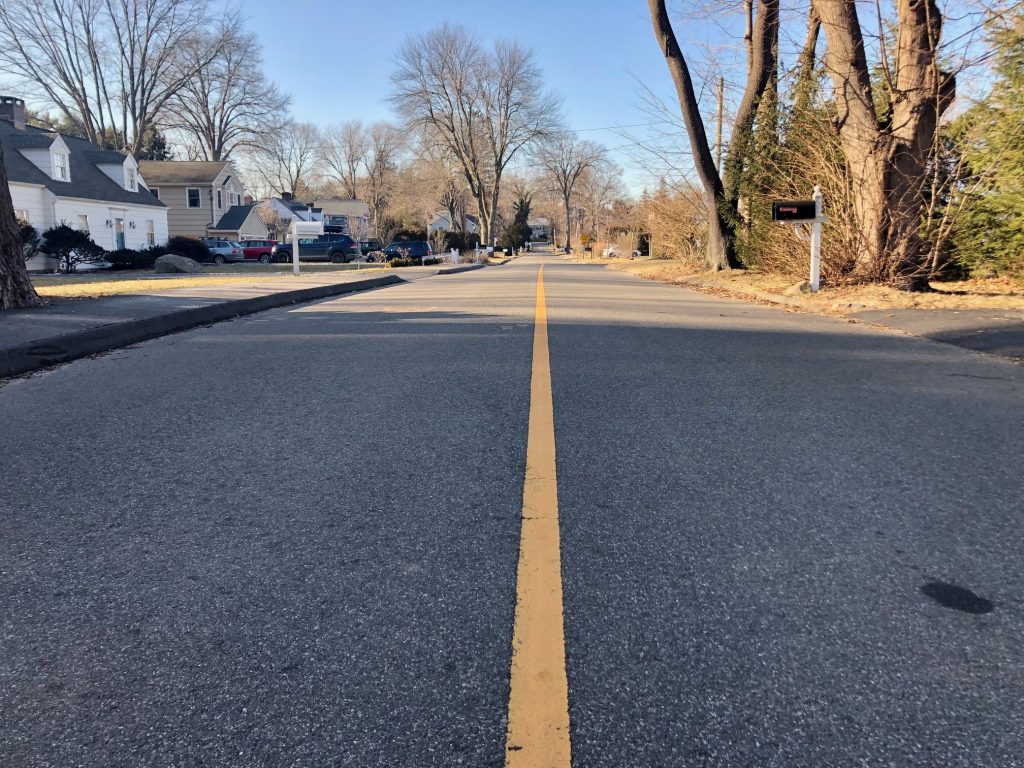
The sewer line, if final approval is granted, will cover the area encompassing Evergreen Avenue, Evergreen Parkway, Tamarac Road, Lone Pine Lane, Gorham Avenue, Compo Road North and Brookside Drive.
A petition to install sewers in the neighborhood was launched in 2005, according to Thompson. Over time, it garnered enough support to cover a zone, or “sewer shed,” of sufficient scope for the town to design plans for a neighborhood-wide project.
A Zoom meeting conducted in December 2020 showed support for the sewer project from 54 property owners among 121 within the sewer shed. Since then, he said, the acceptance rate for the project has grown to 79 percent of the area’s property owners.
Construction cost of the project, when plans were drawn up in March 2022, was estimated at $3.1 million, inclusive of expenses such as a 5 percent contingency account.
When the project went out to bid last year based on the projected cost, however, only one contractor bid on the job and that bid was disqualified for technical reasons, Thompson said. But if it had been accepted, the projected assessment per household would have been about $50,000, he said.
A new round of bids took place in January, and this time, four contractors submitted bids. The low bidder, the same firm — Burns Construction — that filed the lone bid a year earlier submitted the low bid, but its cost estimate was $1.4 million lower.
Based on that bid, the preliminary assessment per property would be $32,692.40, Thompson said, amended from an earlier $25,447 estimate.
Overall construction costs for the sewer line are now higher than the original estimate, Thompson said, and extra money will need to be approved by the Board of Finance. And those funds eventually will be covered by neighborhood rate payers, as reflected in the increased assessments over initial estimates.
The request for an additional $790,000 has been added to the finance panel’s meeting set for 7:30 p.m. Wednesday, March 1, in the Town Hall auditorium.
Sewer construction could begin as early as May, Thompson said, as long as the extra money is approved by the Board of Finance and then the Representative Town Meeting at their next meetings. The selectwomen, in their role as the Water Pollution Control Authority, also must formally award the construction contract, which he anticipates would take place in April.
Once work starts, the contractor has 300 days to complete the job.
Thompson said that, based on recent contact with neighborhood residents, many continue to support the project despite the $32,692 assessment. That fee is markedly higher compared with per household assessments for the town’s last sewer line in the Fillow Street area, which tallied roughly $18,000 when work finished in 2018.
Jennifer Johnson, a former RTM member and neighborhood resident, was one of several speakers from the audience who expressed support for the new sewers, while acknowledging plans took a long time coming to fruition.
Because nearly two decades passed since the sewer line petition was initiated, Johnson wondered if there is any way the town might be able to mitigate property owners’ sharply increased fees.
Thompson responded that, other than floating the 20-year bond to finance the project, the town does not allocate money from its general fund to build sewer lines. The projects all are self-funded via assessments paid by property owners.
He also noted that over the last 20 years, not only have costs of construction risen, but the property owners’ home values and septic system expenses also are higher.
Todd Ehrlich, an Evergreen Avenue resident, asked if delaying work another year — given the $1.4 million drop in construction costs from 2022 to present — might realize additional savings.
Thompson said he is reluctant to delay the project further and “roll the dice” about what the state of the economy and construction costs might be a year from now.
John Schwing, the Westport Journal consulting editor, has held senior editorial and writing posts at southwestern Connecticut media outlets for four decades. Learn more about us here.







Recent Comments