

By Kerri Williams
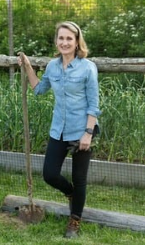
When it comes to monarchs, Alice Ely has a clear message. The beautiful butterflies are in danger of disappearing in places like Westport, but there’s things we can all do to make a difference.
Alice, a Westonite and UConn advanced master gardener, delivers talks near and far about pollinators, including monarchs, and how gardeners can create a habitat that supports them.
Monarch butterflies, with distinctive orange-and-black markings, are magical to glimpse on an August afternoon. They are all the more miraculous when you consider that these small creatures are gearing up for a journey of more than 2,000 miles to Mexico. It’s a trip that monarchs undergo each year in early fall, when Alice sometimes spots clusters of them while looking skyward as she is paddling on Long Island Sound.
“It’s yet another example of how fascinatingly complex nature is,” Alice said.
How to make a difference
But there are three factors making monarch numbers dwindle, according to Alice: habitat loss, climate change, and use of pesticides.
What people can do to make a difference is to treat their yards like a natural habitat. That means not using insecticides or spraying grass with fertilizers that could be harmful to pollinators.
Spraying is spraying
“People tell me that they only spray for ticks,” Alice said. “That is spraying.” Alice promotes using other more natural forms of tick prevention, such as wearing protective repellent and using tick boxes and tubes.
Alice feels so strongly about this that she tells people who spray that they should not lure pollinators to their yards.
Another factor that influences monarchs is extreme weather events while they are migrating, since making it through a hurricane or other severe storm can be next to impossible for the tiny creatures.
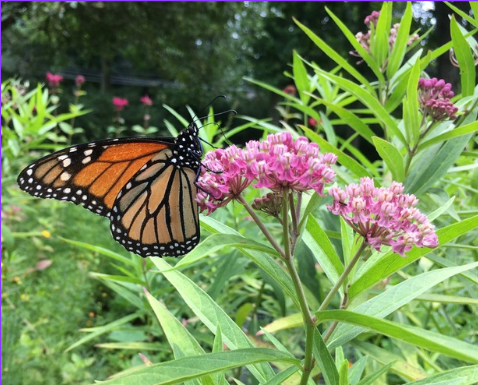
Milkweed
But the last factor is one that everyone can help with – by planting the types of native flowers that attract monarchs. The most important of those plants is milkweed, which the monarch caterpillar needs to survive.
Milkweed has become less plentiful, but gardeners can help by introducing it into their yards and nearby open spaces. There are many forms of milkweed, from common milkweed, which Alice calls a “great, tough plant” to others such as swamp milkweed, eastern swamp milkweed, and even some with purple-colored flowers.
Milkweed can be planted with seeds this fall, which should come up next spring. One of the best ways, according to Alice, is by taking some milkweed seeds and creating a “seed bomb,” which can be a fun, fall family activity.
To do this, you can combine natural clay, some compost and water to make golf ball-sized balls. Milkweed seeds, about 6-7 per ball, can be pushed inside the balls using a toothpick. Next, re-roll the ball and allow it to dry. Those seed bombs can then be planted in the garden in the fall or even thrown into open spaces, according to Alice.
Alice also recommends a method called winter sowing, which involves making a little greenhouse for seeds in a milk jug or other container. The jug is then put into the garden in the winter, with seedlings coming up in April. Alice teaches a class on winter sowing each year at Wakeman Town Farm.
In addition to milkweed, there are other plants that support monarchs, especially around this time when they are gearing up for their long journey. The butterflies store fat in their tiny bodies and are actively looking for nectar.

Some beneficial plants in the late-summer garden are:
- Goldenrod
- Joe Pye weed
- Ironweed
- Boneset
- Asters
- Black-eyed susans
Some annuals are also helpful:
- Zinnias
- Mexican sunflowers
- Tropical milkweed.
While Alice recommends mostly native plants for pollinators, she also is a fan of the non-native butterfly bush, with its pretty, purple blossoms, because it has “crazy amounts of nectar” in the fall. Alice said she has one butterfly bush in her yard just for the monarchs.
For those who have planted milkweed or plan to do so, Alice recommends registering to be a “Milkweed Way Station” at monarchwatch.org. The organization helps keep track of the butterfly migration each year and counts how many individuals are helping. Currently, there are about 600 registered way stations in Connecticut, with 55,000 in the United States.
So, if you find it magical to encounter a monarch on a summer afternoon, consider doing something to help these creatures. And you will probably find yourself helping other pollinators as well. Because, as Alice puts it, “It’s all interconnected.”
“Monarchs are the poster child for what’s going on in our environment,” she said.
Alice Ely recommends the following seed companies for purchasing milkweed seeds: Prairie Moon Nursery, Hudson Valley Seed Co., and American Meadows.
Recent Cultivating with Kerri articles

Kerri Williams
Kerri Williams is an award-winning writer and journalist. She has worked as a reporter at the Norwalk Hour, as Living editor at the Darien News-Review, and managing editor for the Norwalk Citizen-News. For Westport Journal, she is a reporter as well as a gardening columnist, writing ‘Cultivating with Kerri.’ Williams moved from Connecticut to upstate New York in 2021.






Recent Comments