
Below is an opinion submitted by Westport resident Robbie Guimond.
RTM!!!! It’s time to answer the call. Are you ready?
After last night’s CT DOT hearing, one thing was clear: fears about increased truck traffic is widespread across town. While other issues came up, the need to address truck traffic stood out.
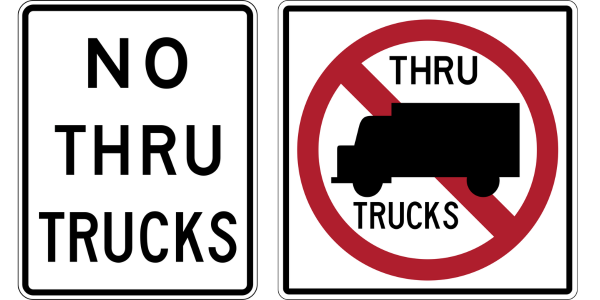
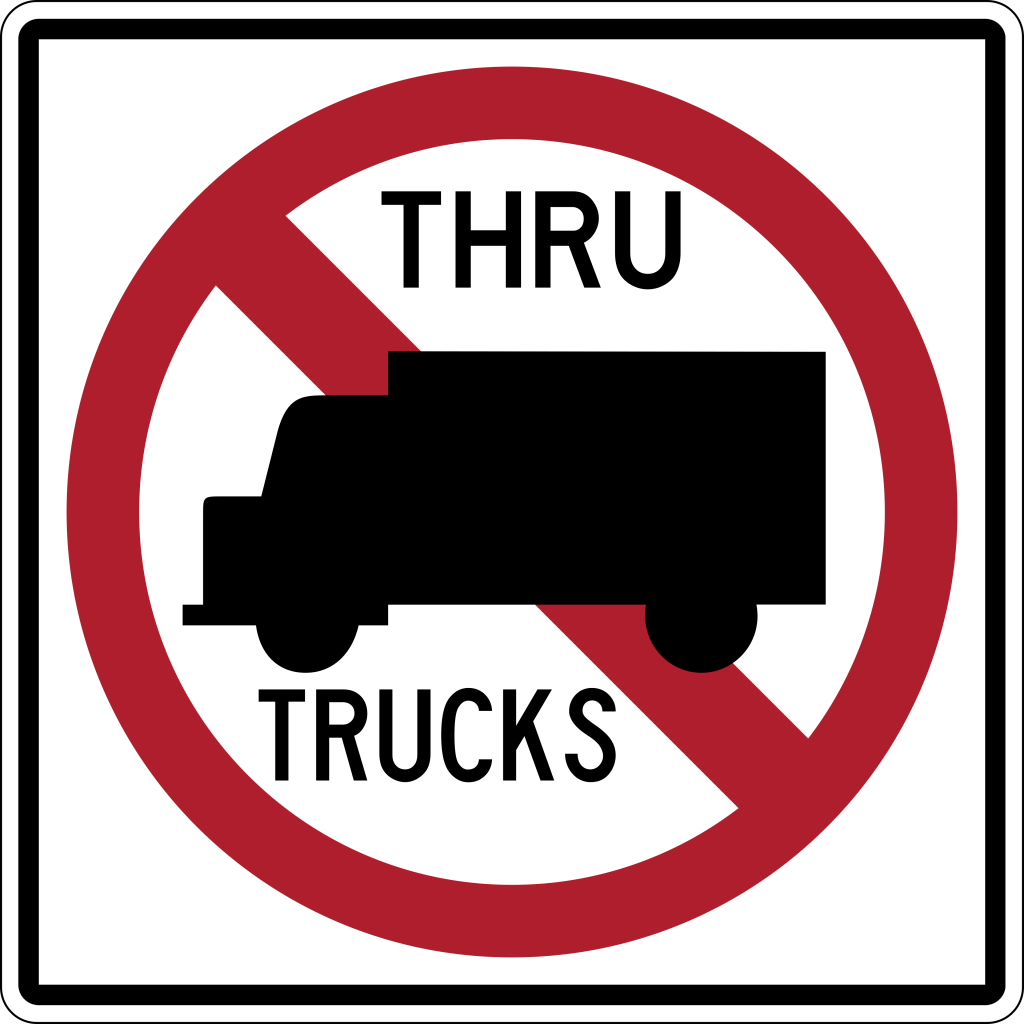
I believe the RTM should begin the process of creating a “no through truck” ordinance immediately.
This is a public SHOUT OUT!!! for the appropriate RTM committees to take this on—or to form a new committee if needed. It would make sense to include people like Andrew Colabella and Jennifer Johnson, who have consistently raised this issue, along with others who can help move it forward.
We also know that during reconstruction, a temporary span will allow all legal loads to cross for 3+ years. Even a bridge rehab would bring increased truck traffic back. We should be ready with a plan to act if and when the trucks show up. .
RTM—it’s time to get to work. Are you ready? Your constituents are.
Robbie Guimond
Westport






The only bridge rehabilitation alternative that would result in a higher clearance height is the one that, ahem, DOT came up with. But the agency, as we all know, is under no obligation to raise the bridge’s height as it’s a historic span with preexisting conditions. On the other hand, the Adaptive Rehabilitation Alternative Plan that has gained so much support, specifically calls for the bridge’s clearance height to be maintained. It also goes on to stipulate that the bridge be widened – as many other historic bridges have – to allow for bike lane(s) and more generous vehicle travel lanes. Obviously, any and all repairs to piers, superstructure,etc. are included. Additionally, in place floodproofing solutions for the bridge’s mechanicals would be carried out. These are proven methods that are perfectly acceptable under the existing regulatory framework and are actually supported by FEMA. Thus, the Adaptive Rehabilitation Alternative Plan fits DOT’s Project Purpose and Need Statement and, per Sec.4f of the National Transportation Act, is feasible and prudent. The burden is now upon the Connecticut Department of Transportation to prove otherwise. That’s the law.
Well that not what the post is about… but maybe you can explain why your group does NOT want the no thru truck ban? The floor is yours.
Oh yes, it’s exactly what this post is about. And since I have the floor, I’ll remind you that even as far back as the TOD study, the Westport Police were saying No Thru Truck isn’t meaningfully enforceable. Moreover, many things in this town are promised – but then end up having an expiration date. Like the lights at Staples. Signs, like fads, administrations and commitments,come and go. But the bridge is forever. If you’re serious about mitigating truck traffic then you want the serious solution. And that’s the Adaptive Rehabilitation Plan – which refreshes, widens and strengthens a cherished landmark whilst maintaining its existing height.
As usual, Morley Boyd makes more sense than anyone else and everyone else.
Did you know it only takes two RTM members to put a no‑through‑trucks ban on the agenda for discussion.
JUST TWO!
We’ve been told that for three years or more all legal loads will be able to cross the temporary bridge. So what’s the plan—stand at the connector with a T‑shirt and a lawn sign while trucks roll through?
Which two RTM reps are willing to bring this to the floor at the next meeting?
The town is watching. Let’s see who prioritizes truck traffic.
Not quite sure what call you’re hearing..
But now is certainly the time for all Westporters to be heard… the CTDOT public hearing is going on right now… the Saugatuck Alliance has provided lawn signs, posters, and their web site to make commenting simple and easy.
https://sites.google.com/view/westportallianceforsaugatuck/cribari-bridge
What to say (keep it short):
“I am concerned about potential changes in traffic, including truck traffic, and ask that these impacts be fully studied before decisions are made.”
Where to send it:
Email your comment to the contacts listed on the CTDOT Cribari Bridge project page
When:
Submit before April 17, 2026
Why it matters:
Your comment becomes part of the official record that federal agencies must review and respond to before moving forward
—
Werner Liepolt
Federally recognized consulting party (Section 106)
WHAT? No direct link to CTDOT like usual, Interesting choice of filtering.
I’m confused by the proposed Adaptive Rehab Plan. As I understand it, the concept involves splitting a 140-year-old bridge lengthwise to widen it. How does that make sense? At that point, the bridge would no longer be truly historic.
From an engineering perspective, is this even feasible without narrowing the river channel? And if the bridge can’t be raised under this approach, doesn’t it remain vulnerable to flooding? Wouldn’t a wider bridge also take longer to open and close if it continues to rely on historic operating methods?
No one wants increased truck traffic, yet we haven’t fully explored ways to control it on our own roads. Wouldn’t it make sense to try?
The RTM should choose to address a “no‑thru‑truck” ordinance as a smart, strategic preventative move.
Once the bridge span reopens, trucks may try to use it, only to get stuck or forced to back up because of the height limit the Alliance is suggesting. Signage in place will help prevent this.
Acting on this sends a clear message to the electorate that the RTM hears you and cares . Additionally with only two RTM members needed to add it to the agenda is seems like a no brainier.
The RTM does not establish No Thru Truck designations on state routes such as Bridge Street and Riverside. The Office of State Traffic Authority (OSTA) may or may not approve that – after receiving and evaluating a completed application (including traffic studies, justification, etc.) from the Local Traffic Authority (in our case, the Board of Selectmen).
In my decades of work with the Cribari Bridge and CTDOT’s attempts to replace it with a truck bearing bridge, I have learned that the best the RTM can do is pass a resolution advocating NO TRUCKS on Greens Farms Road and Bridge St. State regulations put the authority to prohibit trucks in Traffic Council and our Board of Selectpersons will have to petition them to get traction in that direction. (Please consult the regulations before advising a decent into rabbit holes!)
To be clear Westport has no power over truck traffic on Rt 136–South Compo Rd and Bridge St.
Trucks that currently use the Post Rd and Riverside to get to and from Exit 17 may well choose to use South Compo and Bridge St should a replacement bridge be the final decision. Of course that has implications for Imperial Ave, and residents on that street in district 9 may appreciate the RTM’s attempt to limit truck traffic to state highways.
Far more effective at this time, I believe, is to register your comment using the direct links to the governor and CTDOT’s public comment link. Every comment there is entered into the public record and must, by federal regulations, be considered.
https://sites.google.com/view/westportallianceforsaugatuck/cribari-bridge
Thanks for adding to the dialogue, this bit of info confirms TIME IS OF THE ESSENCE!! BUT…. this post is about local roads primarily, the RTM has the authority to form a committee to review these options, they said it and its recorded.
So why would that be a bad thing? It’s not!
It only takes two to start the process. LETS GO RTM!.
Under current law, local traffic authorities are ALSO barred from enacting “de facto” No Thru Truck bans. Enacting a No Thru Truck ban on town owned Greens Farms Road may, upon investigation by the Office of State Traffic Authority (OSTA), be viewed as a de facto ban on Bridge Street, which is a state route – especially if the bridge is replaced and thus open to all forms of heavy freight traffic. The OSTA will, among other things, consider whether Greens Farms/Bridge Street is a “logical” freight route. In any event, the RTM isn’t the body which initiates No Thru Truck designations or applications; rather it’s the Local Traffic Authority – which is the Board of Selectmen in Westport’s case. That’s where this subject has been debated in the past.
Like all of our traffic concerns, there is no single solution. It requires a combination of regulation, enforcement, design, education, and collaboration. The State has an important role, but so does the Town. Arguing against the RTM’s involvement is counterproductive—under the Town Charter, the RTM is the only elected body with the authority to establish a special committee.
Every RTM district in Westport is affected by the Cribari Bridge. If something were to happen to that bridge, the impact would be felt town-wide. Given that, it makes sense to support the RTM in establishing a committee as part of a coordinated, thoughtful approach.