
By Safwan Zar, MD, Pain Medicine, Nuvance Health
The sultry days of summer are upon Westporters, presenting the perfect conditions for outdoor fun. However, for many, discomfort and pain from conditions like arthritis and back problems can make it challenging to fully enjoy the summer. Whether you are trying to exercise at Sherwood Island, sit comfortably on a picnic blanket at Winslow Park, or carry gear to Compo Beach, managing pain is crucial to fully participating in summer fun.
Keep reading to understand common conditions that can limit your warm-weather activities. Then, get practical tips to manage discomfort and ensure you can make the most of the sunny days.
Understanding common conditions that affect summer activities
Arthritis
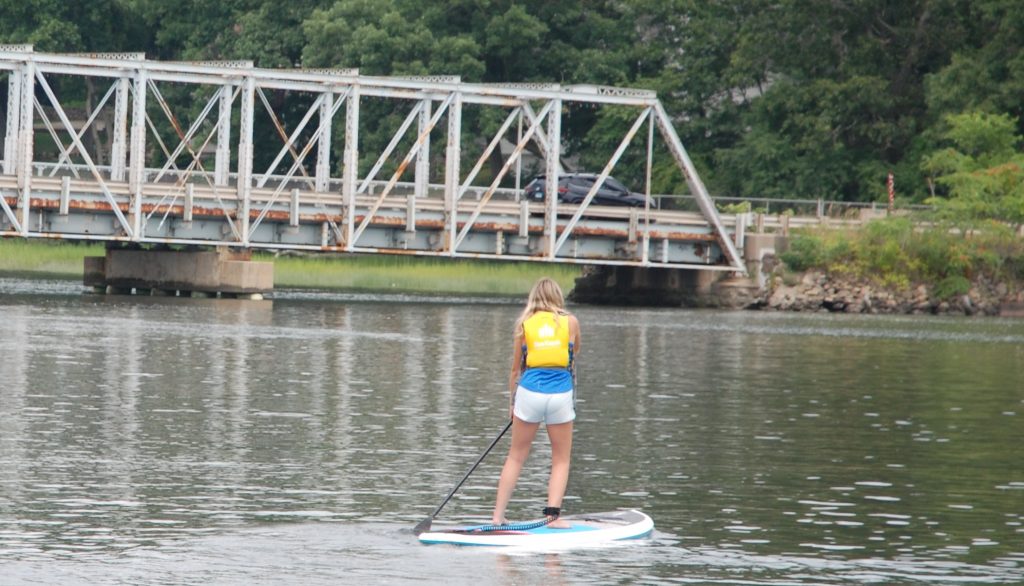
Arthritis can affect the joints in the neck, back, and knees and hinder activities despite the warm weather’s potential benefits. The heat can help ease arthritis symptoms by boosting blood flow and relaxing muscles, reducing joint pain and stiffness. However, overexertion during hot weather can lead to flare-ups, so balancing activity with rest is crucial.
Arthritis-related joint pain and stiffness can restrict your range of motion, making tasks like bending, lifting or prolonged standing challenging. This can affect simple activities such as carrying gardening tools in your yard, standing up from a beach blanket at Compo Beach or walking at Earthplace. Joint pain in the knees and hips can particularly flare up when kneeling in the garden or sitting for extended periods during road trips or plane travel.
Joint problems from overuse
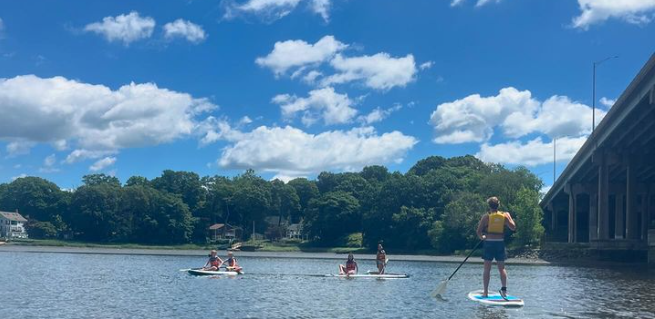
In addition to arthritis, repetitive use can lead to joint pain. Teenagers might experience shoulder pain from frequent sports activities like swimming. Adults in jobs requiring repetitive motions, such as carpenters, can also develop joint issues. Overuse injuries can result in pain and swelling, hindering activities like kayaking on the Saugatuck River or playing beach volleyball at Burying Hill Beach.
Herniated discs and spinal stenosis
These common conditions affect the neck and back. A herniated disc occurs when the cushioning between vertebrae slips out of place, while spinal stenosis involves the narrowing of spaces within the spine, putting pressure on nerves.
Both conditions can cause radiculopathy, resulting in radiating pain, numbness and weakness in the arms or legs, depending on the affected part of the spine. Prolonged sitting and limited movement during travel can increase spinal pressure and worsen symptoms. Frequent breaks to stretch and move around can help.
Carrying heavy beach bags or camping gear, especially on one shoulder, can trigger spine pain. Lighten your load and use a backpack to distribute the weight evenly. Certain positions, like sitting in a low beach chair or lying on a beach towel, can aggravate symptoms. Identifying body positions that provide relief can improve comfort.
Effective pain management strategies
There are numerous ways to manage pain, from medications and topical treatments to physical therapy and interventional procedures. Consult specialists in Westport who can offer tailored solutions to improve your quality of life. Exploring options with a pain management specialist can help you find the best approach to control your pain and stay active.
Non-medical pain management techniques
Heat or ice: Applying heat can relax muscles and enhance blood flow, reducing stiffness and pain. Ice can help reduce inflammation and numb sore areas, offering immediate relief. Use heat for chronic pain and stiffness, and ice for acute injuries or flare-ups.
Pain management patches: Over-the-counter (OTC) patches can provide localized pain relief. These patches often contain medications like lidocaine or menthol, which can numb the pain and offer a cooling sensation.
OTC pain medications: NSAIDs like ibuprofen or acetaminophen can help manage pain and reduce inflammation. Always follow the dosage instructions and consult a healthcare provider if you have underlying conditions.
Stretching: Regular stretching can improve flexibility and mobility, reducing pain. Focus on stretches that target the affected areas, such as hamstring stretches for lower back pain or shoulder stretches for shoulder pain.
Physical therapy: Tailored exercises from a physical therapist can strengthen muscles and alleviate pain. A physical therapist can also teach proper body mechanics to prevent further injury.
Learn more about physical therapy at Nuvance Health.
Specific relief positions: Certain positions can alleviate pain. For example, bending forward or backward can relieve nerve pressure in the spine. Understanding these techniques can provide immediate relief and improve mobility.
Pain management solutions
Arthritis
Medial joint blocks: These injections block the nerves that cause pain in the affected joints, providing significant relief and improving mobility.
Radiofrequency ablation: This procedure uses heat to destroy nerve fibers that carry pain signals, offering long-term relief for back pain caused by arthritis.
Steroid injections: These can reduce inflammation and pain in joints, particularly in the knees. If you cannot have steroid injections, nerve blocks may help.
Peripheral joints in the shoulders, hips and knees
SPRINT® Peripheral Nerve Stimulation: A temporary, drug-free, outpatient procedure that stimulates the affected area, helping to reduce pain without surgery or medication.
Regenerative therapy: Minimally invasive procedures using the body’s own healing processes to repair joints, including treatments like stem cell therapy or platelet-rich plasma (PRP) injections.
Spine
Neuromodulator therapy: This involves implanting a device that sends electrical impulses to the spine, disrupting pain signals and providing relief.
Tendons
PRP Injections: Platelet-rich plasma injections use a concentrated dose of the patient’s own platelets to promote healing in damaged tendons.
Ultrasound-guided tenotomy: This procedure uses ultrasound to guide a needle to the damaged tendon, stimulating the body’s natural healing process.
Tips for preventing and managing injuries

Injury prevention is key to enjoying the warm weather in Westport. Here are ways to lower your risk of injuries:
Conditioning: Gradually increase the intensity of activities to build strength and endurance. For example, start with walking before progressing to running along the Saugatuck River.
Warm up and stretch: Prepare your body before engaging in physical activities. A good warm-up increases blood flow and reduces the risk of injury.
Body mechanics: Lift with your legs, not your back, and use proper ergonomics. Learn safe lifting techniques and practice good posture to prevent injuries.
Proper footwear: Wear shoes that support your activities to prevent injuries. Choose sneakers with good arch support for physical activities and avoid sandals that can cause slips and falls.
Plan: Take OTC pain medication before long trips as directed by your doctor to prevent pain from becoming unbearable. Avoid overloading bags by packing light. Use a backpack rather than a shoulder bag or pull your items in a wagon. When traveling, use luggage with wheels to reduce strain on your back. Bring back or knee braces or supports like pillows, and plan breaks in advance.
Living with arthritis and spine conditions does not mean giving up warm-weather activities in Westport. By understanding common conditions and using effective pain management strategies, you can be active and make the most of the sunny days ahead.
Safwan Zar, MD is a pain management specialist and board-certified physiatrist. He helps people manage chronic pain through the latest minimally invasive interventions and rehabilitation medicine. He practices in Norwalk, Connecticut, and is part of Nuvance Health. Learn more about Dr. Zar and request an appointment.
Note: Nuvance Health has sponsored this content for Westport Journal. Nuvance Health is a system of nonprofit hospitals, medical practices and outpatient healthcare services throughout the Hudson Valley and western Connecticut, including nearby Norwalk Hospital. Visit nuvancehealth.org for more information.




Recent Comments