
By Erica Seebeck, APRN, Bariatric Medicine, Internal Medicine, Norwalk Hospital, part of Northwell Health. Sponsored by Nuvance Health, now part of Northwell.
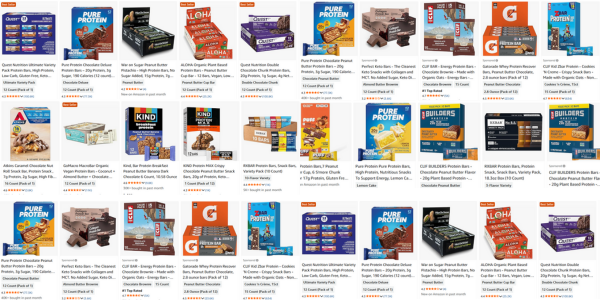
It’s no secret that Westporters lead busy lives and often need quick, healthy options when it comes to their nutrition. Protein bars offer a convenient solution for meals on the go. With many choices available, it’s important to read labels since some bars are nutritious while others are more like candy. Knowing what to look for helps you pick protein bars that fit your wellness needs and taste preferences. Here are seven tips for choosing the most nutritious protein bars.
Learn more about Nuvance Health’s comprehensive weight loss program.
1. Know the difference between protein and energy bars
Before you grab a bar, it helps to pause and ask yourself what your body needs at that moment. While the terms are often used interchangeably, protein bars and nutrition (or energy) bars serve different purposes.
Protein bars: Designed to support muscle repair and satiety. They typically contain higher amounts of protein and lower amounts of carbohydrates. These are excellent choices for a post-workout snack or a mid-afternoon transition between lunch and dinner when you need to keep hunger at bay.
Related content from Nuvance Health: Quick and tasty on-the-go snacks for busy days
Nutrition or energy bars: Usually higher in carbohydrates. Their primary job is to provide a quick boost of fuel. These are great options before a long run, a hike or an intense spin class when your body needs readily available energy. If you are sitting at a desk all day, a high-carb energy bar might provide more fuel than you can burn off, so matching the bar to your activity level is a smart strategy.
2. Check the protein source and quantity
Protein is the star of the show for many health-conscious shoppers. It helps build tissue, supports immune function and keeps you feeling full. When looking at a label, check the source of the protein to ensure it aligns with your dietary preferences.
Related content from Nuvance Health: How Much Protein is Too Much? What to Know For Your Health
Common sources include whey, casein, egg whites, soy, pea, brown rice and hemp. Animal-based proteins like whey generally offer a complete amino acid profile, which is great for muscle recovery. If you prefer plant-based options, look for bars that use a blend of plant proteins (like pea and rice) to ensure you get a broad spectrum of amino acids.
Regarding quantity, aim for a specific range based on your goal. For a light snack, 5 to 10 grams of protein is often sufficient. If you are using the bar as a meal replacement or post-workout recovery, look for options containing 15 to 20 grams of protein. This amount is substantial enough to make a difference in your satiety levels without weighing you down.
3. Be a detective about sugar
Sugar content is often where protein bars lose their “healthy” status. Some popular bars contain as much sugar as a donut or soda. Consuming high amounts of added sugar can lead to a quick spike in energy followed by a crash, leaving you feeling tired and hungry again shortly after eating.
Flip the package over and look specifically at “Added Sugars” on the nutrition facts panel. Ideally, you want to find a bar with minimal added sugar — aiming for 8 grams or less is a good general guideline.
Keep an eye out for different names for sugar in the ingredients list, such as:
- High fructose corn syrup
- Cane syrup
- Brown rice syrup
- Agave nectar
- Dextrose
While natural sources of sugar like dates or fruit purees are better because they come with fiber and nutrients, it is still wise to be mindful of the total sugar count if you are watching your intake.
4. Look for fiber to keep you full
Fiber is a crucial component of a healthy diet that many of us miss out on. It supports digestion, helps manage blood sugar levels and contributes to that feeling of fullness. A nutrition bar with a decent amount of fiber can prevent the blood sugar spike that might occur from the carbohydrates in the bar.
Related content from Nuvance Health: How fiber can help manage your weight and feel full
A good target is to look for bars with at least 3 to 5 grams of fiber. Some bars achieve this through whole food ingredients like oats, nuts, seeds and dried fruit. Others add fiber sources like chicory root fiber (inulin) or soluble corn fiber. Both can be beneficial, but if you have a sensitive stomach, you might want to test bars with added fibers slowly to see how your body reacts.
5. Understand sugar alcohols and sweeteners
To keep sugar counts low and sweetness high, many manufacturers use sugar alcohols or high-intensity sweeteners. You might see ingredients like erythritol, maltitol, xylitol, stevia or monk fruit extract.
These ingredients are generally recognized as safe and can be a helpful tool for reducing calorie and sugar intake. However, for some people, sugar alcohols (ending in -ol) can cause digestive discomfort, bloating or gas if consumed in large amounts.
If you notice that you feel bloated after eating certain “low carb” or “keto-friendly” bars, check the label for these ingredients. You may feel better choosing a bar sweetened with a small amount of real honey or maple syrup instead. It is all about listening to your body and finding what works best for your unique digestion.
6. Scan the ingredient list for whole foods
One of the simplest ways to judge the quality of a nutrition bar is to read the ingredient list. As a general rule of thumb, a shorter list with recognizable ingredients is a positive sign.
Look for whole foods near the top of the list, such as:
- Almonds, peanuts, cashews or walnuts
- Whole grain oats
- Egg whites
- Dates, figs or other dried fruits
- Seeds like chia, flax or pumpkin
Bars that rely heavily on highly processed protein isolates, oils and artificial flavors may provide the macros you want but might lack the micronutrients and antioxidants found in whole foods. A bar made primarily of nuts and seeds delivers healthy fats, vitamin E and magnesium naturally.
7. Consider making your own bars
If you want complete control over what goes into your body, making your own protein bars at home is a fun and rewarding option. It is easier than you might think and allows you to customize flavors to your liking while saving money.
Related content from Nuvance Health: Learn what makes this homemade trail mix recipe so healthy
You can create simple “no-bake” energy bites or bars using a food processor. A basic formula might include:
- A base of oats or almond flour
- A protein source like your favorite protein powder or hemp seeds
- A binder like peanut butter, almond butter or honey
- Add-ins like dark chocolate chips, dried cranberries or coconut flakes
Simply mix the ingredients, press them into a pan and refrigerate until firm. Cut them into squares and store them in the fridge for a grab-and-go snack that you can feel 100% confident about.
Making the best choice for you
Nutrition and protein bars can be a fantastic tool in your wellness toolkit. They save the day when you are stuck in traffic, provide a boost before a workout and help you hit your protein goals. By taking a moment to read the label and focusing on protein, fiber and ingredient quality, you can fuel your body with confidence.
Related content from Nuvance Health: The truth behind common nutrition myths
Remember that while bars are convenient, they work best when used to supplement a diet rich in fresh vegetables, fruits, lean proteins and whole grains. Keep exploring different brands and flavors until you find the ones that make you feel energized and happy. You are taking great steps toward a healthier lifestyle, one choice at a time.
Nuvance Health Medical Practice
Bariatric Surgery and Medical Weight Loss Darien
36 Old Kings Highway South, Darien, CT 06820
203-852-3050
Get Directions
Nuvance Health, now part of Northwell Health, has sponsored this content for Westport Journal. Nuvance Health is a system of nonprofit hospitals, medical practices and outpatient healthcare services throughout the Hudson Valley and western Connecticut, including nearby Norwalk Hospital. Visit nuvancehealth.org for more information.
About Erica R. Seebeck

Dr. Erica Seebeck, DNP, APRN, RN is a board-certified Adult-Gerontology Nurse Practitioner in primary care specializing in obesity medicine. She achieved her Doctorate in Nursing Practice from Quinnipiac University where she focused on complex metabolic diseases including diabetes and obesity. Erica holds a Certification of Advanced Education in Obesity Medicine from the Obesity Medicine Association.
Erica began her career as a Trauma/Intensive Care Unit Nurse, following her graduation with high honors from Fairfield University with a Bachelor of Science degree in Nursing. She has extensive experience in the hospital environment in the ICU, cardiac care and post-anesthesia & surgical recovery care.
Because of her background, Erica has experienced the challenges patients have with metabolic disease and disorder. She can bring a unique perspective and skills that enable her to take a holistic and creative approach to treatment to maximize success and maintain health in the long term.
Sources
High-Protein Bar as a Meal Replacement in Elite Sports Nutrition: A Pilot Study – PMC








Recent Comments