

By Kerri Williams
Did you ever notice that it’s hard to be in a bad mood when watching a bird?
Whether it’s the first robin of spring heralding brighter days to come or a cardinal on a snowy winter day, birds have a way of lifting my spirits.
My mom has been a birdwatcher for her entire life. She grew up on a farm with birds all around. We had a bird feeder during the winter when I was growing up, and my mom taught me to identify all the common visitors at a young age.
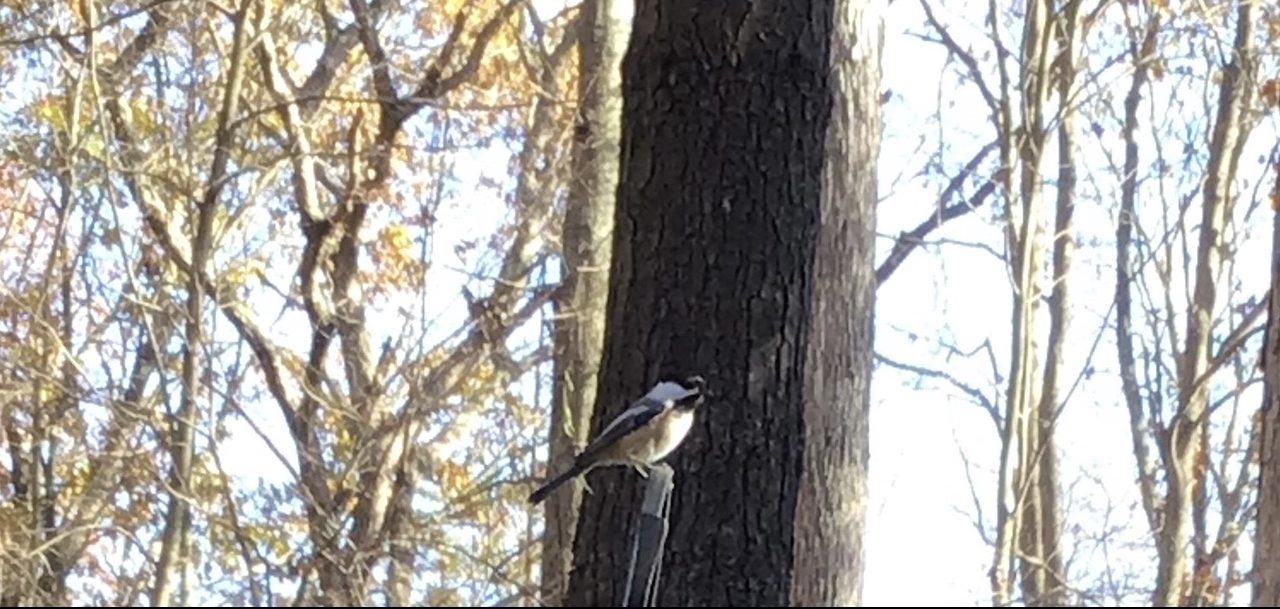
This year, when mom moved into a nursing home, one tiny miracle was the bird feeder outside her window. My mom and her roommate spend hours checking out the chickadees and finches that come by. A chipmunk visitor is also sure to spark a smile.
My brother keeps a bag of birdseed in the back seat of his car, and he has taken on the task of keeping that feeder filled for both the birds and their watchers.
I also have a birdfeeder at my own home. Sitting in our kitchen picture window and watching the daily scene unfold is one of my favorite pastimes. It seems like each one is an old friend.

And why not? According to Paul Rossi, a long-time Westporter who is on the committee of Wakeman Town Farm, birds are an integral part of our ecosystem. Attracting them to our yards, either by feeding them seeds or through what we plant, is a gift to both us and to the environment.
For Nathalie Fonteyne, a UConn master gardener and president of the Westport Garden Club, just about everything she does as a gardener is for the birds. She loves that they add movement, color and sound to the garden. And like me, she got her love of birds from her parents. Her mom used to keep a notebook to monitor all the different species of birds that visited her yard.
Nathalie likes to think of birds as tourists that you are trying to attract. They need three things: food, water and shelter.
For food, many people buy seeds and put out feeders. While that can be rewarding, both Nathalie and Paul prefer to attract birds in a more natural way, which also cuts down on unwanted rodents. While Nathalie will put up a bird feeder during a particularly harsh winter, she finds that creating a habitat for them in her garden sets them up with plenty to eat year-round.
One of the best food sources for birds is insect larvae, which they can uncover underneath fall leaves. When doing fall cleanup, Nathalie recommends leaving a small area with leaves and a stack of branches for feathered friends.
Both she and Paul also leave the seed heads on certain garden flowers, like echinacea, for the birds to feast upon. Nathalie finds that those seed heads also add some structure to the winter garden. Some people plant sunflowers just to have their seeds on hand for birds, she added.
Certain shrubs, like the chokeberry, are also beneficial to birds. The berries form on the bush earlier in the season, but it’s not until they freeze that they become sweet enough to eat. That’s one way nature helps provide for birds in the colder months, Nathalie said.

Both Paul and Nathalie recommend planting native trees that support insects that birds need to thrive. The oak is a host to all sorts of insects that birds eat, and they provide acorns that blue jays, woodpeckers and mallards will peck on.
For those who supplement by feeding seeds and suet, Nathalie recommends sanitizing the bird feeder regularly to avoid spreading disease. She also suggests putting some thought into where the birdfeeder is located, making sure it’s not too exposed so birds have a place to hide if startled.
Keeping a sturdy bird bath through the winter can be a crucial yet easy way to provide water for birds. Be sure to keep the water clean. And if it’s a harsh winter, you can consider an electric heater meant for bird baths to keep the water from freezing.
For shelter, birds require trees, especially native ones, where they can nest and find the insects they need to eat and feed their young. Nathalie also recommends having some conifers that stay green year-round and provide ideal nesting spots. For those birds who are ground nesters, planting a variety of grass can be essential.
Paul found an additional way to provide shelter on his property by building five bluebird houses about 10 years ago. He has the houses spread around his property and gardens.
Both Paul and Nathalie stress that if you create the right conditions in your garden, the birds will come and be part of the rhythm of nature. “The birds become your friends,” Nathalie said. “Just as you wait for the peonies or the dahlias, you can wait for different birds.”










Recent Comments