
By Thane Grauel
WESTPORT — The Planning and Zoning Commission recently voted to recommend to the Representative Town Meeting that it set the town’s new “inclusionary housing fee” at 0.5 percent.
The fee — $5 for every $1,000 spent on construction costs for zoning permits — must now be approved by the RTM. It will have a first reading at the legislative body’s Jan. 2 meeting.
The money will go into the town’s Affordable Housing Fund, which was established in October. The plan is enabled by state legislation. Several neighboring communities already have such funds. Fairfield collects the same as proposed by Westport’s P&Z. New Canaan’s fee is double that.
The P&Z’s vote was split, however. Some Republicans had questions about the plan. Patrizia Zucaro and Michael Calise voted against the measure. John Bolton, who was sworn in as a member to fill a Republican vacancy, voted in favor but hoped cases of hardship could be revisited in the future.
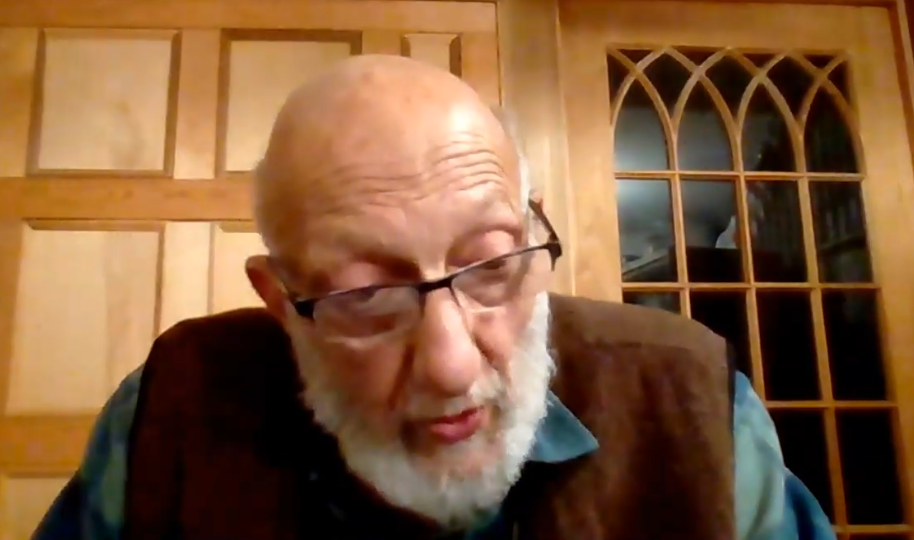
“Anything that keeps the fate of our town out of O.P.M’s hands in Hartford I’m in favor of,” Bolton said the state’s Office of Policy and Management.
Democratic members Michael Cammeyer, Amy Wistreich, Neil Cohn and Chairman Paul Lebowitz were in favor.
The Planning and Zoning Department staff had suggested a two-tier approach to the fee, $2.50 per $1,000 of construction cost for projects less than $500,000, $5 for projects $500,000 or greater. But ultimately Lebowitz suggested the $5 per $1,000 and that’s what passed.
RTM members Seth Braunstein, District 6, and Matthew Mandell, District 1, presented the plan to the P&Z. It is expected to raise about $1 million a year for affordable housing creation.
“The intent was, first and foremost, for the town to have its own projects,” Braunstein said. “For us to have a full-scale project where the town was in complete control of and where 100 percent of the development … where each unit would count toward the [state] moratorium” from the 8-30g affordable housing law.
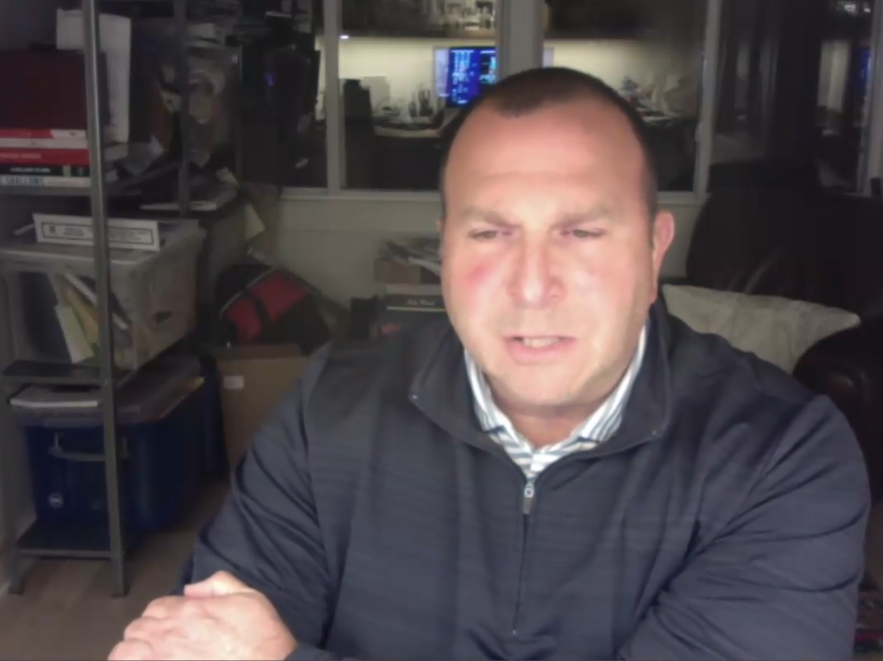
“We don’t even know what the plan is, because we have not gotten that point of the process yet,” Zucaro said. “The part of the process where we understand how the money will actually be used is further down the line.”
“I have concerns about how this fund is going to operate and how the money is going to be used,” Zucaro said. “Because we don’t specify it in any of the text amendments we have or any of the materials I’ve read.”
“I would like to see single-family homes excluded,” Zucaro said. “Because I feel that you’re in a scenario where, let’s say we have a young couple that moves into town. They decide to purchase a property, it’s their first home, they start doing renovations on it.”
“Not only do they have to pay for a zoning fee, a building permit fee, potentially an impact fee, now they’re also going to have to pay an inclusionary affordable housing fee,” she said. “It’s a lot for someone, especially someone coming to this town trying to build and acclimate themselves within our community.”
Calise said the goals of the affordable housing fund are laudable.
“However, I’m not pleased with the fee schedule,” he said. “I’m concerned that we’d be applying fees to people that don’t deserve it.
He said the commission had recently approved regulations to allow more affordable housing through accessory dwelling units.
“Here we are creating zoning regulations, which are very progressive, which are badly needed, which are encouraging people build housing, and then we’re going to penalize them for it,” Calise said.
“It doesn’t fit,” he said. “I can’t get my arms around it.”
“While this is money that will come out of people’s pockets, it’s an investment in the town,” Mandell said. “It’s an investment for each and every one of them because it helps us get toward our goal of affordable housing.”
“Will it stop 8-30g? No,” he said. “But the more units that we build the more moratorium points we get, the more moratoriums that we’ll get.”
The RTM will meet at 7:30 p.m. Jan. 2 in the Town Hall auditorium. The meeting will be streamed on westportct.gov.
Thane Grauel grew up in Westport and has been a journalist in Fairfield County and beyond for 35 years. Reach him at editor@westportjournal.com. Learn more about us here.







Recent Comments