
By Thane Grauel
WESTPORT — A “financial sustainability strategy” for the Parks and Recreation Department was approved Wednesday by the Board of Selectmen.
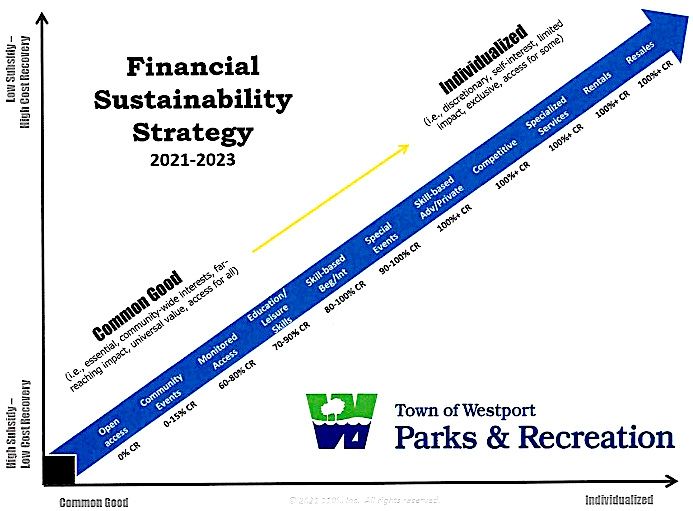
The strategy is designed to help the department recover costs at varying rates for the recreational activities and facilities it oversees, said Jennifer Fava, the town’s parks and recreation director.
“There are things we really need to look at,” Fava said. “What is it costing us to do provide whatever program or services? Just because we’ve always done it, doesn’t mean we should be doing that if we’re doing it at a loss.”
To ensure long-term financial sustainability, she suggested, may require creating or raising a fee in some cases, or getting a sponsor to help cover costs.
“Maybe it’s creating some kind of private-public partnership,” she added.
Few questions were asked by the three selectmen before they unanimously approved the policy.
In detailing the new financial strategy, Fava noted the Parks and Recreation Department is “one of the larger town departments, and certainly one of the largest revenue-producing departments, [so] it’s important that we need to be sustainable and responsible.”
She said the policy is formulated to be “fair, equitable and responsible, and provides a consistent basis on which decisions will be made.”
The policy will determine how much the department’s various programs are subsidized by taxpayer money and how much money is recovered from users.
Public money would generally be used to subsidize programs and facilities considered “essential” or serving broad community interests, as well as ensuring “access for all” to such activities.
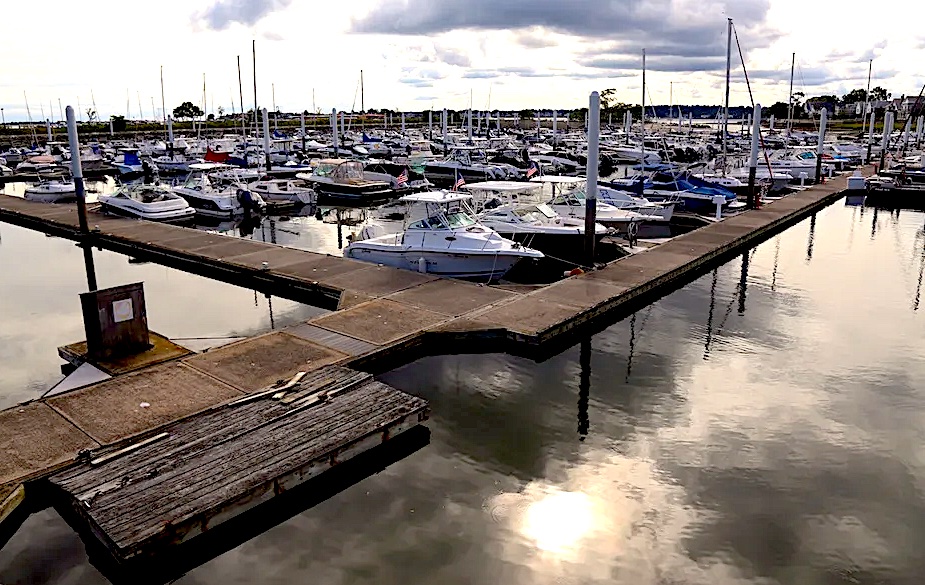
Things more deserving of subsidies, she explained, would generally be “open space, parks, such as Winslow Park or Grace Salmon Park,” she said, “rather than something that has a more individualized benefit, such as a boat slip rental or the resale of fuel, or some sort of specialized services, such as a tee time at Longshore Golf Course, which get no taxpayer subsidy.”
“Essentially,” she added, “those that benefit from a service should pay for that service.”
Fava said the Parks and Recreation Department worked with a consultant to develop the financial policy, which will help staff make “data-driven decisions.”
The department manages the town’s parks, ballfields, golf course, beaches, marinas, community gardens and more, and organizes a variety of recreation programs and community events throughout the year.
Fava said the Parks and Recreation Commission held several workshops to discuss the policy, and voted to approve it Oct. 20.
The policy includes success metrics, which Fava said “will be used to determine if we’re meeting our goals.”
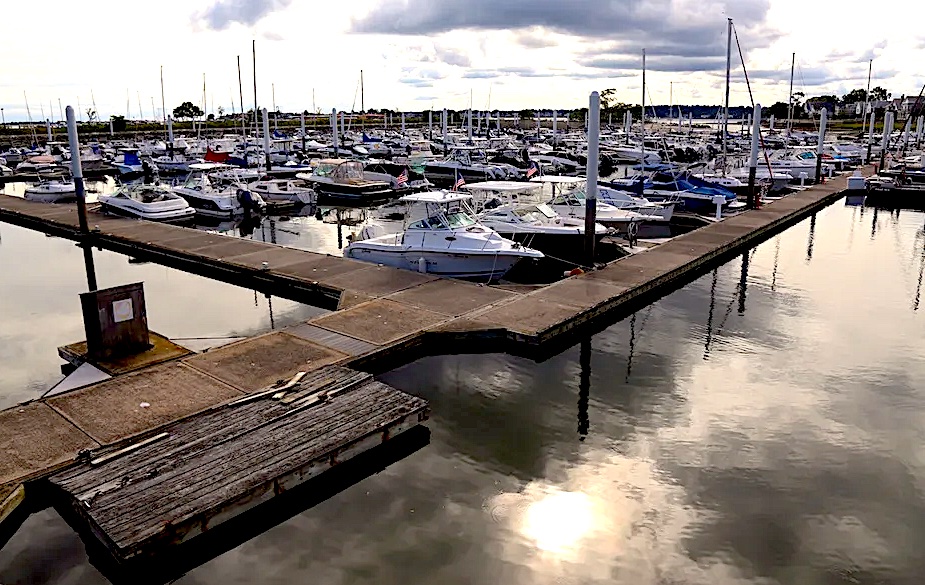








FYI the marina and boaters have generated a surplus for the last few years due to slip fee increases.