
Editor’s note: This is the second installment of a two-part report on southern California’s wildfires by Westport native Jarret Liotta, a Los Angeles-based freelance writer and photographer. The first executive editor of the Westport Journal, Liotta also worked for several other Connecticut news outlets.
By Jarret Liotta
LOS ANGELES — As a journalist, it’s awkward to sit with someone who’s suffered a significant tragedy and ask them to talk about it. And yet many people who have experienced the most dramatic events, such as those who lost their homes in last week’s fires, want to share their stories, want the opportunity to process, and want someone to just listen to them and let them vent.
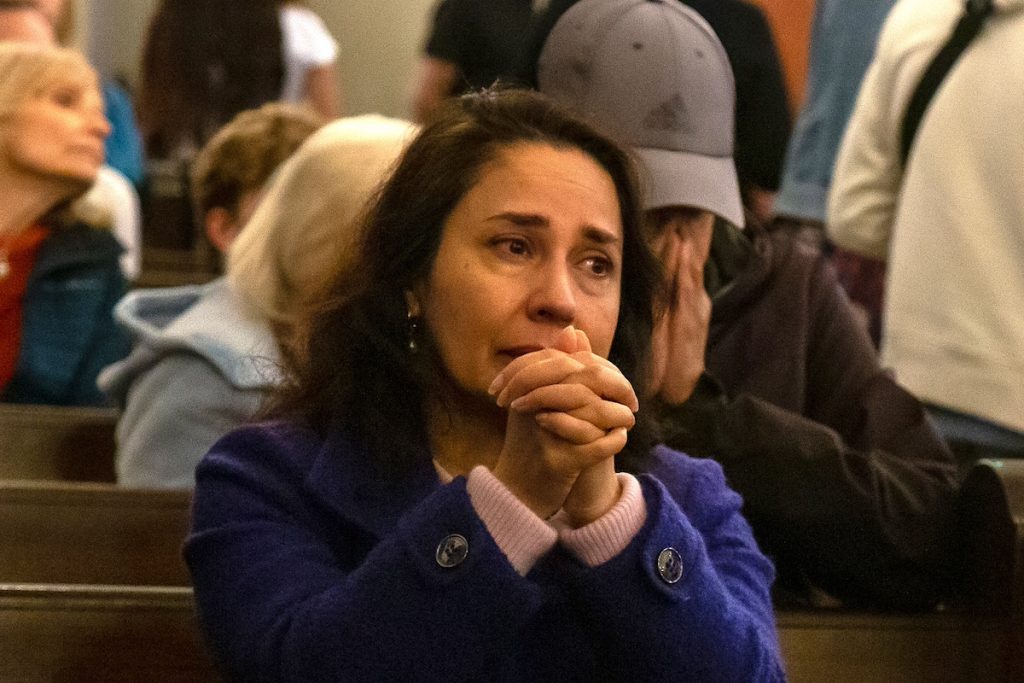
In the name of compassion, you try to listen closely and empathize. You watch their eyes drift blank as they envision the dramatic pictures they saw — yellow flames and red embers amidst mountains of smoke, fleeing from their homes, which they later learned were destroyed …
You hear their voices buckle and watch their eyes tear up …
And then, when they’re finally through, you notice how they continue to stare at you, hoping you might have a meaningful response. And you can only you stare back and nod. You’re painfully aware you have no cathartic answers for them, though they continue staring at you as if you might be able to provide something to assuage their pain …
This week my work — and personal life — brought me in contact with people who’ve lived at the center of the two major tragedy sites: the Eaton fire, centered in Altadena and the top of Pasadena, and the Palisades fires in Pacific Palisades and Malibu, some 38,000 acres of devastation in total.
(It’s hard to compare geographically, but in terms of a sense of impact on the L.A. community at large, for New Yorkers it’s as if there were sweeping fires that maybe destroyed 100 square blocks in the Bronx and 100 square blocks in Brooklyn, also keeping everyone in the vicinity on edge for days because firefighters couldn’t get them under control.)
For my part, after covering a story last week at the Westwood evacuation center, I traveled to the beach so I could get a look at the fire-burned hills up the coast in the adjacent Palisades. It was a memorable walk, taking place as police cars drove down Montana Avenue in Santa Monica, which had just become the southern boundary for required evacuation, announcing through loudspeakers, “This is a mandatory evacuation! You must leave the area at once!”
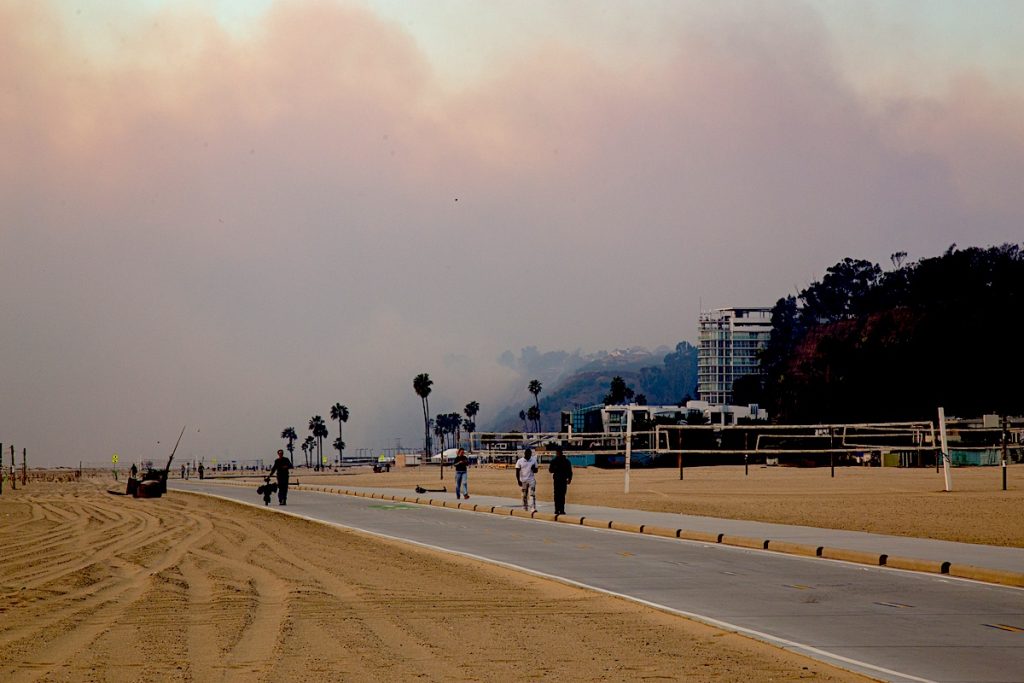
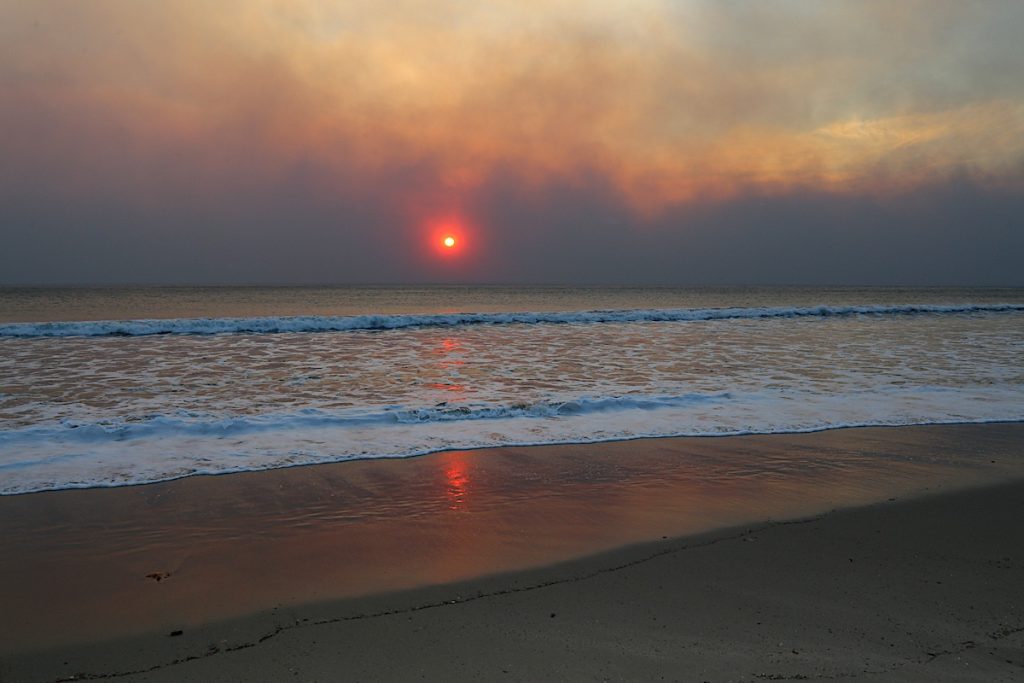
But camera in hand, I descended the Montana steps on the western cliff above the Pacific Coast Highway and walked out to the beach. The setting sun before me was a remarkable magenta color as the towering wall of smoke from the fires fell west. Winds were terrifically strong. As I marched along the wide beach into the Palisades, great blasts of sand and smoke pelted me like hail.
I was surprised to find many people had also ventured that way, despite the evacuation, on the pedestrian/bike path known as the Strand, stopping to see the fires burning in small patches on the hillside just across the PCH.
More remarkable was my experience going home, as I had no idea that a new fire — the Sunset fire — had erupted in the Hollywood Hills above Sunset Boulevard, about a mile from my apartment.
It was nearly 7 p.m. and I was oblivious, driving back through Beverly Hills along Santa Monica Blvd. I began to notice that there was a slow-moving line of traffic from the other direction that stretched far along the straightaway, and this seemed rather odd. Then, as I drew close to the West Hollywood border, I suddenly saw what looked like a tower of flames directly ahead above the road, the hills on fire. It looked like it was just blocks from my house, though I learned shortly it was farther than it appeared.

I would have immediately turned away, but for my cat, Bob, who was at home. With traffic descending from side roads too, I scrambled up to Sunset and over to my street, hurrying into my apartment as two neighbors already evacuating passed by carrying giant bins of stuff.
I hadn’t thought twice about preparing in advance, but now dashed around the place throwing a ridiculous melange of items into a suitcase and backpack. I brought them down to the car and then took a moment to run outside and up to Sunset, where I encountered a couple that seemed to rather casually be walking their dog.
“Are you leaving?” I asked.
“Yeah,” the man said with the inviting bendy drawl of the SoCal native. “It’s getting gnarly.”
After finally managing to wrestle Bob into the car sans cat carrier, I gratefully headed to a friend’s house in Mar Vista, near Venice, where I spent the night in a fog. And though we returned the next day following news that the fire had been arrested, the drama trauma of the whole experience has left me markedly shaken all week.
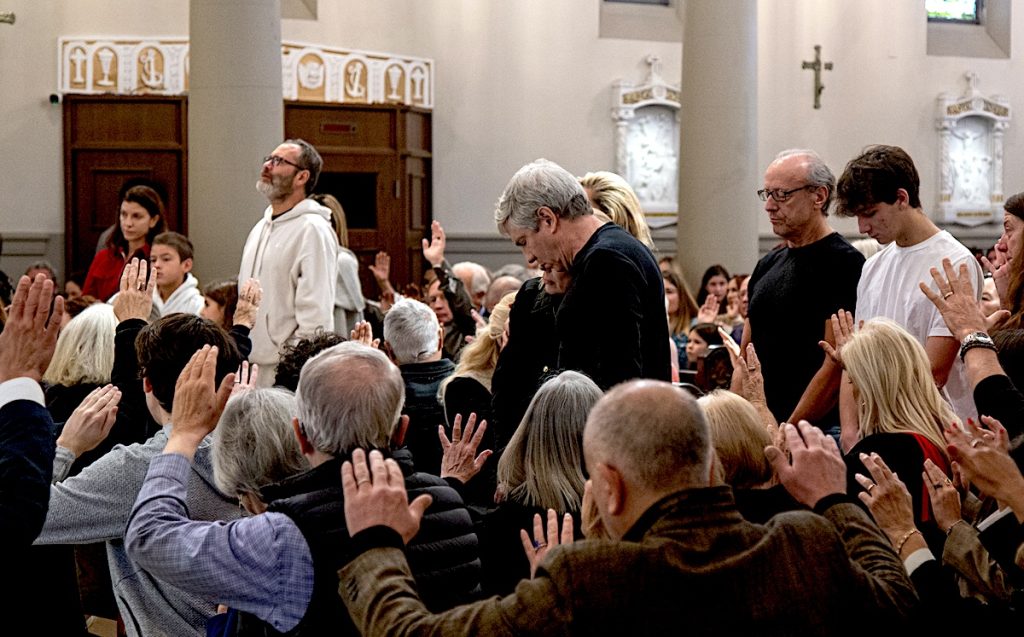
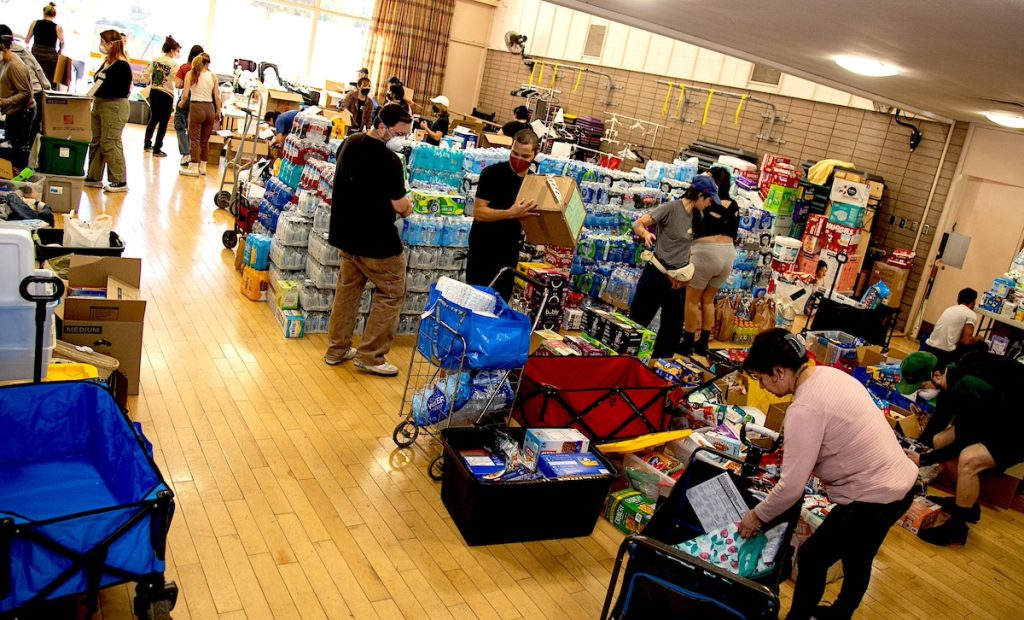
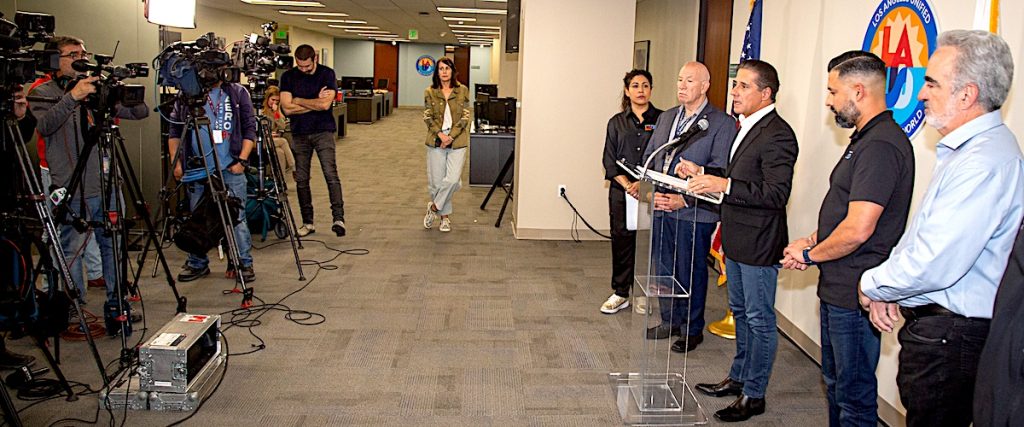
Meanwhile, work has taken me on a range of fire-related stories, including special church and synagogue services, impromptu recreation camps for displaced kids, temporary homes and hotel rooms, press conferences and busy donation centers.
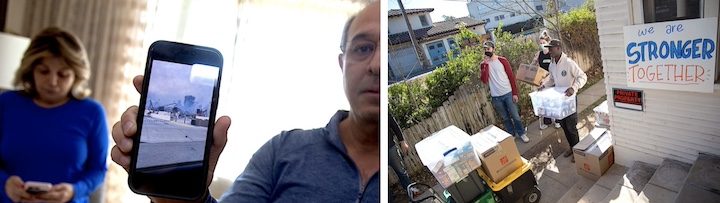
“It’s just been hard, dealing with the loss .. Dealing with all the kids’ emotions, our emotions, finding a place to live,” one father, formerly of the Palisades, told me.
And while the gloom of all that’s happened is present and palpable, the sense of a caring community seems to keep showing itself in various ways.
“We also have been unbelievably touched by the people that have reached out to us, kids I grew up with, families I grew up with, perfect strangers,” one former Palisades resident who lost her home told me.
“So I often feel like we’re crying because we’re mourning, but we’re often crying because we’re overwhelmed by the kindness.”





Wait, you have a cat named Bob?
I heard you were headling at Flappers this week in Burbank where Leno started out. Tuff crowd man, funny on your feet though you are…good luck!