
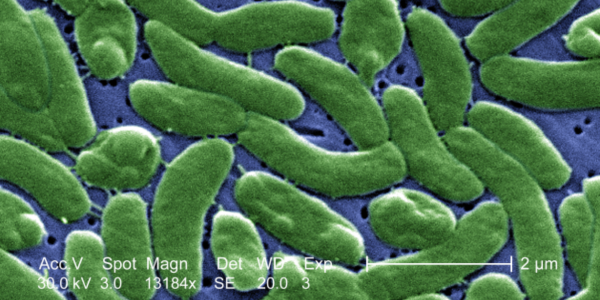
WESTPORT–The state health department is cautioning beachgoers and saltwater bathers: beware the potentially life-threatening, sometimes flesh-eating bacteria.
Vibrio vulnificus, a germ that is acquired by swimming with an open cut or eating raw or undercooked seafood – especially oysters – was discovered in one person in February, the Connecticut Department of Public Health (CT DPH) said in a statement. That individual became ill from eating contaminated oysters – which were from out of state. The person later recovered, the agency said.
But the department also reported that, while vibrio vulnificus infection is rare, Connecticut has been seeing one or two cases each year.
“On the prevention side, residents with open wounds are urged to avoid swimming in brackish or salt water as this is a risk factor for infection,” the CT DPH statement said. The Centers for Disease Control and Prevention (CDC) cautions that open wounds include not only cuts and scrapes, but also recent surgery sites, piercings and tattoos.
Beyond staying out of the water, the CDC advises covering wounds completely with a waterproof bandage even for those who could inadvertently come into contact with coastal waters or raw seafood or their drippings or juices.
Vibrio vulnificus can cause severe and life-threatening infections, sometimes leading to necrotizing fasciitis, in which the flesh around an open wound dies.
“Many people with Vibrio vulnificus infection can get seriously ill and need intensive care or limb amputation,” the CDC says. ”About 1 in 5 people with this infection die, sometimes within a day or two of becoming ill.”







Recent Comments