
By Gretchen Webster
WESTPORT–A recent tracking survey by the National Restaurant Association found that three out of four restaurant operators across the country say that recruiting workers post-COVID-19 pandemic is their biggest challenge.
Westport business owners in the food-service industry are no exception.
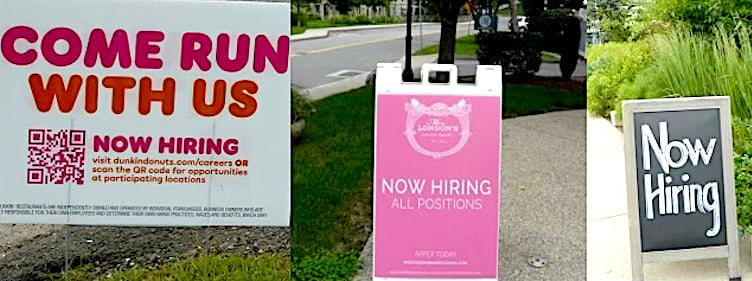
Because of an acute labor shortage here, Westport restaurants are cutting hours, reducing menu offerings, trying to raise wages and advertising non-stop for workers, particularly “front-end” employees such as bartenders, wait staff and counter help, according to local owners.
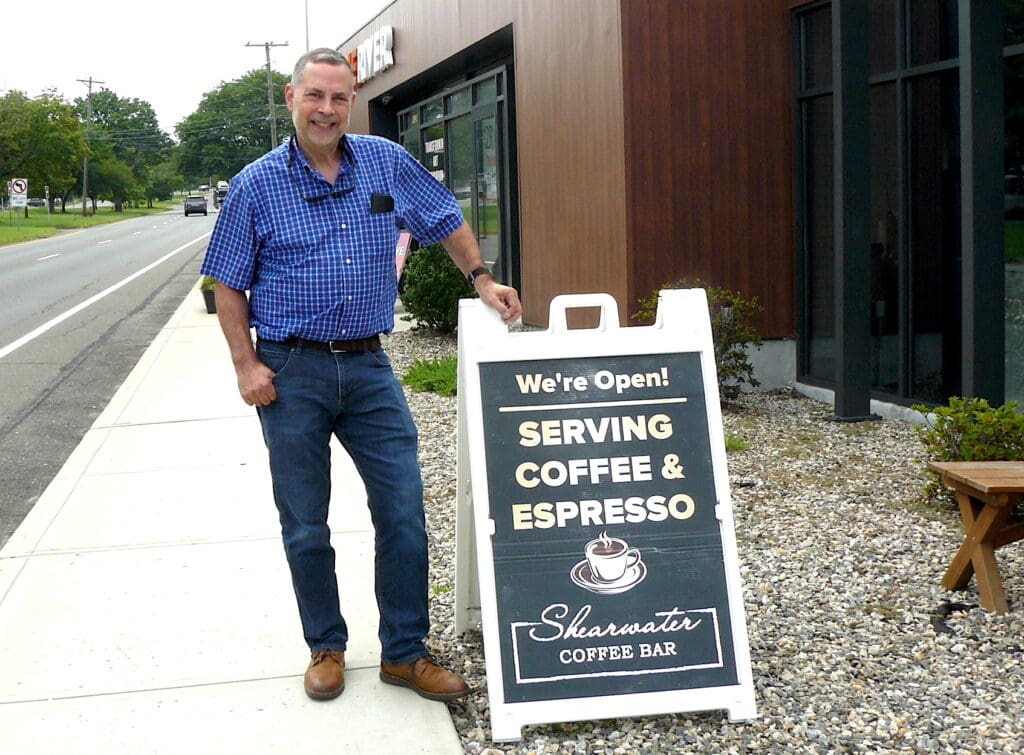
“Everyone is in the same boat — there are not enough candidates,” said Ed Freedman, owner of Shearwater Coffee bars in Westport and Fairfield. “You could go to almost every restaurant in town and there is a sign, ‘We’re hiring.’ ”
“It’s not an easy thing,” agreed Maurizio Ricci, owner of the Romanacci restaurant in Saugatuck and six other area restaurants, who said is constantly looking for additional staff.
And the COVID-19 pandemic has made hiring workers much harder, restaurant owners agree.
Businesses suffer hiring crunch as COVID concerns linger
“There is a shift in how people want to work,” said Matthew Mandell, executive director of the Westport-Weston Chamber of Commerce. “The pandemic gave them an opportunity to consider other ways to work.”
Other types of businesses in Westport have also been hit hard by labor shortages besides restaurants, Mandell added.
“It’s difficult to find people to do the same jobs that they were doing before. People want to change the way they live.”
But when it comes to labor shortages in town, “it’s primarily restaurants,” he observed. “The restaurant business is certainly difficult — many hours and the pay isn’t great.” Plus, restaurants are dealing with other pandemic-related problems such as food shortages, he noted. Chicken wings, for example, have quadrupled in price as a result of pandemic shortages, he said.
Higher pandemic-era unemployment benefits and stimulus checks are blamed by some for keeping workers home. But those associated with the restaurant business say there are also other factors contributing to the current labor shortage in the food-service business, either temporarily or permanently.
More retirements mean more job openings
Across the employment spectrum, workplace difficulties brought on by the pandemic — including constant sanitizing, mask wearing and the risk of infection — prompted many older people to retire. Others were forced into retirement, and many industries had higher retirement rates than usual in the past year.
According to the Pew Research Center, 3.2 million more Baby Boomers retired in the third quarter of 2020 than in the same quarter in 2019. As a result, vacancies opened in other occupations more attractive to younger people than restaurant work, said Jason Varga, manager of both Shearwater coffee bars.
“Younger people switched career paths,” he said. “A lot of people are trying to get out of the service industry because it’s been so tough in the past year.”
“They are looking for more stable industries,” agreed Freedman, who said he’s seen a shift away from service industries among younger workers.
Some restaurant workers are looking for jobs that may fit their lifestyles better, Ricci said. “They are taking delivery jobs,” he said.
With an increase in delivering food and other product during the pandemic, some former workers in the restaurant industry, who often work part-time, have switched to driving for Uber Eats or other food-delivery or shopping companies. “They can make their own schedule,” Ricci said, and the delivery jobs may be less stressful, without a lot of personal contact with customers.
Changing attitudes about work conditions
And for some, it’s simple: They like working from home. Over the past year, a vast majority of the workforce worked remotely from home at least part of the time during pandemic lockdown. Some restaurant personnel are now reluctant to return to a front-facing service-industry job and are looking for, or have taken, other jobs where they can work from home, several restaurant owners agreed.
They can eliminate their commute and work in a more relaxed work environment than in a restaurant.
Other factors affecting restaurant employment include include the fluid nature of the industry and the labor pool – students who come and go, for instance – and lower wages.
“The shortage is creating a competitive situation for salaries [among Westport restaurants], but restaurants can only offer so much,” Mandell said.
Restaurateurs, including Ricci, say they try to offer as salaries as high they can to their workers while keeping their businesses afloat, but that many food workers still must depend on tips.
There are solutions, however.
Freedman said he is waiting for Fairfield, Sacred Heart and University of Bridgeport students to return to campus in the fall to help fill staffing gaps at his Fairfield coffee shop, while Ricci said he will soon be losing young Westport residents who attend college elsewhere. Instead, Ricci plans to use personal contacts, including family and friends, to spread the word that he is looking for additional staff.
Some restaurants have cut operating hours, opening mainly on weekends for dinners, or are opening later in the day and closing for lunch.
But autumn may bring back some of the food-service labor pool, according to Mandell. Since higher unemployment benefits may be keeping some workers at home, that issue is temporary, he said. “It will be over in October,” he said, after extra federal jobless funding ends.
A new post-pandemic economic initiative launched by town government and local businesses — choosewestport.com — includes a listing of local job openings.








Recent Comments