

By Andy Brophy
WESTPORT–In October 2019, Westport native Tom Karrel and his father, John, walked out of a Chipotle’s in Darien and encountered a man walking in.
The man was wearing a medical mask and carrying latex gloves, before COVID-19 had emerged in the United States, and looked slightly confused.
Karrel said he felt prompted to ask how the man’s day was going, and the man responded he thought that day was the best of his life. When he felt encouraged to continue, the man said he’d just become a grandfather and was picking up lunch for his daughter and son-in-law.
“On the drive home, my dad opens up about his own memories of becoming a father to my brother and me, and I find myself sharing hopes I’d never voiced with him before about starting my own future family,” Karrel said in an interview at Starbucks. “One question to a stranger had unlocked a deeper level between us.”
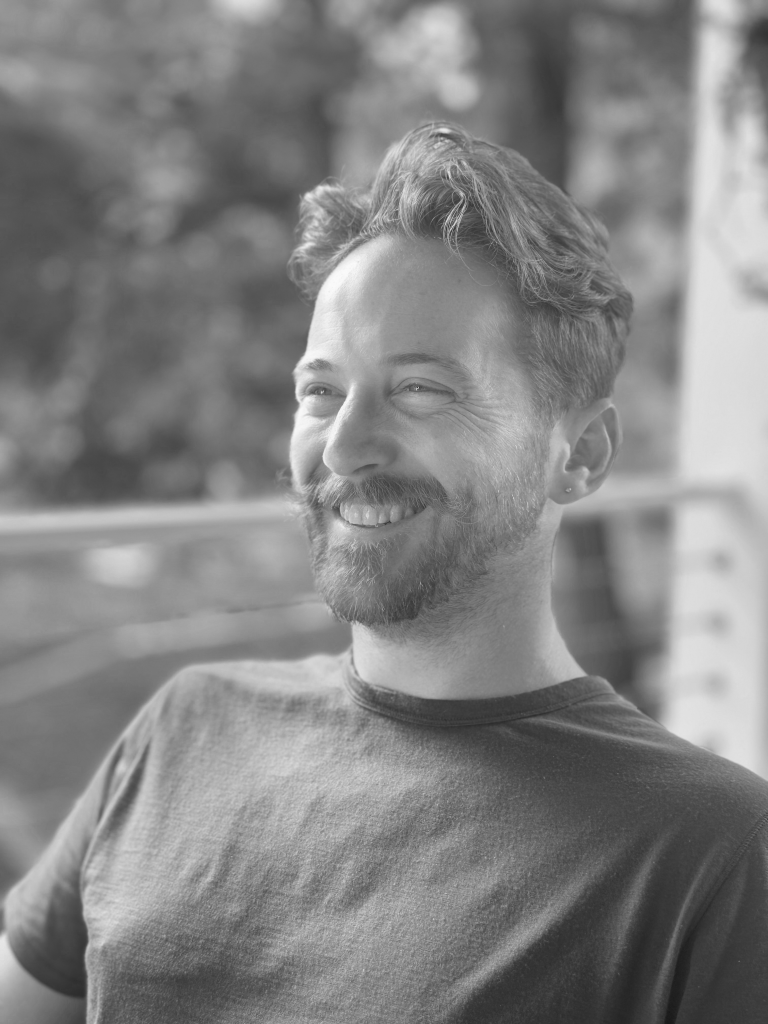
The decline in meaningful conversations and deeper connections, due in large part to technology, led Karrel, 32, a 2012 graduate of Staples High School, to write a newly-published book, “The Lost Art of Random Conversations.”
The 208-page book, published by Lost Art of Random Conversations LLC and the first book Karrel wrote solo, is designed to help people recover what the Internet and smart phones have eroded – conversations that go beyond the surface and that can enrich, enlighten and delight the people who have them.
Technology, Karrel said, has created more surface-level conversations, shorter attention spans, greater need for instant gratification, and decreasing tolerance for boredom, from which reflection and ideas often come. And advertisements and air-brushed presentations of people’s lives can cause others to believe they need to change or be fixed, Karrel said.
Prolonged isolation due to technology also can cause health problems and lead people to lose touch with their purpose in a community, Karrel said. “If no one needs them, what’s the point?” he said. “Humans have evolved and survived because we are connected creatures … We’re all designed to contribute to a community in some way.”
But technology has benefits and is not solely responsible for the erosion of meaningful conversations and connections, Karrel said.
He said people in the 1800s, for example, lived in smaller communities and their survival and well-being often depended on people around them. “Communities were a lot more intimate,” he said.
And technology allows people to reconnect with friends they once had, meet new people and build communities of strangers with similar interests. It also provides information on, for example, home gardening, fixing a car and how to improve a relationship, Karrel said.
But the value of eye contact, being physically present with someone and the inability to immediately end a challenging conversation are largely lost, he said. And the constant stimulation from smart phones can be exhausting, he added.
“The problem becomes when technology is a crutch or replacement for genuine human interaction because I think we scroll and go through our phones a lot of times because it’s filling the space of us becoming bored,” he said.
Overall, Karrel said he believes technology has had a negative impact on human connections. “Smart phones and social media are when it became a negative,” he said. “I think it’s so distracting in harmful ways.”
Karrel attributes his interest in writing to growing up in a family of artists: His father is a musician who plays the violin and viola; his mother, Susan Lloyd, creates hardwood seashells; and his older brother, Owen Karrel, draws and is a cartoonist. “I always wondered what makes me creative and figured words was it,” Karrel said.
Karrel said he’s loved books since childhood and started writing his observations in a journal in middle school.
And Karrel said Lenny Klein, a finance and accounting teacher at Staples High School with whom he had a good rapport, encouraged him to be outgoing, try new things and meet new people.
Karrel said he came up with the idea for “The Lost Art of Random Conversations” when he lived in Uganda for five years in his 20s.
Whenever Karrel came back to the United States, he said he wanted to share what he’d seen and found challenging but didn’t know how to get beyond the surface.
Restoring meaningful conversations can start with people not taking out their cell phones and instead looking at people, noticing their surroundings and using whatever they notice to start a conversation, Karrel said.
Sometimes, such conversations can create a ripple effect that leads to more conversations and the realization “that people around them … are interested in them and care about them,” he said.
“Meaningful conversation energizes everyone involved. When both people are feeling seen, heard and understood, we start to feel better.”
But fear of rejection and embarrassment often prevents people from trying to initiate a face-to-face conversation, especially with someone they don’t know or don’t know well, Karrel said.
Karrel and his girlfriend, Taylor Freeman, are back in Westport for a few weeks, after touring 31 states in an RV, during which Karrel wrote “The Lost Art of Random Conversations,” and they plan to move to Santa Barbara, California. this fall.
They’ve hosted in-person events on skills and tools in Karrel’s book and plan to continue hosting such events in Santa Barbara and Lafayette, Colorado. “We’re looking to build up an in-person consistent following. The structure helps people put their guard down,” he said.
For information on Karrel’s book and how to order it, check www.RandomConvo.com. You can reach him by email at tom@randomconvo.com.



Recent Comments