
by Jarret Liotta
NEW YORK, N.Y. — I’ll be honest, I wasn’t rushing to get my COVID vaccinations when I did — not for political or conspiracy reasons, but mainly because I’m lazy, I’m extremely cautious and aloof when dealing with others, I’m generally healthy, and I really hate needles.
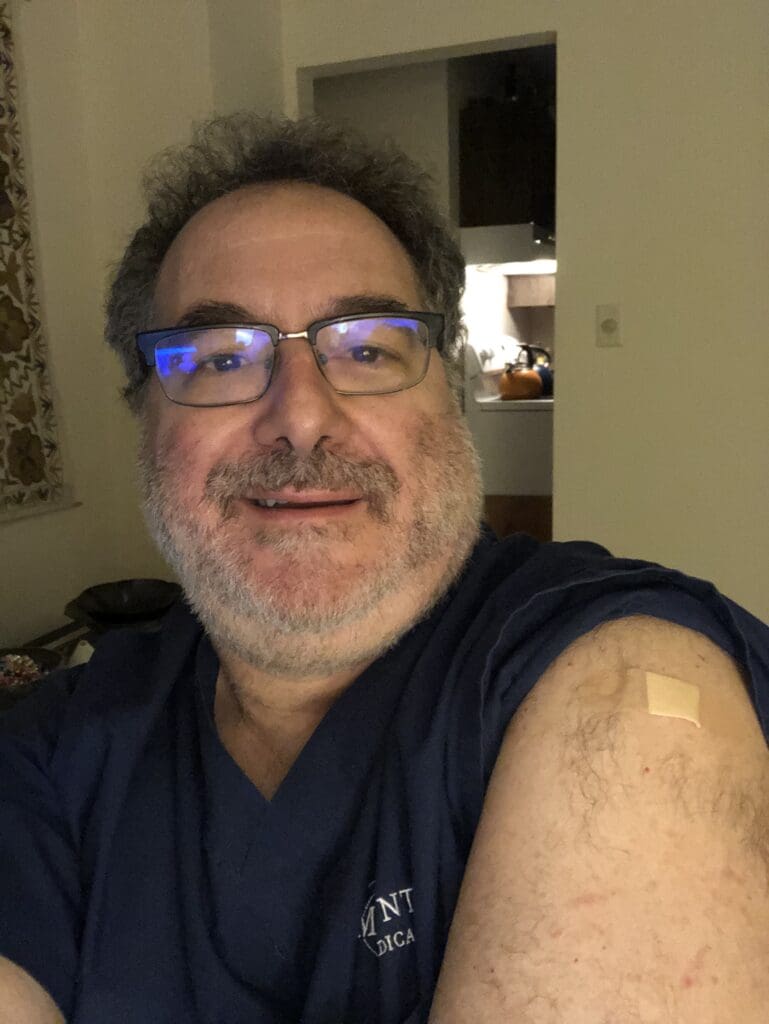
But following my kids’ urgings — and that of my oldest best friend, Dr. David Witzel, with whom I grew up in Westport — I decided, “What the hell! Maybe I’ll meet a pretty nurse at Norwalk Hospital.”
It was, therefore, a bit surprising and rather spooky to learn last week that David had — ironically — gotten tremendously sick for almost two weeks after contracting the COVID Delta variant last month.
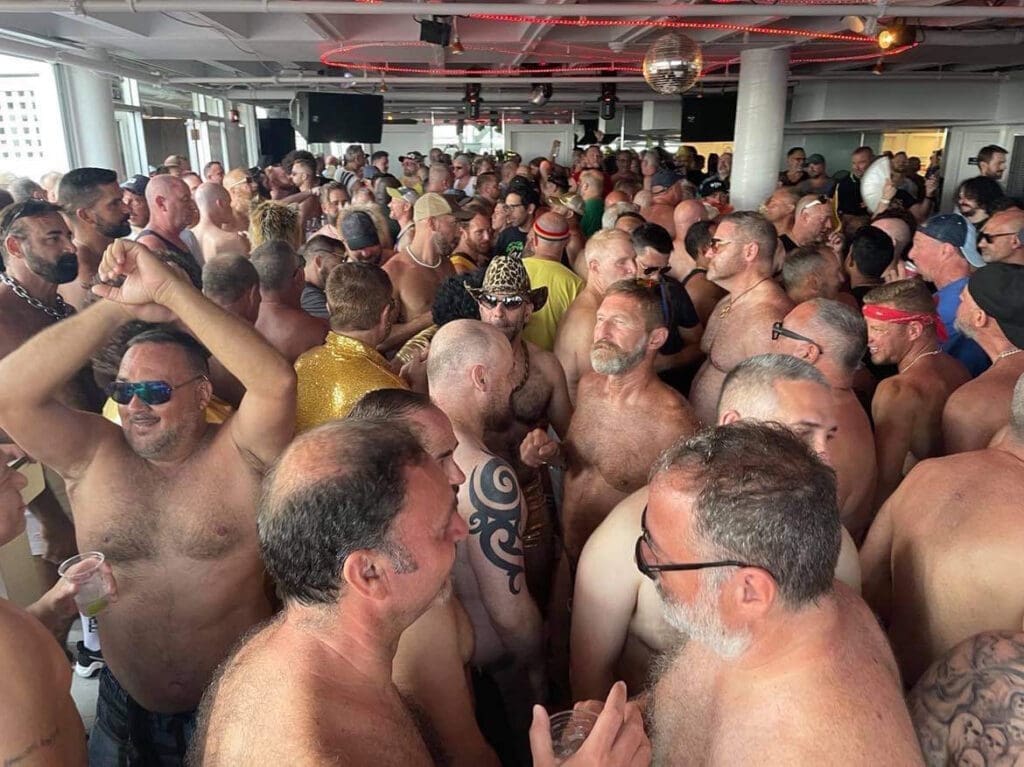
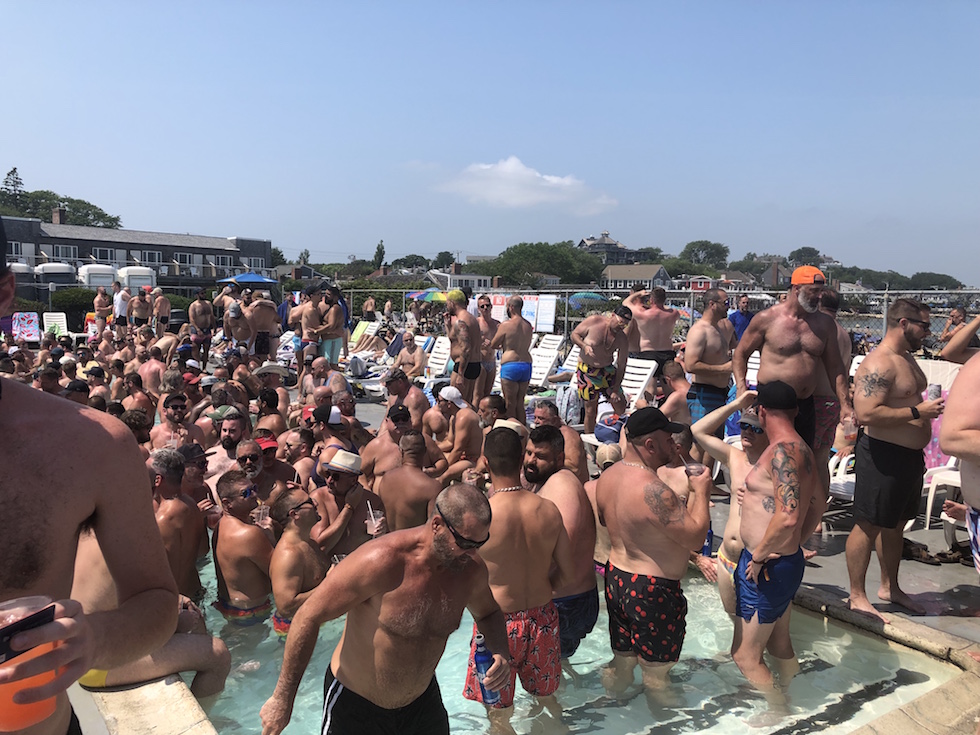
Interestingly, he was among the somewhat notorious group of gay men taking part in “Bear Week” at the resort town, making up what has since become known as the Provincetown, Mass., COVID cluster, which the Centers for Disease Control and Prevention (CDC) cited for implementing its latest indoor mask advisory.
David was there for the first time to party — recently divorced and curious for the experience — but he had no inkling what he was getting into in the process.
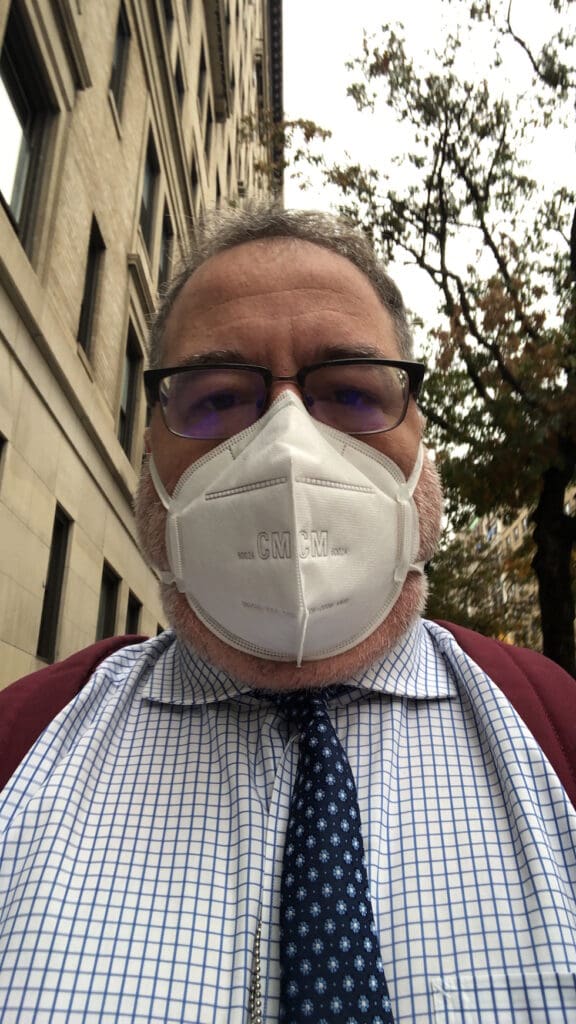
“I would say I’ve been following the CDC guidelines all along,” he said, almost religious about his mask wearing at work, and in and out of doors throughout Manhattan, where he lives.
After he and a friend arrived in Provincetown on July 12, he reported that — despite immense, close-knit crowds and a substantial Mardi Gras-like culture of abandon and physical interaction — there wasn’t a mask to be seen.
Still, he said, CDC guidance presumed those who were vaccinated were safe, so masks were optional inside and out, with breakthrough cases extremely rare at this point.
“I could have been, maybe, more cautious, but I wasn’t going to overthink the experts,” David said.
Heading home on July 17, however, he developed a very slight cough in the car. By that night he had a fever and chills, and that’s when he just knew he had it.
While he said poignant bouts of food poisoning may have been more acute for a limited period of time, overall he has never been so sick in his whole life.
For over a week he suffered under a fever that didn’t go below 101 degrees, with accompanying chills, dizziness and extreme fatigue.
“I lost the sense of smell and taste,” he said. “The fever was unrelenting, nonstop basically, for like a week, and by Day Five the nausea kicked in.”
Other challenging symptoms — along with fervently grinding his teeth for the first time ever, and repetitive episodes of biting his tongue — included severe depression coupled with some cognitive impairment, which made the overall experience that much more challenging.
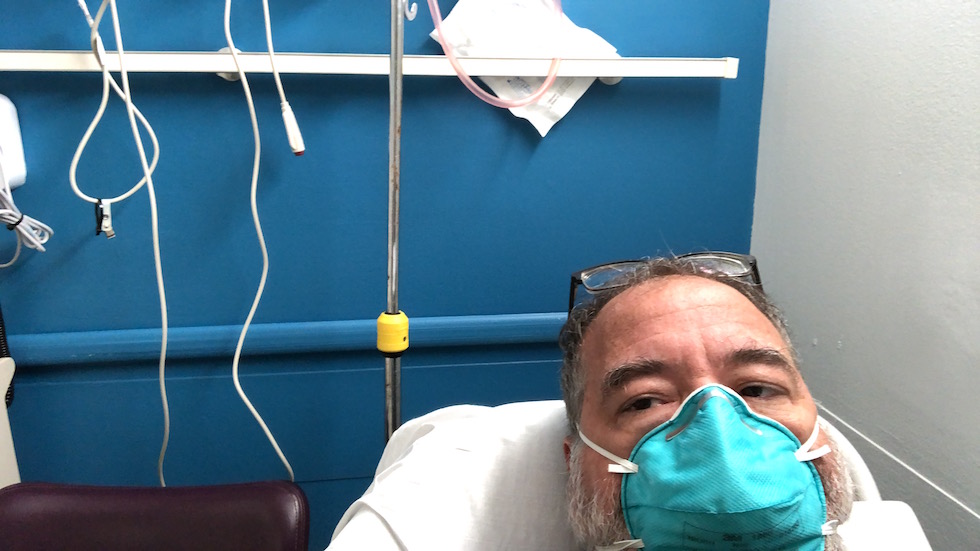
It’s over three weeks later and, while he’s technically recovered, some symptoms persist intermittently.
Ironically, rather than focus on the frustration of having gotten the illness at all, David remains practically thrilled that he was vaccinated, as he speculates it could have been even worse and possibly life-threatening.
“Thank god I didn’t get this until after the vaccination,” he said.
Being overweight, he said, along with having high blood pressure, puts him in a higher risk category, so it’s possible the shots made a key difference.
“It didn’t stop me from getting it, but maybe it saved my life,” he said.
Seeing it through a doctor’s lens, he speculates that it’s possible the effectiveness of his original shots could have waned, for his first was in mid-December when they first became available.
“The immunity may wane,” he said. “People who got it recently might have been more protected.”
And while he raised an eyebrow toward the drug companies for their original claims that two shots were enough, and now a third may be necessary, he also understands the nature of science.
“This is what science is,” he said. “You get more information. You change it. You update your knowledge and recommendations.”
Likewise, he commended the response to Provincetown.
“They updated the guidelines really quickly,” he said. “I’m sort of impressed with the CDC for that.”
On the vaccinations, his advice remains the same. “It was serious and I was vaccinated. Get the vaccine,” he said, noting his mask is being worn regularly once again.






Recent Comments