
By Gina Zammit, on behalf of Nuvance Health.
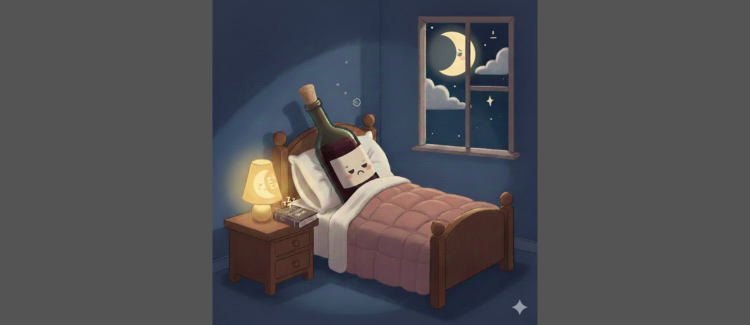
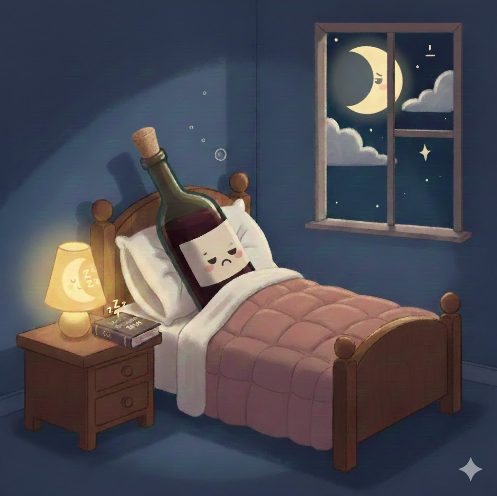
WESTPORT–For many Westporters, a glass of wine at The Bridge feels like the perfect way to end the day. However, relying on alcohol to fall asleep can be counterproductive, affecting both the quality and architecture of your rest.
I spoke with two experts: Dr. Christopher Manfredi, a Doctor of Osteopathic Medicine specializing in sleep medicine and Registered Dietitian Laura Nahins to learn more about why you might want to rethink that nightcap.
The myth of alcohol as a sleep aid
While alcohol can act as a sedative that aids in falling asleep faster, it comes at a cost. Dr. Manfredi explains that alcohol increases “micro-arousals” — brief awakenings during sleep that most people don’t even notice.
It can also make sleep apnea symptoms worse by further relaxing the airway and increasing snoring in addition to sleep interruptions.
Relying on alcohol to sleep is often a sign of an underlying problem.
“Whenever you have a belief system that you need a substance to make you sleep, you’re already in trouble,” he notes.
How alcohol disrupts sleep
Sleep is made up of different stages, each vital to overall health.
“The stages of sleep are like food groups,” says Dr. Manfredi. “One is not more important than the other. You have to have a balance.” Alcohol interferes with this balance, reducing the quality of REM sleep: the stage critical for memory and cognitive function.
Short-term effects include disturbed sleep for that night and next-day fatigue. Long-term, chronic alcohol use can create persistent sleep problems, even after a person stops drinking.
Registered Dietitian Laura Nahins notes that disrupted sleep can affect hormones like ghrelin, which regulates hunger.
“If you’re drinking and not getting enough quality sleep, it can increase your appetite and make it harder to maintain healthy eating habits,” she says.
Timing and quantity matter
Both experts agree that timing is crucial. Alcohol should ideally be consumed at least three to six hours before bedtime. Light social drinking (one drink for women or two for men) typically doesn’t pose a major problem if it’s spaced well before sleep. Heavy or chronic consumption (drinking most days or exceeding roughly two drinks per day) can significantly impact sleep quality and overall health.
“It’s not about avoiding alcohol entirely,” Dr. Manfredi explains. “It’s about being mindful of timing, quantity, and your own individual tolerance.”
Practical tips for better sleep
- Hydrate and nourish: Drink a glass of water for every alcoholic beverage and avoid drinking on an empty stomach.
- Sleep environment matters: Reserve your bed for sleep only; avoid watching TV or using devices in bed.
- Consistency: Wake up at the same time every day, even on weekends, to reinforce your circadian rhythm.
- Explore alternatives: Laura Nahins recommends mocktails with magnesium or cherry juice as a soothing nighttime ritual without the downsides of alcohol.
Dr. Manfredi emphasizes the broader point:
“No substance is necessary to fall asleep. If you believe you need something, it keeps you trapped in a cycle. Addressing the root causes of sleep difficulties whether behavioral, medical, or environmental is far more effective than relying on alcohol or other substances.”
Need help getting a good night’s sleep? Find a Nuvance Health sleep medicine specialist near you.
While a nightcap may help you nod off, it disrupts the restorative sleep your body truly needs. For better rest, focus on timing, moderation, and healthy sleep hygiene. Your mind and body will thank you in the morning.
Nuvance Health, now part of Northwell Health, has sponsored this content for Westport Journal. Nuvance Health is a system of nonprofit hospitals, medical practices and outpatient healthcare services throughout the Hudson Valley and western Connecticut, including nearby Norwalk Hospital. Visit nuvancehealth.org for more information.







Recent Comments