
By Kerri Williams
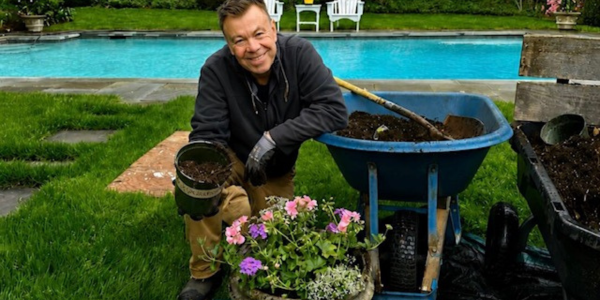
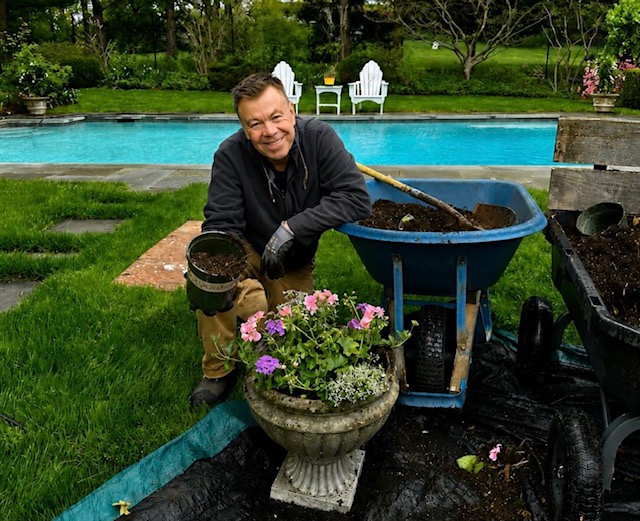
Ah, May! The month that seasoned gardeners love to get their hands in the soil, planting flowers and vegetables for the season and fine tuning their garden spaces.
But what about those new to gardening? The idea of creating a beautiful garden space can be exciting but also overwhelming. And nurseries loaded with plants and people can add to the confusion.
Getting out in the garden can be both a rewarding and healthy endeavor. Gardening is known to be a good workout that reduces stress and even encourages healthy eating of home-grown produce.
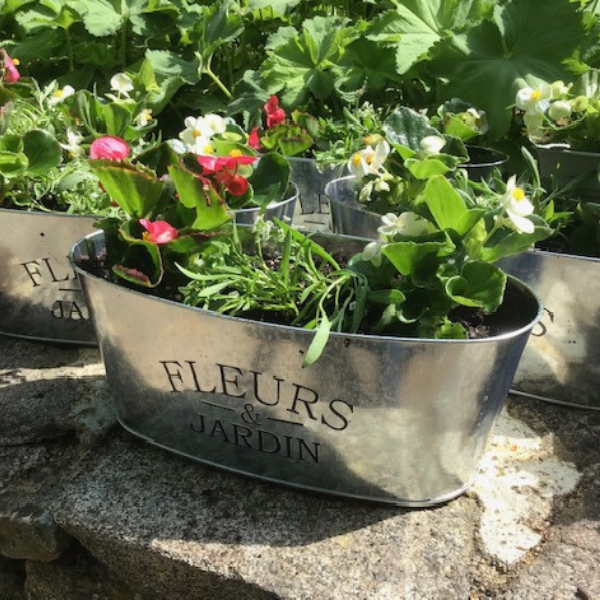
Photo by Kerri Williams- Photo Kerri Williams
So, how to get started? Paula, a Westport resident and garden club friend, says the first thing to do is get outside your home and observe. Note how much light your garden areas receive – and for how many hours a day. Feel the soil to determine if it is wet or dry and note whether you have easy access to water.
Paula also recommends testing soil through the University of Connecticut agriculture center. Once tested, you know how to augment the soil to create the best growing conditions.
After getting to know your yard, you can think a little about what you might like to grow. When I first started gardening, I was naturally drawn to herbs because I loved their foliage, their different scents, and their uses in both cooking and crafting. Luckily, I had a small, sunny patch in my backyard and a local nursery, Gilbertie’s Garden Center, that specializes in herbs.
I consulted the book by Sal Gilbertie, “Herb Gardening from the Ground Up,” where I found many herb garden designs and settled on one that I wanted to replicate. My first attempt wasn’t perfect. I made lots of mistakes. But I ended up with oodles of herbs that I used in my cooking and crafts for years to come.
Sal’s daughter Cathy, who does communications for Gilbertie’s, said that making mistakes early on like I did is inevitable and that beginning gardeners should allow themselves some grace. What doesn’t grow one year may do better the next, so she urged people not to give up on a certain plant right away.
Cathy also suggests that new gardeners start small, perhaps by just planting a few pots or a small bed like I did. The new gardener can get carried away by creating a space that requires a lot of upkeep, which can take the fun out of the hobby. It’s important to assess the spare time you have to tend to your plants, she stressed.
Another thing that helped me along the way was finding gardening friends and mentors. My own parents helped me turn over the soil for my first garden, with my mom showing me how to properly place my tiny plants in the earth.
Our Aunt Bea, a long-time gardener with colorful beds all around her yard, was another early inspiration. She visited my little plot to help me determine why a plant might be struggling, and she shared plants that she was dividing to enhance my little garden.
Later, I had a great mentor in my friend Kim, a garden club member who lived down the street from me. Together, we explored local garden centers, and she steered me towards plants that would do well in my yard, which at that time was shady.
I cannot recommend enough getting involved in a local gardening club. Both the Greens Farms Garden Club and the Westport Garden Club have so much to offer. I have found gardeners to be among the most friendly and generous of people, always willing to share bits of advice.
Another local person who has lots of gardening knowledge to share is Paul Rossi, who is on the board of Wakeman Town Farm. When he found out I was working on this article, he sent me loads of information on getting started.
Like Paula, Paul advises starting with the basics and growing plants that work for the conditions in your yard. Managing pests is also important, which he does by creating proper spaces for airflow, providing consistent, deep watering and avoiding over-fertilization, a mistake some beginners make.
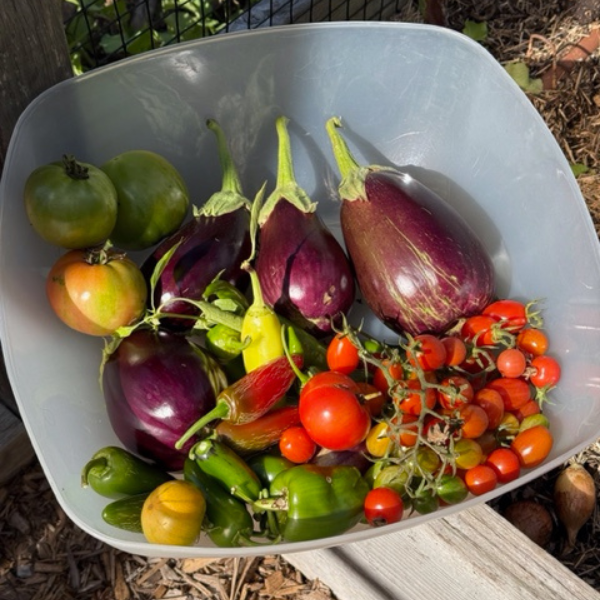
Some of the easiest vegetable plants to grow for beginners are resilient, high yield ones, Paul said. Those include: tomatoes, peppers, garlic, onion, lettuces, beans, peas, herbs and squash. Zucchini is famous for being extremely prolific, he added, with one plant often enough to feed a family.
For flowers, easy annuals such as marigolds, zinnias, and geraniums work well in both containers and flower beds, Paul said, providing continuous color and attracting pollinators. Some quick tips for container gardening include: always using quality potting soil, never garden soil or topsoil, and making sure all the plants in the same pot have identical sun and water requirements.
So, if you haven’t yet caught the gardening bug, perhaps it’s time to explore your own backyard for possibilities. If you are like me, it’s a journey that will bring a lifetime of joy. Just don’t forget to ask for help along the way.

Kerri Williams
Kerri Williams is an award-winning writer and journalist. She has worked as a reporter at the Norwalk Hour, as Living editor at the Darien News-Review, and managing editor for the Norwalk Citizen-News. For Westport Journal, she is a reporter as well as a gardening columnist, writing ‘Cultivating with Kerri.’ Williams moved from Connecticut to upstate New York in 2021.





Recent Comments