
By Linda Conner Lambeck
WESTPORT–The district plans a comprehensive review of the district’s special education program but not the independent audit some parents of special education students are seeking.
Despite one-on-one conversations with board members, emails and testimony provided to the board when it met Thursday at Staples High School, district staff and several members of the board indicated that a system wide evaluation of special education offerings and not an investigation of individual complaints was in order.
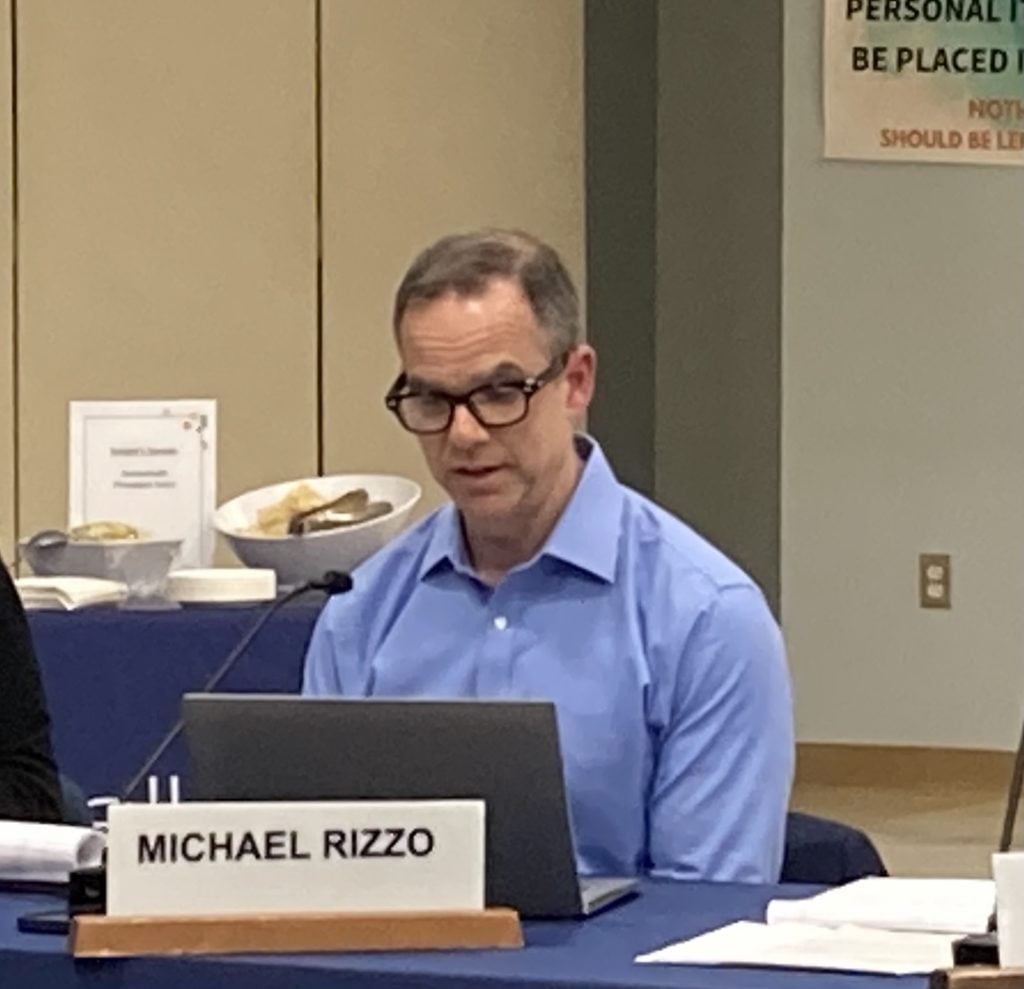
The goal is to ensure that the district’s special education programs are aligned, effective, and producing meaningful outcomes for students, now and into the future, Assistant Superintendent Michael Rizzo said in a memo presented to the board.
The plan is to conduct the review in the 2026-27 school year.
The idea is to build on the last district special education program review that occurred in 2017-18. Conducted by Cooperative Educational Services, a regional service provider, that review concluded that the district had a strong, well-functioning system, characterized by compliance with state and federal requirements, and effective inclusion practices that supported students in the least restrictive environment.
Parents who have had bad experiences with the district’s special ed services say that is not enough. They want a voice in the process and for the review to be conducted by an independent entity.
A consultant chosen or controlled by district leadership cannot serve that function credibly, wrote Julie and Jason Endich in a letter placed at the table before all board members at the start of the meeting.
“Any third-party special ed consultant must be fully independent and autonomous,” the Endichs wrote.
This review is different
Schools Superintendent Thomas Scarice told the board that the purpose of the special education review is to better understand how the system functions as a whole and to make it more effective.
He likened it to reviews that have recently taken place of the district’s world languages, social studies, and science programs.
It is not intended to be an audit and is not intended to focus on individual students.
Some 800 students receive services from the district’s special education department, according to officials.
“Mike and I see this as all encompassing,” Scarice said.
Rizzo said the district has a more robust system than it did in 2018.
The last evaluation recommended more alignment between special education and the general curriculum, increasing access to grade-level content, improving coordination during student transitions, and suggested the role of the Director of Pupil Services be elevated. Now that position is an assistant superintendent.
The district now has an expanded Intensive Resource Room program, programs to support students with significant social/emotional and mental health needs, and a stronger Connections Transition Program for students ages 18–22. In addition, the district has offered more training.
Rizzo said the new review will ask to what extent do district services align with student needs, support placement in the least restrictive environment, and result in positive student experiences and outcomes.
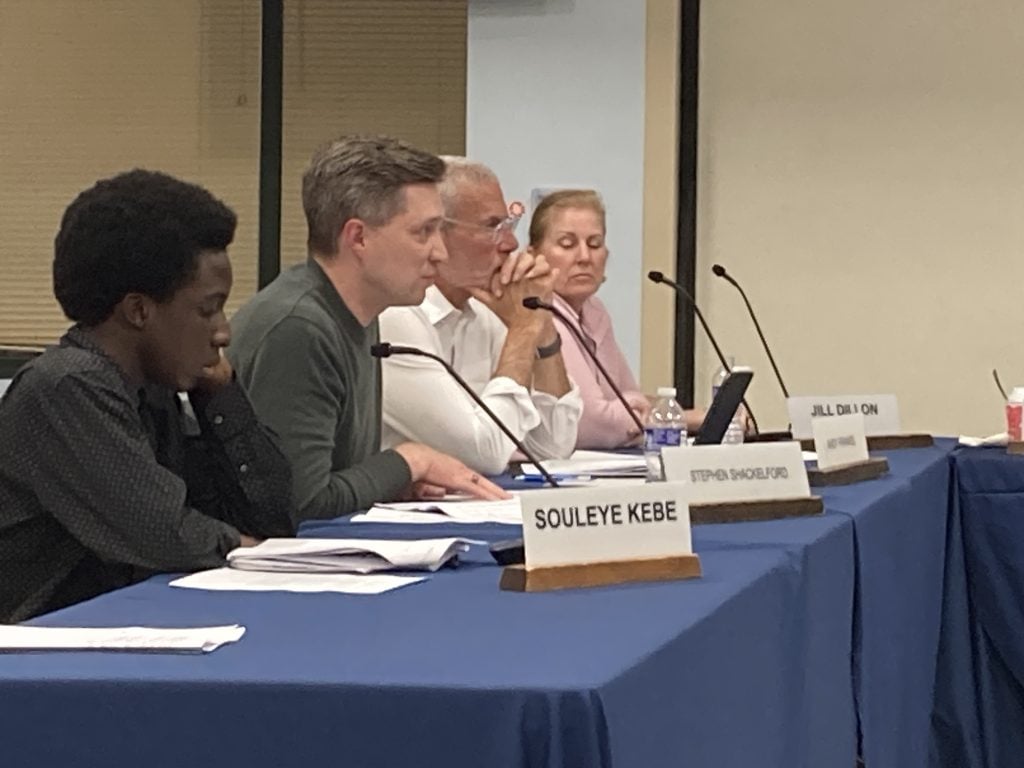
Board Member Stephen Shackelford said he would at least want the review to look at issues raised by members of the community. Those issues include paraprofessional training and the overall process of accessing and receiving services.
“I don’t want to have a process we go through where we don’t at least consider answering those questions,” Shackelford said. “Maybe program review is not going to address complaint x …(but) I want to figure out a way to involve (parents) in the process.”
Shackelford also wants the board to be more hands-on, knowing up front who the administration intends to hire as a consultant. For past program reviews that was left up to the administration.
Trust
Shackelford said he wants the consultant to talk to both parents who have had a great experience as well as those who have not.
“Does the board have a concern about how we would select (a consultant),” Scarice asked Shackelford.
Shackelford said the issue was not trust but simply that this is a different kind of program review.
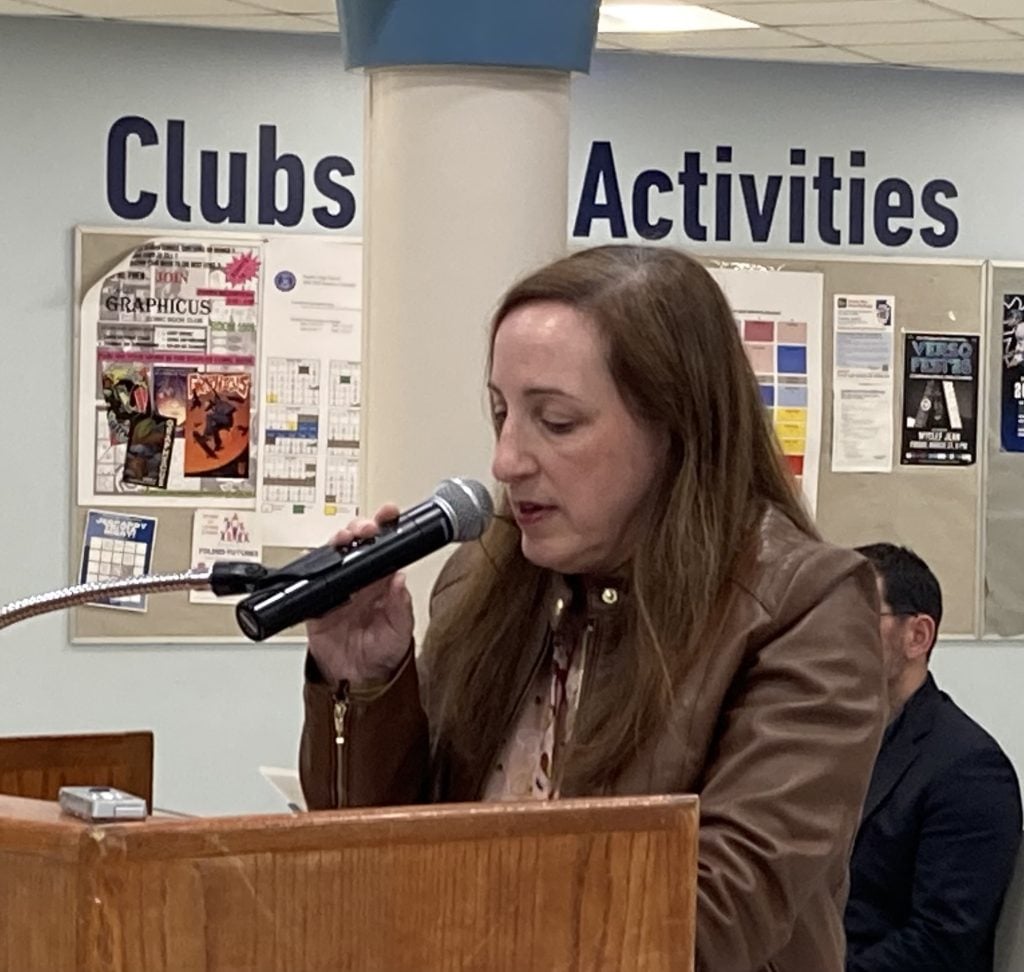
Board member Andy Frankel agreed.
While not wanting the review to turn into an investigation, Frankel said there are some common complaints that suggest there could be some systemic issues that need addressing.
Frankel’s hope is that the third-party reviewer could be someone with credibility with both the administration and community.
Board Chair Lee Goldstein said she doesn’t think parents should have a say in choosing who the district hires but she does want parents to be able to share their views with the chosen reviewer.
Rizzo said a review without honest parent input would not be valuable. He is already talking to vendors, both national and regional providers, he said. He would not say which ones.
Board Member Jill Dillon said she does trust the administration but added, “Parents want to be heard.”
Dillon suggested it would be beneficial to have a community conversation devoted to the special education topic.
Some board members thought that was a great idea. Others questioned the point when privacy laws prevent them from delving into individual student situations.
“The special education community is huge,” noted Board Vice Chair Dorie Hordon.
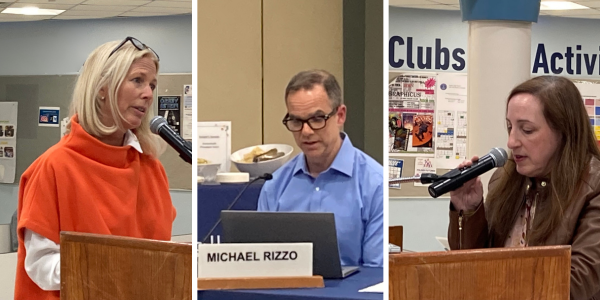
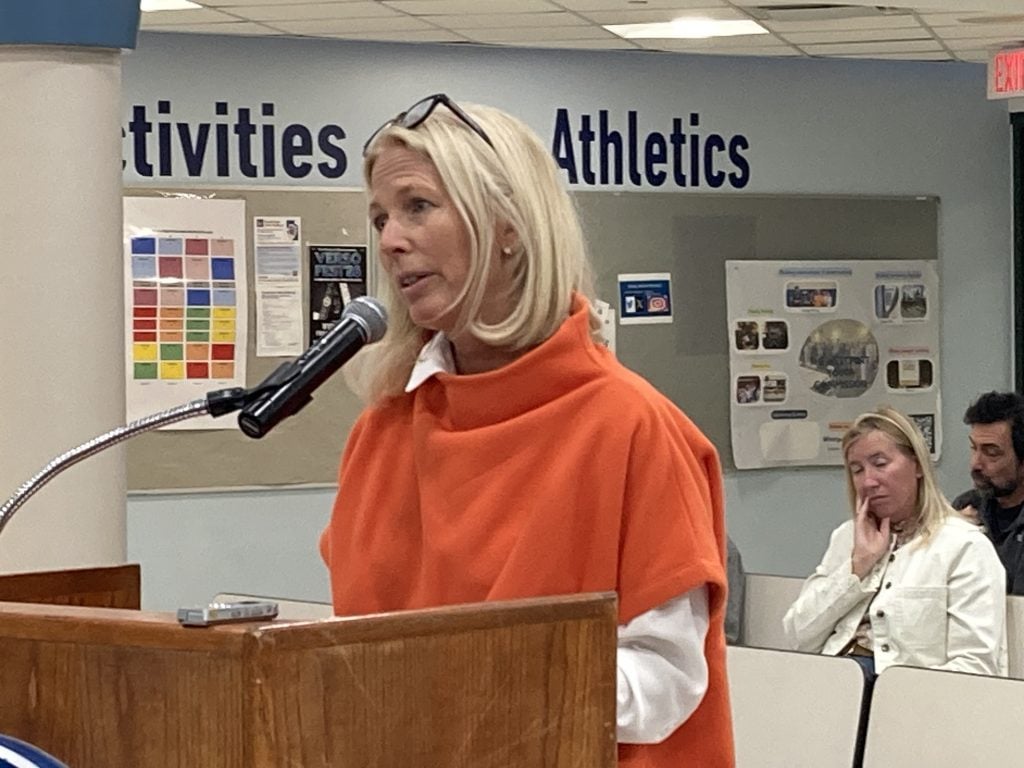
During public comment, Michelle Vitulich, a parent, said she loved the idea of a community conversation.
“It’s good to have a dialogue,” she said. “We have a problem in special ed. It’s not all of special ed. Problems are bubbling up and there seems to be some patterns and we need to identify them.”
She said it is also important to get the right consultant.
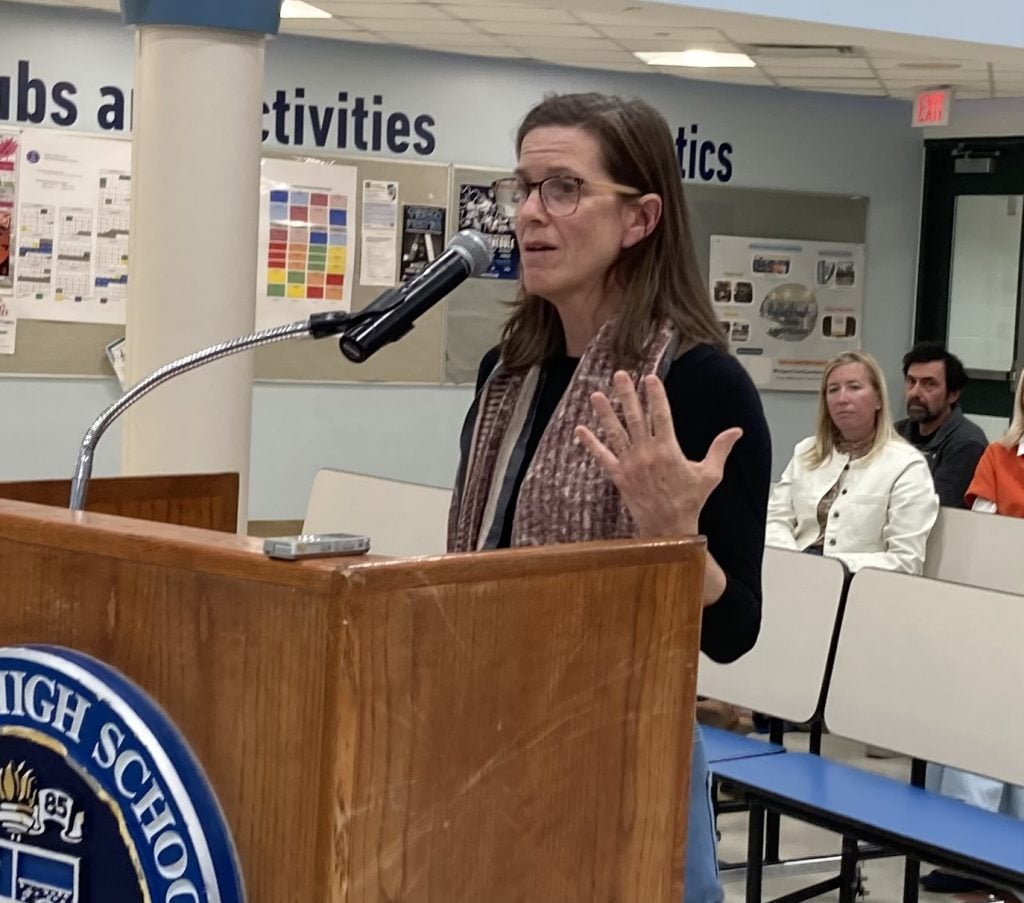
Cooperative Education Services, the firm used in the past, is also a provider of special education services and its governing board is made up of BOE reps from around the region, including Westport. Some see that as a conflict of interest.
Leslie Derkash, another parent, said while parents unhappy with services often have legal recourse, it should not come to that.
“We should not get to the point where we all have to lawyer up,” Derkash said.
Rosa Balestrino, a parent of a student who received special education services until she moved him into a private school two years ago, told the board that in her case there was a breakdown of communication with the district.
“I moved him to a private school where individualized instruction is a reality, not just a line on a form,” Balestrino said.
She reports her son is thriving in his new school.
“He knows he can learn, and is smart,” she told the board. “This change has been life altering to him. I have my son back.”
Balestrino said outplacement would not have been necessary if the district provided her son with what he needed.
“Instead they became aggressive towards me for advocating,” Balestrino said.
To her any review would be incomplete if there is not an oversight committee that includes parents and a file-by-file audit to verify that services taxpayers are paying for are being delivered to students.
Isabella Purcell, an elementary school teacher in another town, echoed similar concerns about her younger brother who she said had a learning disability that she said went undiagnosed for years until her mom sought help outside the district.
While the district told the family her brother was doing wonderfully, his work suggested otherwise.
“No student should have to struggle for years before something is done,” Purcell said.
“Early identification and meaningful support are not optional.”

Linda Conner Lambeck
Linda Conner Lambeck covers education for Westport Journal. She was a reporter for more than four decades at the Connecticut Post and other Hearst publications. She has covered education throughout Fairfield and New Haven counties. She is a proud member of the Education Writers Association.












My full statement to the Board of Education is available on Dan Woog’s blog 06880. A breakdown in communication is a diplomatic description of the actual events that took place. I was flatly told I never reported certain serious incidents, including bullying, involving my child. I forwarded the district an email and a written bullying report as proof. The focus should be on analyzing why some children are brought to the breaking point and what preventive measures can be taken.
A meaningful, independent review should look closely at:
– Whether students are receiving the services they are legally entitled to on time
– Student safety and staff training
– Whether programs truly meet each child’s needs—not just on paper, but in practice
– Whether students who need extra help are identified early, rather than delayed
– Whether reading support (e.g. for dyslexia) is being taught using proven methods by properly trained and certified teachers
– Whether students are being supported in the most appropriate setting, with the right level of inclusion
This is not about criticism. It’s about clarity, accountability, and making sure every student has the chance to succeed.
And while a comprehensive review requires investment, getting this right early can reduce long-term costs, avoid unnecessary conflict, and help more students thrive within our schools.
Every student deserves to be safe, supported, understood, and able to thrive. Positive experiences for some do not negate the experiences of others.
Every student matters. Every experience matters.
Connect with other families on this special education review. Share your opinion and get caught up on the community conversation that took place on May 20 at https://c.org/WfTF6PjhCR