
Sponsored by Nuvance Health
By Alberto J. Gavilanes Aguirre, MD, Nuvance Health
As we come together to celebrate Earth Day, keep in mind that nurturing our planet is as essential as caring for ourselves. Here in beautiful Westport, we’re surrounded by beautiful beaches and a vibrant community. To preserve the charm and vitality of our town, there are simple yet impactful tips we can follow to foster a healthier lifestyle for ourselves and our environment.
Make healthy food choices
A healthy diet not only supports our well-being but it also contributes to a healthy environment. Here are some tips to help you eat well:
Choose organic and locally grown food: Opting for organic produce is good for our bodies because it is grown without pesticides, fertilizers and GMOs. By going organic, you reduce your exposure to harmful chemicals while supporting sustainable agriculture.
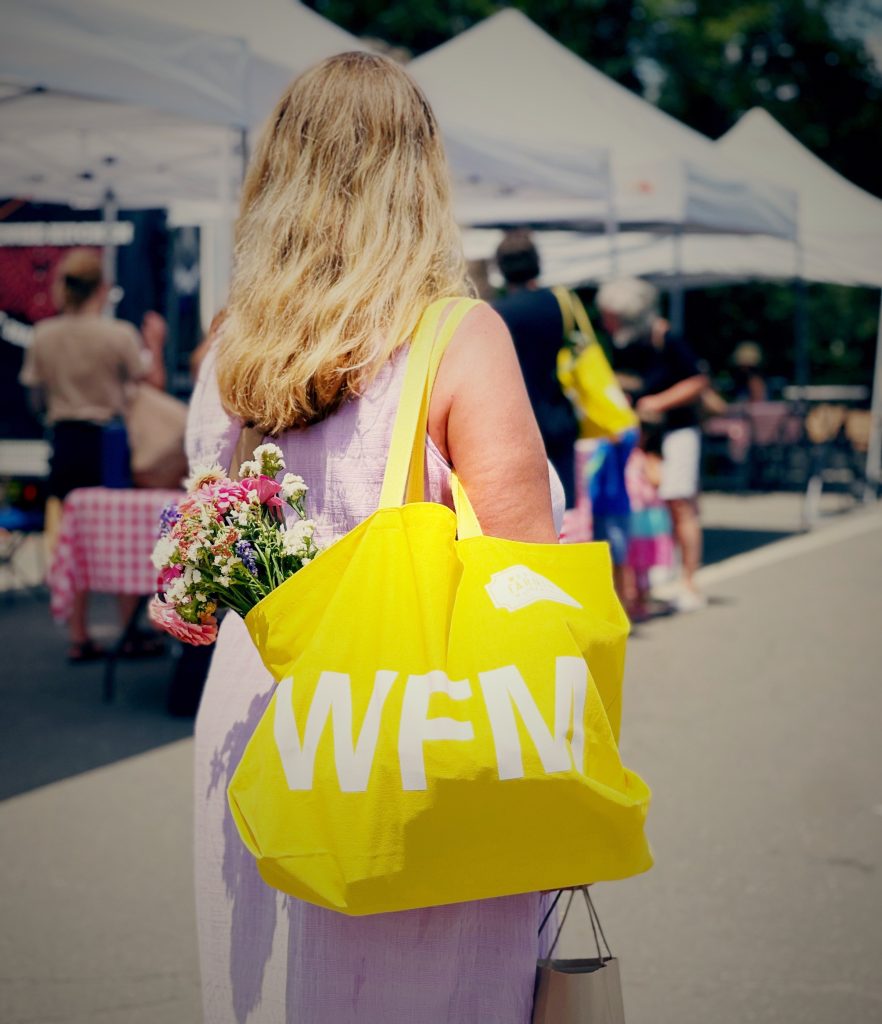
“One of the most important things for individuals to consider is with every dollar you spend, you have the opportunity to directly impact the environment,” says Lori Cochran, Executive Director of the Westport Farmers’ Market. “When you purchase organic food and locally grown food, your dollars promote a healthier planet. Organic and locally grown food are guaranteed to have fewer or no pesticides and herbicides while traveling less to find their way into your kitchen. You can find a wide array of organic and locally grown offerings every Thursday at the Westport Farmers’ Market.”
Eat more plant-based meals: Embracing a plant-based diet offers numerous health benefits and contributes to a more sustainable food system. They can lower the risk of heart disease, obesity and type 2 diabetes, just to name a few. Try adding more fruits, vegetables, whole grains, legumes, nuts and seeds to your meals.

Learn more about nutrition counseling at Nuvance Health.
Make sustainable food choices: Consider the environmental impact of your food choices, including packaging, food waste and production methods. We can make changes to our diet that are beneficial for both us and the environment. When grocery shopping, bring a reusable bag for your fresh fruit and vegetables and plan your meals ahead of time to minimize waste.
Did you know nearly 1 in 4 bags of groceries purchased gets thrown out? If you have fresh meat, fruits and vegetables that are about to go bad, stick them in the freezer so they last longer. Join Westport’s Zero Food Waste Challenge to support your community and reduce Westport’s residential food waste.
Consider sustainable transportation
Transportation plays a vital role in our daily lives, but it also has a significant impact on our environment. Exploring alternative modes of transportation can help reduce our carbon footprint while promoting personal and environmental well-being. Here are some eco-friendly options to consider:
Walk or bike for shorter distances: Take advantage of Westport’s sidewalks and scenic bike paths by walking or biking for shorter trips. Not only does this reduce air pollution and traffic congestion, but it also offers numerous health benefits, including improved cardiovascular health, mental health, bone health, muscle strength and weight management. Adults are recommended to get 150 minutes of moderate exercise each week, which is a little over 20 minutes a day. Plus, walking makes it easier to soak up the beauty of Westport on a sunny day!
Learn more about Primary Care at Nuvance Health.
Carpool with friends: Planning a picnic at Compo Beach with your friends? Consider carpooling! By driving together, you not only reduce the number of vehicles on the road but also decrease traffic congestion, emissions and fuel consumption. Plus, you’ll save money on gas while enjoying the company of your friends!
These sustainable transportation options not only benefit our environment but also improve physical fitness, reduce stress and enhance our mental health.
Reduce, reuse, recycle
Reducing waste isn’t just about helping the environment — it’s also about promoting a healthier lifestyle for ourselves and our community. Here are some simple steps we can take to reduce waste:
Reduce single-use items: Single-use items like plastic bags, disposable utensils and water bottles contribute to pollution in our landfills and oceans. Opt for reusable alternatives whenever possible, such as reusable shopping bags, stainless steel utensils and reusable water bottles. Sustainable Westport led the Refill Not Landfill program, showing Westporters the benefits of bringing your own reusable coffee mug to take-out shops. As a result of the program, most Westport take-out shops will gladly fill your clean, reusable coffee cup.
Reuse, recycle and upcycle: Extending the lifespan of items through reuse, recycling and upcycling helps conserve resources, reduce pollution, and minimize waste. Here are a few ways we can practice sustainability:
- Glass jars are perfect for storing leftovers or homemade products like pickles or sauces.
- Clothing that no longer fits can be donated or upcycled. If you have several T-shirts you can’t part with, turn them into a blanket!
- Towels and blankets can be upcycled into cleaning rags or donated to Westport Animal Shelter Advocates.
Minimize plastic waste: Plastics pose a significant threat to our environment, releasing harmful chemicals into the environment and taking hundreds of years to decompose. To minimize plastic waste, choose products with minimal or no plastic packaging, use reusable containers and avoid single-use straws and cutlery. Consider eco-friendly alternatives like bamboo or stainless steel, which are both sustainable choices for reducing plastic waste.
When going out to restaurants or ordering takeout, make sure you tell the staff to #skipthestuff if you don’t need the single-use accessories like utensils, straws, napkins or condiment packets they normally hand out.
Create a greener home
Making your home environmentally friendly isn’t just good for the planet — it’s beneficial for your health and well-being! Here are some tips to help you create a greener home:
Use natural cleaners and reduce chemical usage: Traditional cleaning products often contain harmful chemicals. Switch to non-toxic, bleach-free cleaners or create your own using ingredients like white vinegar, baking soda, water and dish soap. These natural cleaners not only improve indoor air quality but they also reduce allergies and respiratory issues which in turn creates a healthier living environment for you and your family!
Conserve water and electricity: Consider fixing your leaky kitchen faucet, installing low-flow showerheads and turning off lights when not in use. These small fixes can make a big difference. Energy-efficient appliances can also ensure a decrease in energy consumption and even lower your electric bill!
Grow your own food: Growing your own food offers numerous benefits beyond just providing fresh produce. Not only do you gain a deeper appreciation for the food you eat, but gardening has also been shown to reduce stress.
In Westport’s USDA plant hardiness zone 7a, you can grow a variety of vegetables that thrive in our climate. Consider planting your favorite vegetables and herbs in your garden, following guidance from resources like CT Public.
“Growing your own food is an effective way of providing fresh fruits, vegetables and herbs for you, your family and friends,” Louis Weinberg, Chairman of Westport Community Gardens, tells us. “The benefits include improved nutrition, pesticide- and herbicide-free food, and engaging in an intergenerational recreational activity while doing so! It’s fun for the whole family, and especially great exercise for those in their older years. Additionally, gardening is great for our pollinators!”
The bottom line: By following these practices, you can make healthy food choices, explore sustainable transportation options, reduce waste and create a greener home that benefits both your health and the health of the Earth. Start making small changes today for a more sustainable future. It’s all about learning how to help the Earth and yourself to ensure a healthy Westport for us all.
Dr. Gavilanes is an internist and geriatrician, board-certified by the American Board of Internal Medicine. He provides primary care medicine, with a focus on geriatric medicine. By providing compassionate and diligent care, he is dedicated to his goal of keeping his patients healthy and independent. Dr. Gavilanes completed his Internal medicine residency at Seton Hall-Hackensack Meridian School of Medicine at Trinitas Regional Medical Center and then continued to complete his fellowship in Geriatric Medicine at Montefiore Medical Center in the Bronx.
Originally from Ecuador, Dr. Gavilanes is fluent in English and Spanish. During his free time, he enjoys traveling abroad and spending time with his family. Learn more about Dr. Gavilanes.
Note: Nuvance Health has sponsored this content for Westport Journal. Nuvance Health is a system of nonprofit hospitals, medical practices and outpatient healthcare services throughout the Hudson Valley and western Connecticut, including nearby Norwalk Hospital. Visit nuvancehealth.org for more information.
Sources:
- https://www.cdc.gov/physicalactivity/basics/adults/index.htm
- https://www.csun.edu/eisner-education/self-care/news/self-care-save-earth-and-save-yourself
- https://www.ctpublic.org/news/2023-06-14/thinking-about-gardening-in-ct-here-are-some-tips-for-beginners-and-green-thumb-wannabes
- https://www.downtoearth.org/articles/earth-day/678/healthy-living-healthy-planet
- https://response.restoration.noaa.gov/about/media/8-ways-keep-earth-clean.html
- https://www.wwf.org.uk/betterbasket
- https://www.ncbi.nlm.nih.gov/pmc/articles/PMC6334070/
- https://www.onlyorganic.org/15-reasons-to-eat-organic/
- https://portal.ct.gov/deep/reduce-reuse-recycle/waste-reduction/food-waste—reduction-and-recovery
- https://planthardiness.ars.usda.gov/
- https://www.westportcommunitygardens.org/
- https://www.westportfarmersmarket.com/
- https://www.sustainablewestport.org/our-programs/zero-food-waste-challenge/
- https://www.sustainablewestport.org/our-programs/skipthestuff/













Here are two more ways to celebrate The Earth:
— Support your local community garden.
— Save as much green space and as many trees as you can.