
Sponsored by Norwalk Hospital, part of Northwell Health.
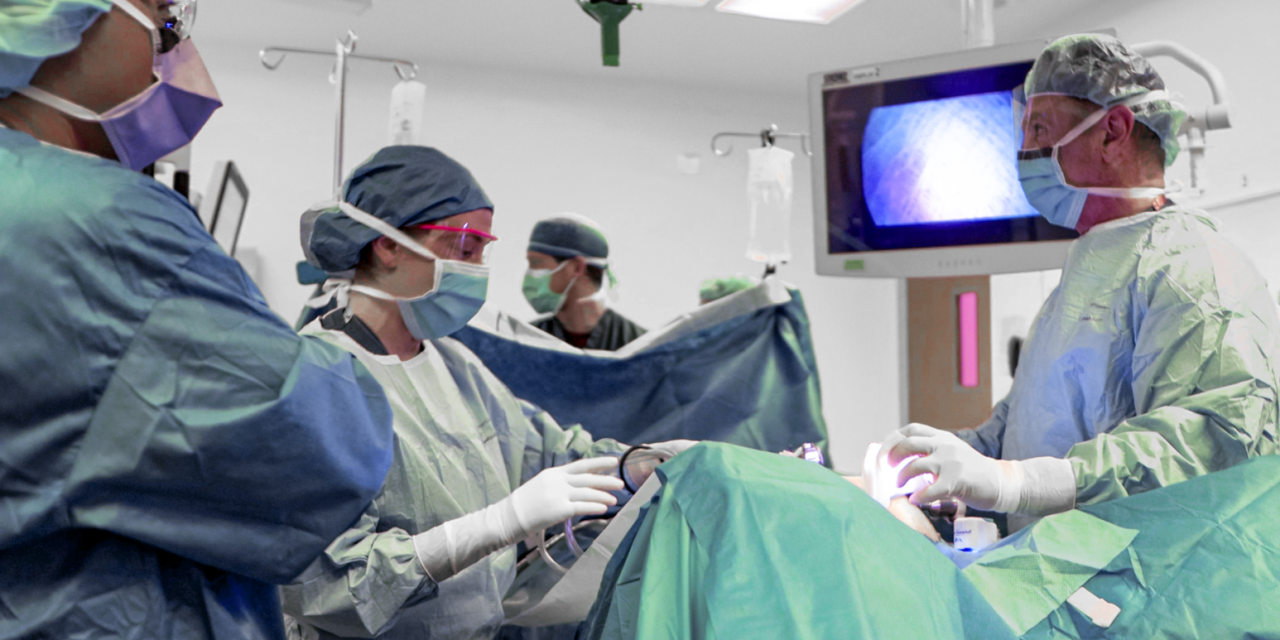
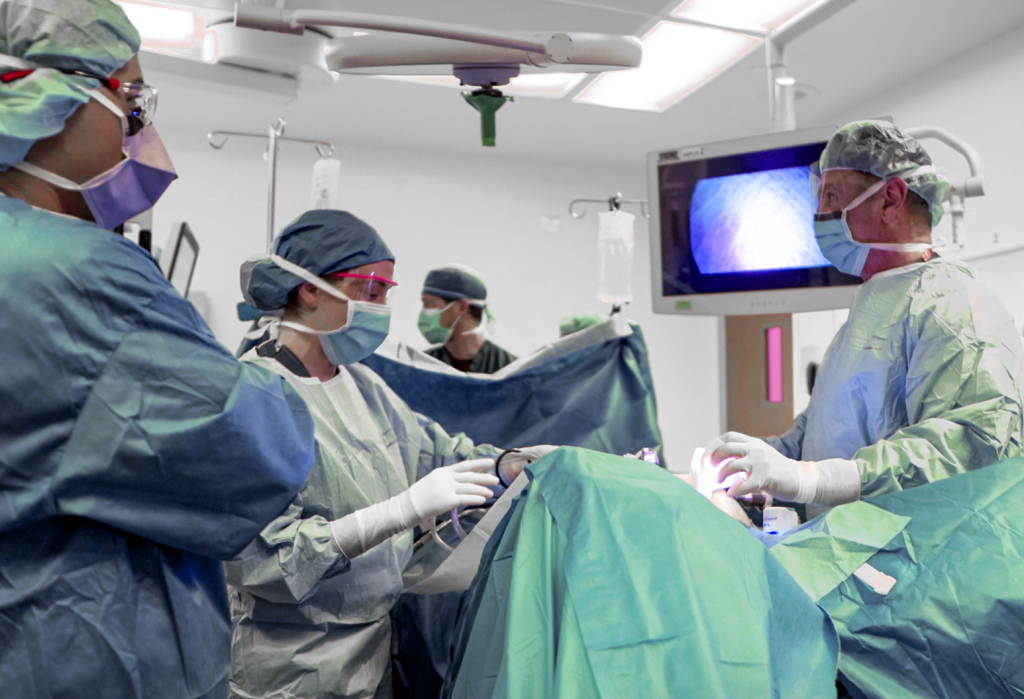
WESTPORT–Westport-area women now have access to a new ovarian cancer risk-reduction option at Northwell Health’s Norwalk Hospital. The program offers opportunistic salpingectomy — removal of the fallopian tubes during certain planned abdominal or pelvic surgeries. Opportunistic salpingectomy is for eligible women who are at average risk for ovarian cancer and are done having children.
The option may be considered when you are already scheduled for procedures such as gallbladder or hernia surgery, giving you a chance to discuss cancer prevention as part of care you are already receiving.
Why the fallopian tubes matter in ovarian cancer prevention
Research increasingly shows the most common ovarian cancers begin in the fallopian tubes rather than the ovaries. Because ovarian cancer is difficult to detect early, removing the fallopian tubes during another planned surgery can help lower future risk.
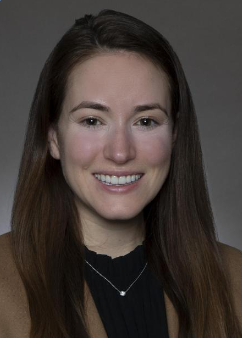
“If opportunistic salpingectomy were routinely performed during most laparoscopic gallbladder and hernia surgeries in the United States, it could prevent thousands of ovarian cancer cases and deaths each year,” says Leslie Andriani, MD, gynecologic surgical oncologist at Norwalk Hospital and leader of the Northwell Opportunistic Salpingectomy Task Force.
Dr. Andriani continues, “This is a significant way to reduce risk before ovarian cancer develops. By increasing awareness among patients and healthcare providers, we can help women make informed decisions and incorporate ovarian cancer prevention into surgical care they are already having. I’m excited to help bring this important initiative to women in our community.”
Why ovarian cancer is often found late
The American Cancer Society estimates about 21,010 women in the United States will be diagnosed with ovarian cancer in 2026, and about 12,450 will die from the disease. Symptoms can be vague and easy to miss, including bloating, abdominal or pelvic pain, feeling full quickly while eating and needing to urinate more frequently or urgently.
“Ovarian cancer is the deadliest gynecologic malignancy and one of the leading causes of cancer deaths among women. Unlike breast cancer or cervical cancer, there is no reliable screening for early detection of ovarian cancer,” says David Doo, MD, medical director of gynecologic oncology at Norwalk Hospital. “Now, we have a clinically proven way to greatly lower ovarian cancer risk, and I’m excited that we can help women right here at Norwalk Hospital.”
What happens during fallopian tube removal
During a salpingectomy, a gynecologic surgeon removes the fallopian tubes while leaving the ovaries and uterus in place. For premenopausal women, the ovaries continue producing hormones, helping avoid the immediate effects of surgical menopause.
“This program represents exactly the kind of forward-thinking care we provide at Norwalk Hospital,” says Philip Corvo, MD, chair of surgical services at Norwalk Hospital. “By offering opportunistic salpingectomy, we are giving surgeons an evidence-based strategy to help reduce ovarian cancer risk. It is a significant advancement for patients, families and our entire community.”
Questions to ask about opportunistic salpingectomy before surgery
The Norwalk Hospital program brings together primary care providers, gynecologists, gynecologic surgical oncologists and general surgeons. Doctors encourage patients planning abdominal or pelvic surgery to ask whether fallopian tube removal may be appropriate for them.
“We encourage primary care providers and gynecologists to introduce opportunistic salpingectomy to their patients during routine annual visits,” Dr. Andriani says. “Raising awareness before a patient needs an abdominal or pelvic operation gives them the opportunity to ask about ovarian cancer risk reduction when they have future surgery. I also hope patients feel empowered to ask their primary care providers, gynecologists and surgeons about opportunistic salpingectomy.”
“Surgeons, ask your patients if they are interested in opportunistic salpingectomy during their preoperative appointments for abdominal and pelvic surgeries,” Dr. Corvo says. “The procedure can be performed through the same incisions as the planned operation and without much of an increase in pain or recovery time. It’s a simple step that can meaningfully reduce a woman’s future risk of ovarian cancer.”
If you are interested in opportunistic salpingectomy, please speak with your primary care provider, gynecologist or surgeon.
Northwell Health Gynecologic Oncology at Norwalk can be reached at (203) 739-4900, and Northwell Health General Surgery at Norwalk can be reached at (203) 852-2406.
Northwell Health has sponsored this content for the Westport Journal. For more information, visit northwell.edu.







Recent Comments