
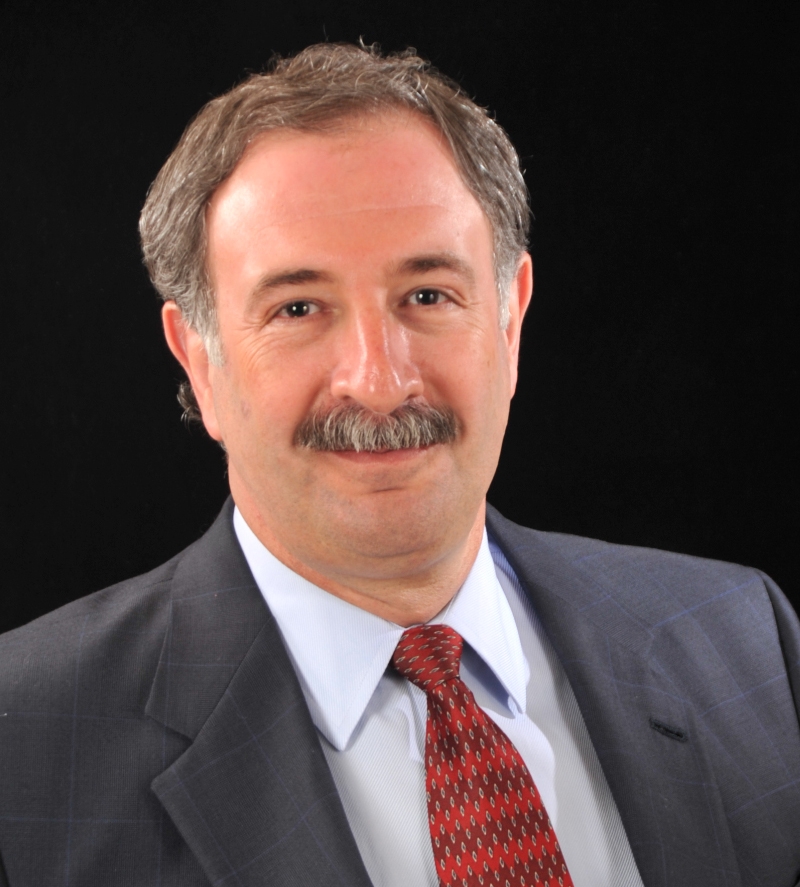
Candidates running in the Nov. 8 elections were asked by the Westport Journal to provide information for readers about their background and position on several major issues.
___________________________________
BACKGROUND: Now serving his sixth term as Westport’s State Representative in the 136th District, Steinberg Chairs the Public Health Committee and played a key role in the state’s pandemic response. As chair, he’s spearheaded over 100 bills into law, including ending the religious exemption for children’s vaccines and Tobacco 21, outlawing teen vaping. His leadership of House Democrat Moderates resulted in budgeting reforms responsible for the State’s current stable fiscal footing and full Rainy Day Fund.
Steinberg has also been a legislative champion on environmental, energy and transportation issues. Prior to the Legislature, Steinberg was elected four times to the Westport Representative Town Meeing; three times unanimously elected deputy moderator. Steinberg’s career spans more than 25 years in healthcare marketing, from Bristol-Myers and Revlon to Mount Sinai Hospital and the Jewish Lifecare System. He has lived in Westport for over 40 years (Staples ’74), earned a B.A. from Yale and an M.B.A. from the Stern School of Business at NYU. Jonathan and Nancy are proud of daughters: Rachel (Staples ’09), Margot (‘12), Charlotte (‘16). Steinberg is co-founder of the Westport Cinema Initiative, now the Remarkable Theater, dedicated to bringing a movie theater back to Westport and providing a career path for those with special needs.
AFFORDABLE HOUSING: What is the obligation of the communities you seek to represent to provide affordable housing? If you agree more needs to be done, what is the best way to accomplish that goal? Would repeal of the 8-30g law help or hinder those efforts?
I believe Westporters support diversity in our town. But I don’t think state government should be dictating where affordable housing belongs in our community!
Connecticut has an opportunity to address a real need for affordable housing. We need it to keep retirees in our State, to attract companies and their workforce and to attract the best educators, police and other town employees. That’s why 8-30g was created.
Unfortunately, it has become a sledgehammer approach enabling predatory developers to ignore sensible local zoning ordinances to build high-density, maximum coverage projects virtually anywhere.
The state now requires municipalities to develop an inclusionary zoning plan. Westport’s plan was recognized as the best among suburban communities. We’re a model for others.
And that’s the real point: Westport is doing an excellent job in promoting affordable housing in the right places. We’re in the midst of our first 8-30g moratorium and well on the way to our second.
As long as 8-30g exists, Westport will be prey to developers who favor profits over community. I support replacing 8-30g, currently being contemplated by a commission, which would establish reasonable targets for towns like ours. That’s what I’ll be fighting for in Hartford next session.
TAXES: The state has amassed record surpluses in the last few years. What are your priorities for state finances — cut taxes, fund new programs or pay down long-term debt?
When I came to the Legislature twelve years ago, our state was facing staggering deficits, caused primarily by burgeoning pension debt strangling our budget.
Then Governor Malloy announced huge tax increases while still negotiating with the state’s employee unions. I thought that was a strategic mistake and voted against the budget, a hard thing for a freshman legislator! I wanted my Leadership to know that I wouldn’t support budgets that weren’t sustainable.
Recent years have been much different, with a strong stock market and the infusion of federal pandemic funds. We invested in healthcare, payed down $6 billion in pension debt, and actually cut taxes! We cut taxes for retirees on fixed incomes, lowered the tax rate for unemployment insurance, and expanded tax credits for companies to grow jobs in the state.
Because of efforts by moderates like me, we’re now on a stable fiscal footing, with a full Rainy Day Fund, half a billion in annual savings from paying down pension debt, and spending and volatility caps which keep us from our worst spending impulses. That makes it more likely we can keep taxes down going forward. But we must remain disciplined; paying down pension debt is the priority.
TRAFFIC/TRANSPORTATION: Traffic on state highways through the region, as well as local roads, continues to grow more congested. At the same time, ridership levels on public transit alternatives, such as Metro-North Railroad and buses, have yet to recover from losses during the height of the COVID-19 pandemic. What do you suggest to help alleviate these problems, which have a negative impact on everyday life and the region’s prosperity?
I’ve been on the Transportation Committee for twelve years, and I’ve been a consistent advocate for addressing our state’s deteriorating transportation infrastructure.
As Westporters know, our ancient rails and bridges need to be replaced, and many of our roads seem like something out of a Third World country. If we’re to remain “the Gateway to New England” and stay competitive with surrounding states for business growth and quality of life, we need an integrated transportation system which guarantees anyone can get where they’re going quickly and seamlessly. The State’s new rail plan and mass transit integration strategy can get us there — IF we make the smart investments now. And we have to acknowledge that worsening traffic calls for better mass transit options and highway congestion pricing tolls.
That’s why I’ve stated that infrastructure investment — taking full advantage of federal infrastructure funding — is my biggest legislative priority.
Republicans have been hypocrites about protecting the Special Transportation Fund, the key to providing the matching funds to obtain the federal dollars. They’re not part of the solution.
As a senior member of the Committee, I pledge to work with the Administration to assure we optimize this once-in-a-generation opportunity to fix our transportation system.
PUBLIC HEALTH: In the aftermath of the COVID-19 pandemic, what measures might better prepare the state to mitigate the impact of a similar public health emergency in the future, particularly in critical areas such as education and employment?
As chair of the Public Health Committee, I worked closely and collaboratively with the Department of Public Health and the Administration to navigate through the challenges of the pandemic. No one had a roadmap for how to deal with all the unknowns, and we mourn the passing of over 11,000 Connecticut citizens, particularly so many seniors.
But our state rallied and ended up handling COVID better than virtually any other state in the nation. We got more citizens vaccinated and eventually developed a robust system for testing and distributing PPE. And I spearheaded legislation securing funds to upgrade schools’ HVAC systems, a key method to reduce virus spread. Yes, we had some hiccups, but I’m proud with the efforts we made to protect the public health. We told people the truth and explained why sacrifices had to be made.
Operating under emergency conditions was hard on so many people. We know we have to do better to help restaurants and small businesses deal with the dislocations of pandemic shutdowns. Keeping schools open must be a priority. And we still need a plan to coordinate at-home testing with a statewide reporting system, as well as stockpiling PPE and other essential resources.
ETC.: Are there any specific issues on which you particularly plan to focus if elected?
My priority for the coming session centers on leveraging federal funding to address our state’s long-term needs, particularly infrastructure investment. We’re experiencing a perfect storm of deteriorating infrastructure, from roads, rails and bridges to our electric grid, broadband capacity, water/wastewater treatment and housing. Connecticut’s ability to compete with surrounding states for job growth and quality of life depends on addressing our critical infrastructure needs. I want every federal dollar, every bonding dollar, to be directed to priority projects that will give us the greatest benefit.
I also am adamant about renewing the fiscal controls we put in place in 2017, responsible for our improved budget situation, reduced pension debt and robust Rainy Day Fund. Some of these restrictions on spending can expire in the coming years. We can’t backslide to the bad old days of failing to meet our annual fiscal obligations. I will champion maintaining these controls, particularly with a recession in the next year almost certain.
Lastly, I intend to redouble my efforts to listen to Westporters about their concerns and ideas they might have to make things better. We’re a community of innovators and action-takers. I want to tap that talent to bring new solutions to Hartford.










Recent Comments